

Need Help Growing Marjoram , Have Problems
18 years ago
Sort by:Oldest
Comments (4)
Related Stories
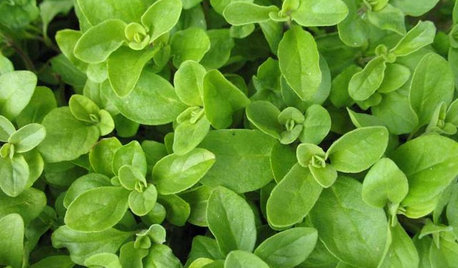
EDIBLE GARDENSHerb Garden Essentials: Grow Your Own Oregano and Marjoram
Say 'buon giorno' to classic Italian herbs you can grow just as easily in pots as in the summer garden
Full Story
BATHROOM DESIGNRoom of the Day: A Closet Helps a Master Bathroom Grow
Dividing a master bath between two rooms conquers morning congestion and lack of storage in a century-old Minneapolis home
Full Story
FARM YOUR YARDGrow a Kitchen Garden in 16 Square Feet
Got a sunny 4-by-4 space? You can make meals more interesting with your own vegetables and herbs
Full Story
FARM YOUR YARD10 Easy Edibles to Grow in Containers
These herbs, vegetables and fruits are just as happy in a pot as they are in the ground
Full Story
EDIBLE GARDENSGrow Herbs for Fresh Flavor and Good Looks in the Garden
With sun and a patch of ground, you can have all the fresh flavor you need for cooking right outside your door. Here's how to get started
Full Story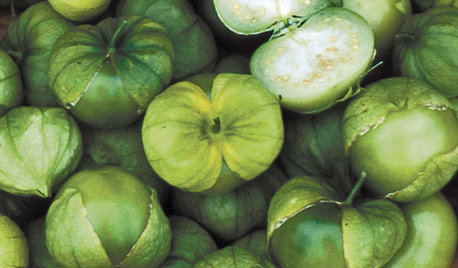
SUMMER FRUITS AND VEGETABLESSummer Crops: How to Grow Tomatillos
Grow this Mexican native for the freshest salsa verde — and for fewer problems than its tomato cousins
Full Story0
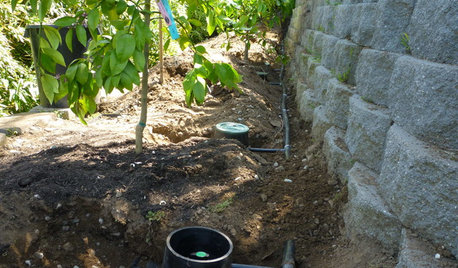
EARTH DAYGrow a Beautiful Garden With Ecofriendly Greywater
Reducing home water waste means lower bills and a healthier planet. Here's how to set up a greywater home irrigation system that can help
Full Story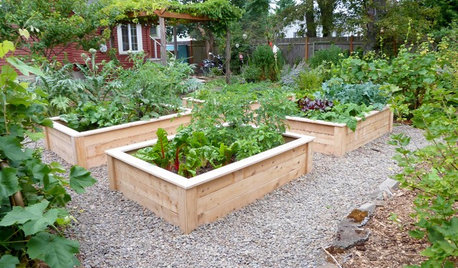
GARDENING GUIDES12 Tips to Help You Start an Edible Garden
Get on your way to growing your own vegetables with a raised bed or a few containers on the patio
Full Story
GARDENING GUIDESSolve 3 Common Landscape Problems — With More Plants
Sometimes the best defense is a good offense
Full Story
FEEL-GOOD HOMEBack Problems? Try Putting Your Feet Up
Consider these alternatives to that one-size-doesn’t-fit-all sofa to avoid slumping and spinal stress
Full Story
ksrogers
brenda_mdOriginal Author
Related Professionals
Newburyport Landscape Architects & Landscape Designers · Lancaster Landscape Architects & Landscape Designers · San Luis Obispo Landscape Architects & Landscape Designers · Montréal Landscape Architects & Landscape Designers · Belleville Landscape Contractors · Cambridge Landscape Contractors · Concord Landscape Contractors · Jackson Landscape Contractors · Saint Marys Landscape Contractors · Marinette Landscape Contractors · Mount Vernon Architects & Building Designers · Owensboro Architects & Building Designers · McComb Architects & Building Designers · Columbia Architects & Building Designers · Rochester Architects & Building Designersksrogers
brenda_mdOriginal Author