

Letting stavia flower?
19 years ago
Sort by:Oldest
Comments (3)
Related Stories
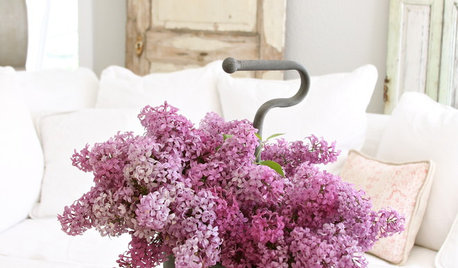
GARDENING GUIDESLet Lilac Love Flower This Spring
Whatever you bestow or receive for Mother's Day, lilacs can be an unmatched gift in the garden in May
Full Story
MOST POPULARHouzz TV: Let’s Go Island Hopping
Sit back and enjoy a little design daydreaming: 89 kitchen islands, with at least one for every style
Full Story
DECORATING GUIDESBudget Decorator: Let’s Go Thrifting
Dip into the treasure trove of secondhand pieces for decor that shows your resourcefulness as much as your personality
Full Story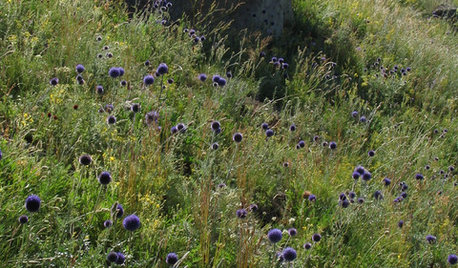
GRASSESLet Nature Inspire Your Landscape: Grasslands to Garden
Don't struggle with trying to artfully match flowers and grasses for a garden design — just look to the source
Full Story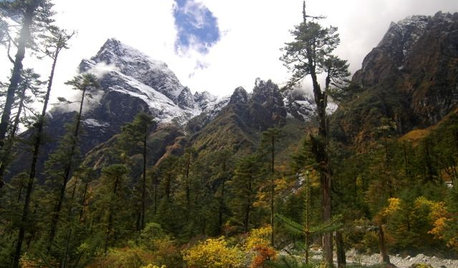
LANDSCAPE DESIGNLet Nature Inspire Your Landscape: Mighty Mountain Gardens
Bring an alpine vista to your yard by tucking resilient plants and flowers into rocky garden nooks
Full Story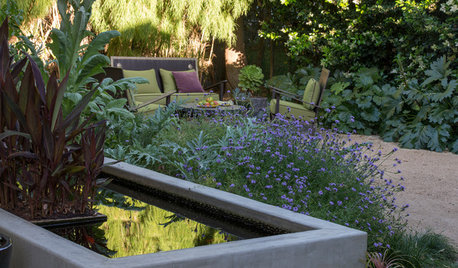
SAVING WATERHouzz Call: Are You Letting Go of Your Lawn?
Many facing a drought are swapping turf for less thirsty plantings. If you’re one of them, we’d like to hear about it
Full Story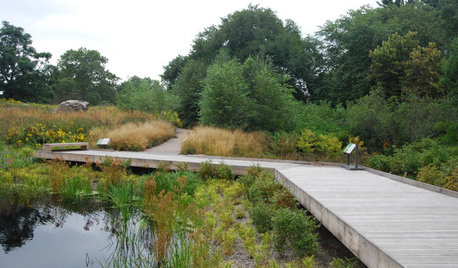
GARDENING GUIDESLet's Weed Out 4 Native Plant Myths
Plant wisely for a garden that supports pollinators and requires less work
Full Story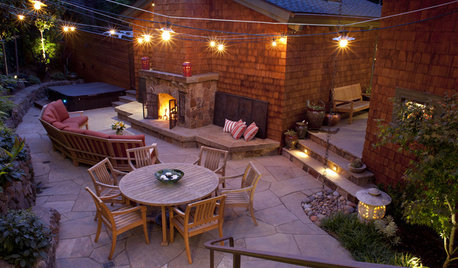
GARDENING AND LANDSCAPINGCozy Outdoor Rooms Let You Snuggle Up to Fall
Drape a throw and let the firelight glow. These ideas for your outdoor room will make fast friends of you and autumn
Full Story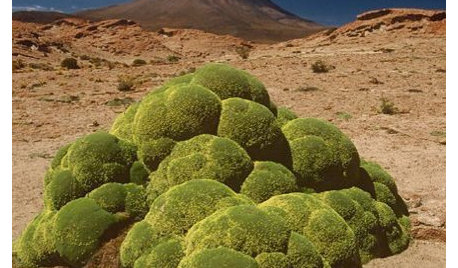
LANDSCAPE DESIGNLet Nature Inspire Your Landscape: Devise a Desert Garden
Looking for the ultimate low-maintenance plant picks? Nature is way ahead of you
Full Story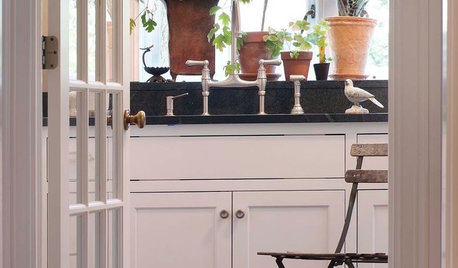
HEALTHY HOMEDecorate With Intention: Let Your House Help You De-Stress
Break free of automatic TV time and learn how to really unwind and recharge with these easy ideas that don't cost a dime
Full Story
Daisyduckworth
batyabethOriginal Author
Related Professionals
Wilmington Landscape Architects & Landscape Designers · Rocky Mount Landscape Architects & Landscape Designers · Huntington Landscape Architects & Landscape Designers · Fargo Landscape Architects & Landscape Designers · Mesquite Landscape Architects & Landscape Designers · Clarksburg Landscape Contractors · Amherst Landscape Contractors · San Luis Obispo Landscape Contractors · Logan Landscape Contractors · Hot Springs Architects & Building Designers · Clarksburg Architects & Building Designers · South Sioux City Architects & Building Designers · Hempstead Architects & Building Designers · Youngstown Architects & Building Designers · Portland Architects & Building DesignersDaisyduckworth