Software
Houzz Logo Print
lavender_lass

Favorite herbs for tea

17 years ago

I'd like to know your top 10 favorite herbs for teas. I am planning an herb garden, with limited space, but would like a nice selection.

Can you also let me know which ones are okay for children? I don't have kids, but my nieces and nephews like to help in the garden. I'd like to know which teas they can have. (For example, I've heard spearmint is a better choice for children than peppermint).

Comments (8)

  • 17 years ago

    You can make a tea from just about any edible herb, and, depending on the plant, you can use the leaves, flowers, bark, seeds, or roots of a plant to make it (you need to learn which parts of which plants are used).

    What you need to keep in mind is that ALL herbal teas are medicines - yes, even the common black or green tea or coffee. As a rough rule of thumb, one cup of herbal tea provides a daily dose for an adult. One teaspoon is a daily dose for a child under 12.

    While there are certain herbal teas which are considered safe for children, it's best not to give them ANY, except under expert, professional, supervision. Children's bodies are immature, and they react to substances in very different ways from adults.

    This is why herbal teas/medications are not generally recommended for pregnant women - they can have adverse effects on the developing foetus - or cause abortion (or at the least uterine contractions).

    I suggest for your garden, you think first about the ailments you want to treat yourself for. If you suffer headaches, you might choose feverfew, or thyme, or lavender. If you suffer frequent bouts of cystitis, you might choose agrimony, or nasturtium. For occasional bouts of indigestion, peppermint (or any mint) will do the job, but if you overdo the mint, it can have exactly the opposite effect.

    I strongly recommend that you do some homework before you start using herbal teas of ANY kind. Search the WWW for something like 'herbal treatment headache' and repeat for other ailments. Make sure to take note of any contraindications (such as diabetes, pregnancy, heart problems, blood pressure problems etc) and unwanted side effects.

    For instance, lemon balm (an apparently innocuous little herb!) makes quite a nice-tasting tea. However, it is contraindicated for use by people with thyroid dysfunction, and it can cause night-sweats (a real problem for menopausal women). It can also sensitise a person to other allergens.

    Another herb commonly thought to be harmless, and given to children as a sedative is chamomile. However:

    Sufferers of allergies to daisies, ragweed, asters or chrysanthemums should avoid using chamomile. Allergic reactions include difficulty with breathing, throat constriction, swelling of lips, tongue or face, or hives. In cases of fragile pregnancy, chamomile should be avoided as it will promote a delayed menses. May cause stomach upsets, including vomiting, in some people. Do not use chamomile if taking blood-thinning or other sedative medications.

    Are you beginning to see what I'm saying here? When there is a benefit (an upside), there is almost always a disadvantage (a downside) when it comes to herbs. Just be aware!

    You really need to do your homework on this one. Grow the herbs of your choice, and use them in your cooking, but be aware that in medicinal doses (like tea) you should regard them with the same cautions as you would a cabinet full of pills.

  • 17 years ago

    Chamomile
    Catnip
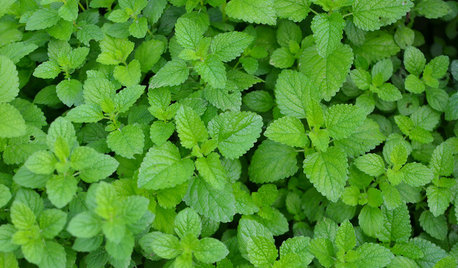
    Lemon Balm
    Chocolate Mint
    Anise Hyssop
    Lemon Verbena
    Fennel Seed
    Rose
    Spearmint
    Red clover

  • 17 years ago

    Anything with a lemon flavor is nice for tea, lemon balm being probably the easiest to grow in your zone.

    Dried fruits added to the tea mixture are nice for kids. Everything from rosehips to blueberries to apples to the dried fruit of your choice can be used. If you add some fruiting plants to your garden like strawberries or blueberries or raspberries, the kids will love the munchables while these plants are herbs in their own rights.

    The mints are nice and hardy for your zone. Catnip, peppermint, spearmint, flavored mints.

    Sweeten the tea for more kid appeal. Honey is a wonderful tea sweetener.

    FataMorgana

  • 17 years ago

    I was thinking of growing lemon balm, because lemon verbena won't work with our winters, unless it's an annual. Adding dried fruit is a wonderful idea. I have a few blueberry bushes and hope to add more. Apples and raspberries are good too. I have one apple tree and hope to get two more this fall. Has anyone tried purple raspberries?

    Chocolate mint would be fun for the kids and rose tea sounds very nice. I have heard that while chamomile is usually considered a safe herb, it can be a problem is someone is allergic to ragweed.

    I wasn't planning to make herbal remedies or anything else without a lot more study first. I realize some people may read a book and go out and start self-medicating, but believe me, that would not be me. I also always ask parents if kids have allergies to any food before giving them a snack...same thing would go for tea.

    Someone recommended adding a few mint leaves to regular iced tea. That could be a fun alternative.

  • 17 years ago

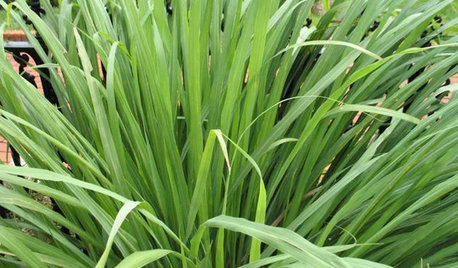
    LEMON GRASS, EXCELLENT BY ITSELF OR TO FLAVOR OTHER TEAs.

  • 17 years ago

    My favorite is lemon balm. It grows so easily too. Being that it is related to mint, it almost takes over your garden if you aren't careful.

    Also, I love thyme so I like to make tea with that too. I grow English thyme but I would think lemon thyme would be better for tea.

  • 17 years ago

    For me...

    Chamomile
    Lemon Verbena
    Anise
    Valerian (A tea for insomnia, I put this because it's a huge help and one of my favorite herbs because of it)
    Hibiscus (lovely, cranberry tasting flower)
    Rose Hips
    Peppermint
    Lemon Grass
    Jasmine
    Lavender

  • 17 years ago

    Thank you all for your responses. It seems the most popular are mints, chamomile, rose hips and anything lemon :)

    I would love to grow jasmine, but which jasmine do you use for tea? All we have here is star jasmine, which I'm guessing is not the right one. I doubt jasmine will grow in zone 4, but will it grow in a greenhouse? That's my Mom's favorite tea!