

What is this?
12 years ago

Sort by:Oldest
Comments (7)
Related Stories
LIFEData Watch: What’s Great, and What’s Not, About a Smaller Home
Houzz asked more than 200 U.S. homeowners about life in 1,000 square feet or less. Here’s what they said
Full Story
KITCHEN DESIGNBar Stools: What Style, What Finish, What Size?
How to Choose the Right Seating For Your Kitchen Island or Counter
Full Story
MOVINGHouzz Call: What’s Your Best Downsizing Tip?
Deciding what to say goodbye to can be hard, which is why we want to hear your hard-won wisdom. Please share your advice
Full Story
KITCHEN COUNTERTOPSWhat’s the Difference Between Quartzite and Quartz Countertops?
Weigh the pros and cons of these popular kitchen countertop materials
Full Story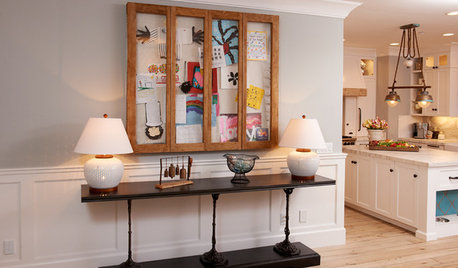
DECORATING GUIDESEdit Keepsakes With Confidence — What to Let Go and What to Keep
If mementos are weighing you down more than bringing you joy, here's how to lighten your load with no regrets
Full Story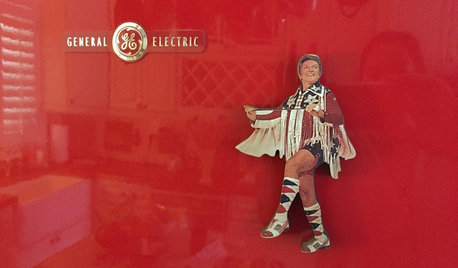
FUN HOUZZHouzz Call: What’s on Your Refrigerator?
Magnets, menus, children’s art, coupons, perfect-attendance certificates, song lyrics — what is fridge-worthy in your house?
Full Story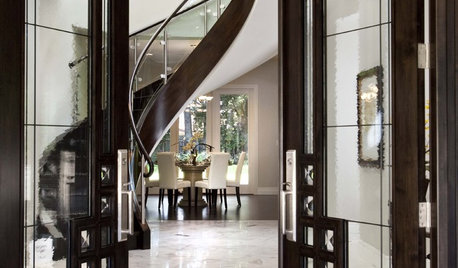
ROOTS OF STYLEArt Deco, Art Nouveau, Arts and Crafts: What’s the Difference?
If the zigzag and swirly designs of the past leave your head spinning, these descriptions will straighten you right out
Full Story
REMODELING GUIDESOriginal Home Details: What to Keep, What to Cast Off
Renovate an older home without regrets with this insight on the details worth preserving
Full Story
KITCHEN DESIGNWorking the Room: What’s Popular in Kitchens Now
We break down 9 kitchen design ideas that are making people happy — and show how to make them work for you
Full Story
MOST POPULARWhat’s Your Neutral: Beige or Gray?
A designer shares 10 tips for using the neutral shade that works best for you
Full Story

hexus
tbird355Original Author
Related Professionals
Florence General Contractors · Lexington General Contractors · Aiken General Contractors · Bloomington General Contractors · Fort Wayne General Contractors · Springfield Home Remodeling · Florence Home Remodeling · Concord Home Remodeling · Philadelphia Home Remodeling · Escanaba Home Remodeling · Muskegon Home Remodeling · Show Low Home Remodeling · Odessa Home Remodeling · Hays Bathroom Remodelers · Edmonton Bathroom Remodelerstbird355Original Author
joefixit2
bus_driver
tbird355Original Author
tbird355Original Author