

low voltage lights over the pool
18 years ago
Sort by:Oldest
Comments (5)
Related Stories
WINDOW TREATMENTSHow Low Should Your Drapes Go?
Hover, brush the floor or pool like Scarlett O'Hara's tears — we give you the lowdown on curtain length options
Full Story
SELLING YOUR HOUSE10 Low-Cost Tweaks to Help Your Home Sell
Put these inexpensive but invaluable fixes on your to-do list before you put your home on the market
Full Story
MATERIALSMaterials Workshop: Polycarbonate — a Low-Cost Alternative to Glass
Looking for something lighter, stronger and less expensive than glass? Multiwall polycarbonate may be a good option
Full Story
KITCHEN COUNTERTOPS7 Low-Maintenance Countertops for Your Dream Kitchen
Fingerprints, stains, resealing requirements ... who needs ’em? These countertop materials look great with little effort
Full Story
ACCESSORIES8 Low-Cost Luxuries With a Big Payoff
Consider the small stuff — like switch plates and throw pillows — to give your home a touch of class
Full Story
WINDOW TREATMENTSEasy Green: 9 Low-Cost Ways to Insulate Windows and Doors
Block drafts to boost both warmth and energy savings with these inexpensive but effective insulating strategies
Full Story
ARCHITECTURETime-Tested, Low-Tech Ways to Cool a Home
People have been beating the heat around the world for centuries without plugging anything in. Could these ideas work for your home today?
Full Story
MODERN HOMESHouzz Tour: Stylish Farmhouse Addition Keeps a Low Profile
This country home’s redesign is all about living quietly and comfortably and taking in the views
Full Story
CONTEMPORARY HOMESHouzz Tour: A Stunning Low-Energy Home in the Cotswolds
Tucked into a hill next to a once-derelict barn, this new home follows a Passivhaus approach with contemporary flair
Full Story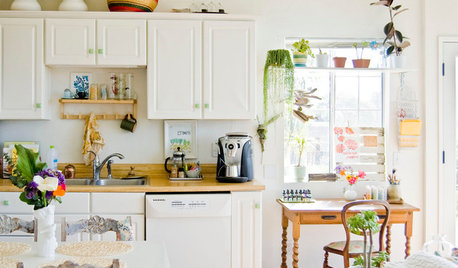
KITCHEN CABINETSColorful Ways to Make Over Your Kitchen Cabinetry
Try these inspiring color updates to spice up your kitchen a little — or a lot
Full Story
joefixit2
copeltOriginal Author
Related Professionals
Tyler General Contractors · Virginia Beach General Contractors · Cedar Rapids General Contractors · San Francisco General Contractors · Lansing Home Remodeling · Kennewick Home Remodeling · Sheridan Home Remodeling · Crestview Bathroom Remodelers · Quincy Bathroom Remodelers · Charleston Bathroom Remodelers · Youngstown Bathroom Remodelers · Allentown Bathroom Remodelers · Altoona Bathroom Remodelers · Westerly Bathroom Remodelers · Eau Claire Bathroom Remodelersjoefixit2
brickeyee
just-a-pb