

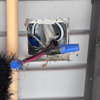
Lighting--a buzz and a click?
19 years ago
Sort by:Oldest
Comments (5)
Related Stories
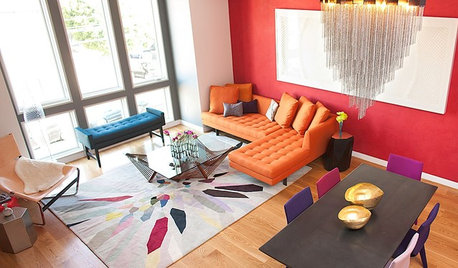
HOUZZ TOURSHouzz Tour: Visionary Thinking Clicks With a San Francisco Entrepreneur
An open mind and an unusual process help a successful software engineer get an interior design that suits and celebrates his life
Full Story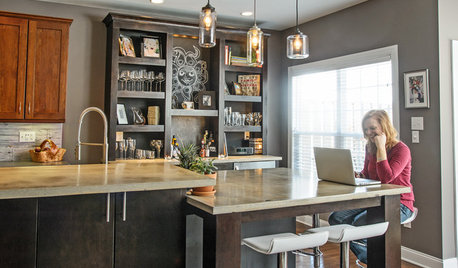
INSIDE HOUZZInside Houzz: The Right Kitchen Counters in Just a Few Clicks
Concrete kitchen countertops eluded this Pennsylvania homeowner until she turned to Houzz
Full Story
TASTEMAKERSICFF 2012 Report: Bespoke Global's Artisan Collective
Custom-crafted lighting and furniture are available with mere keyboard clicks from this group of high-end designers and artists
Full Story0
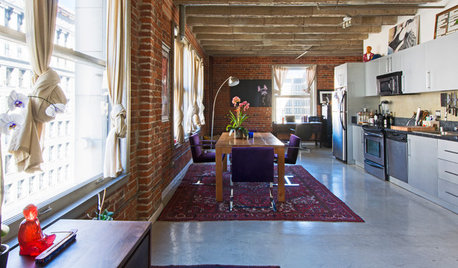
LOFTSHouzz TV: Love and Loft Life in Downtown L.A.
Skyscraper views, exposed brick and the buzz of city life create a rich environment for a creative couple and their French bulldog, Oliver
Full Story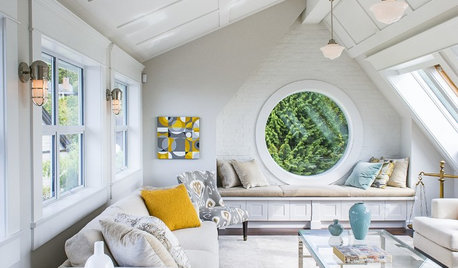
ADDITIONSRoom of the Day: A ‘Birdhouse’ Retreat for Relaxing
A private room off the master bedroom gives these homeowners a quiet space in a house that often buzzes with activity
Full Story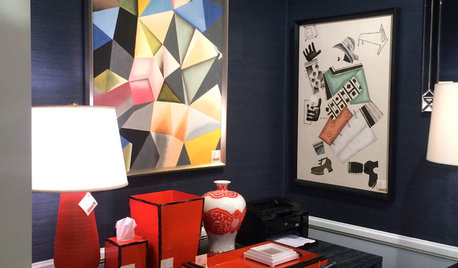
EVENTS5 Big Trends From This Week’s High Point Market
Learn the colors, textures and shapes that are creating a buzz in interior design at the market right now
Full Story
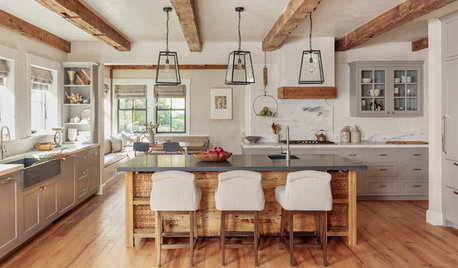
WORKING WITH PROSInside Houzz: What You Can Learn From a Houzz Photo
Get access to the designer's info, product names, other photos in the project and much more by clicking on a Houzz image
Full Story
DECORATING STYLES8 Ways to Tap Into English Gent Style
As crisp as the click of a walking stick, British gentleman's style can give any home a more dapper look
Full Story
LIGHTINGWhat to Know About Switching to LED Lightbulbs
If you’ve been thinking about changing over to LEDs but aren't sure how to do it and which to buy, this story is for you
Full Story
beacher003
reyesuelaOriginal Author
Related Professionals
Indianapolis General Contractors · Portsmouth General Contractors · Anniston General Contractors · Rockford General Contractors · Liberal General Contractors · Jacksonville Home Remodeling · Traverse City Home Remodeling · Jamestown Home Remodeling · Fresno Home Remodeling · Kalispell Home Remodeling · Rolla Bathroom Remodelers · Portsmouth Bathroom Remodelers · Corpus Christi Bathroom Remodelers · Napa Bathroom Remodelers · Toronto Bathroom Remodelersbeacher003
dim4fun
cobraguy