

Asparagus
11 years ago
Sort by:Oldest
Comments (5)
Related Stories
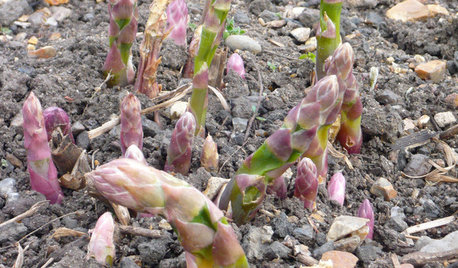
COOL-SEASON CROPSCool-Season Vegetables: How to Grow Asparagus
Patience pays off with this harbinger of spring that lasts for decades in the garden
Full Story
FOLIAGEGreat Design Plant: Foxtail Fern
Not actually a fern, this vivid member of the asparagus family has a distinctive appearance to awaken a garden year-round
Full Story
LANDSCAPE DESIGN6 Front Yards That Balance Privacy With Curb Appeal
Selective screens, layered plantings and low walls boost privacy but still keep yards welcoming to neighbors
Full Story
COMMUNITYArt, Edibles and Community Make Magic in a Pittsburgh Garden
With a name like Friendship, is it any wonder this neighborhood created such an enchanting community garden?
Full Story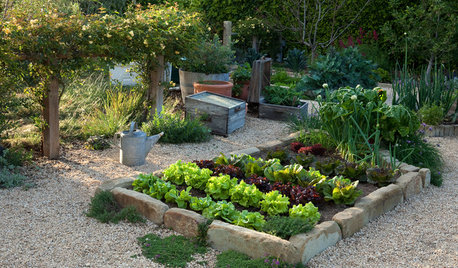
HOUZZ CALLWhat’s Growing in Your Edible Garden?
Tell us which fresh crops you look forward to enjoying this summer
Full Story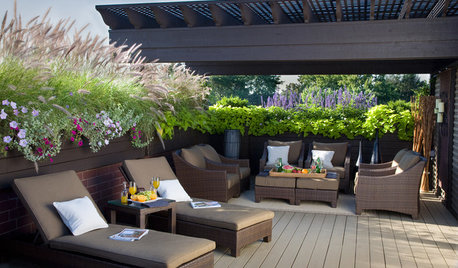
GARDENING AND LANDSCAPINGSpring Patio Fix-Ups: 12 Wonderful Ways With Planters
Change the look of your whole patio with just a few thoughtfully placed containers or a trellis brimming with greenery
Full Story
DECORATING PROJECTSFashion a Greens-Laden Tablescape for Spring
Pair lush greenery and flowers with milk glass for an arrangement that will make any meal memorable
Full Story
12 Vegetable Peelers to Make Quick Work of Your Garden Bounty
Steel yourself: These ergonomic and modern-looking tools bear little resemblance to the one-note peelers of the past
Full Story
PLANTING IDEASBig Foliage for Small Spaces
Use bold, large-leaved plants to create intriguing contrast in a garden where they’re least expected
Full Story
GARDENING GUIDESNew Ways to Think About All That Mulch in the Garden
Before you go making a mountain out of a mulch hill, learn the facts about what your plants and soil really want
Full Story
digdirt2
barrie2m_(6a, central PA)
Related Professionals
Anniston Landscape Architects & Landscape Designers · Bloomington Landscape Architects & Landscape Designers · Oxnard Landscape Architects & Landscape Designers · Grand Junction Landscape Architects & Landscape Designers · Missoula Landscape Architects & Landscape Designers · Cornwall Landscape Architects & Landscape Designers · Port Saint Lucie Landscape Contractors · Wilmington Landscape Contractors · Lafayette Landscape Contractors · Escanaba Landscape Contractors · Hackettstown Landscape Contractors · Magog Landscape Contractors · Kankakee Accessory Dwelling Units · Albany Accessory Dwelling Units · Coos Bay Accessory Dwelling UnitswvbetsyOriginal Author
raspistill
digdirt2