

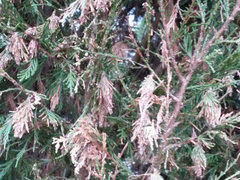
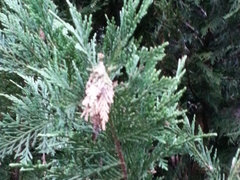
Dying trees
11 years ago
Featured Answer
Sort by:Oldest
Comments (17)
 11 years ago
- 11 years ago
Related Professionals
Miami Landscape Architects & Landscape Designers · Sarasota Landscape Architects & Landscape Designers · McAllen Landscape Architects & Landscape Designers · Laconia Landscape Architects & Landscape Designers · Decatur Landscape Contractors · Emporia Landscape Contractors · Chattanooga Landscape Contractors · Fall River Landscape Contractors · Oneonta Landscape Contractors · Plattsburgh Landscape Contractors · Chula Vista Landscape Contractors · Tupelo Home Additions · Harrisonburg Home Additions · Ithaca Home Additions · Redding Home Additions- 11 years ago
- 11 years ago
- 11 years ago
- 11 years ago
 11 years ago
- 11 years agolast modified: 11 years ago
 11 years ago
- 11 years ago
 11 years agolast modified: 11 years agopaige224 thanked Dave in NoVA • N. Virginia • zone 7A
- 11 years ago
- 11 years ago
- 11 years ago

Related Stories

GARDENING GUIDESTree Care: Common Tree Diseases and What to Do About Them
Learn to recognize trees that may be affected by diseases or pests so you can quickly take action
Full Story
GARDENING GUIDESHow to Keep Your Trees Healthy
Ensure your trees’ vigor for years to come with these tips for protecting roots, watering effectively and more
Full Story
GARDENING GUIDESHow to Keep Your Citrus Trees Well Fed and Healthy
Ripe for some citrus fertilizer know-how? This mini guide will help your lemon, orange and grapefruit trees flourish
Full Story
EDIBLE GARDENSHow to Grow 10 Favorite Fruit Trees at Home
Plant a mini orchard in fall, winter or early spring to enjoy fresh-off-the-tree fruit the following year
Full Story
FARM YOUR YARDIf You Have Room for Only One Fruit Tree ...
Juice up a small garden with one of these easier-care or worth-the-effort fruit trees for a mild climate
Full Story
SIDE YARD IDEASNarrow Trees for Tight Garden Spaces
Boost interest in a side yard or another space-challenged area with the fragrance and color of these columnar trees
Full Story
EDIBLE GARDENSHow to Add an Apple Tree to Your Edible Garden
Readily available, beautiful and fragrant, apple trees offer four-season interest along with crisp, juicy fruit
Full Story
SPRING GARDENING7 Spectacular and Practical Spring-Flowering Trees
Put on a beauteous show in the garden with a landscape tree awash in flowers — just do your homework first
Full Story
LANDSCAPE DESIGN8 Reasons to Plant a Great Tree
Beauty is its own reward, but the benefits of planting the right tree in the right place go way beyond looks
Full Story
GARDENING GUIDESWhen and How to Plant a Tree, and Why You Should
Trees add beauty while benefiting the environment. Learn the right way to plant one
Full Story
UpperBayGardener (zone 7)