Software
Houzz Logo Print
weatherman128

Getting Ready For Winter

11 years ago

It's getting close to the time to close up shop for some of us. Some may have already, some may never need to, but what(in your opinion) are the most important steps to take before winter comes?

Aside from new experiments, what advice would you give for putting the garden to bed?

Comments (24)

  • 11 years ago
    last modified: 11 years ago

    If you're growing oats, when in the spring do you cut them back? Do you till it in?

  • 11 years ago

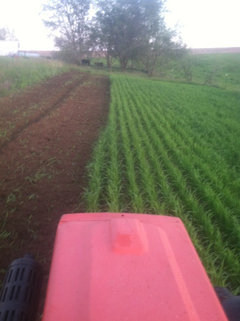
    The oats winter kill and don't come back in the spring. We do till them in next spring. We also plant spring oats in March and let them grow as long as possible before tilling in. Here is a pic of tilling in spring oats before planting sweet potatoes.


    Chris (6a NY) thanked jrslick (North Central Kansas, Zone 5B)
  • 11 years ago

    We don't get really hard freezes and live next to horse fields, so I cover all the beds I'm not using during the winter with cardboard and bricks or stepping stones. I usually stab the cardboard in several places so some moisture gets in, but the weeds (for the most part) stay out.

    I'm about due to start this, but it was 99* today and I'm NOT going to work in the garden besides watering in these temps!

    Chris (6a NY) thanked nancyjane_gardener
  • PRO
    11 years ago

    For me it's making sure the gardens are cleaned out- I often lag behind with weeding at this time of year because I'm so busy putting up the harvest. Then mulching... Heaps of grass, leaves, spent straw bales... Fresh cardboard between beds. And as much compost and manure as I can spread on.


    And planting in garlic, lots and lots of garlic. And getting the outdoor shelving set up so its in place when winter sowing time rolls around.

    Chris (6a NY) thanked beesneeds
  • 11 years ago

    Been cleaning up and getting ready for a hard freeze this weekend. But in my permanent bed, no till garden I still have going strong beets, carrots, turnips, kale, collards, Asian radishes, fall and winter lettuces, and savoy cabbages that will be harvested in Dec. and Jan. Still need to pack more hay around the root crops.

    Chris (6a NY) thanked laceyvail 6A, WV
  • 11 years ago
    last modified: 11 years ago

    Here is Missouri it looks like the cold is going to hold off for awhile with no lows below 39 predicted for the next 2 weeks. I have about 500 sq. ft. of Groundhog Daikon radishes growing since mid August and they are starting to get pretty big. Peppers still look good and I'm hoping that more will ripen before the first frost as they are currently loaded with a lot of green fruit. One Cherry Tomato still remains but there is not much green left on the plant except the un-ripened fruit. The quality of the cherries when ripened is not good late in the year but the chickens don't seem to mind :).

    I also still have Early Dividend Broccoli, Catskill Brussels Sprouts, Cherry Bell Radishes, Little Gem Lettuce, Little Finger and Scarlet Nantes Carrots growing. Garlic and Shallots were planted last weekend.

    As soon as a frost is predicted I will start the process of putting the garden to bed for the winter which involves the following tasks:

    1) Pick remaining fruit and pull the pepper plants, chop, and add to compost pile or throw them in the chicken run. Add a couple inches of compost to that bed and till in.

    2) Add compost and till ( if needed) the beds that don't currently have anything growing in them.

    3) Add a few inches of chopped leaves to all vacant beds and cover them with chicken wire to keep the leaves in place.

    After a frost or 2 has past and a hard freeze is predicted it is time to finish the job.

    1) Harvest the remaining Broccoli side shoots, lettuce, and carrots. Pull Broccoli plants, chop, and add to compost pile. Compost and till the beds if needed.

    2) Dig the Horseradish roots and process, can, and freeze it.

    3) Harvest the Brussels Sprouts. Chop, and add plants to compost pile.

    4) Cut the dead Asparagus ferns down and burn them, add a couple inches of compost and a couple inches of chopped leaves to each bed.

    5) Mulch the Garlic and Shallot beds with 4" of chopped leaves and cover with chicken wire to hold in place.

    6) Fill all of the empty compost piles with chopped leaves and whatever nitrogen source I can scrounge up.

    7) Say goodnight Gracie!!!

    Chris (6a NY) thanked LoneJack Zn 6a, KC
  • 11 years ago
    last modified: 11 years ago

    jrslick, that is quite the setup you've got there! I've seen the pics of your tunnels, and they are incredible. So would you prefer oats instead of something like vetch? I know you've got a lot of ground to cover, so it may make more sense for oats?

    nancy, 99 degrees!? Sheesh. I couldn't imagine living in those temps in mid October. The temps are in the 60's here and expected to be in the 40's this weekend(30's at night). I'm curious about this cardboard idea. So that would replace mulch?

    beesneeds, with the grass, leaves, and spent straw bale...will you remove that in the spring, or does it get turned into the soil? When are you planting your garlic?

    laceyvail, I need to start planting more of those cold-hardy crops. The only thing I have left now is Swiss Chard(Bright Lights), which always does so well in the cool temps.

    LoneJack!! Sounds like you have lots of work to do! Thanks for giving such great detail. So it's good to add the amendments to the soil now, before winter, rather than waiting until spring? Would it be ok to throw some compost scraps into a bed now, and turn it in, then mulch the bed? Or would those scraps not breakdown in time for spring planting next year?

  • 11 years ago
    last modified: 11 years ago

    Chris. It depends on what my plans are for each bed next year and how much compost I have on hand and how finished it is. For the beds that will have early spring plantings like Broccoli, Onions, lettuce, leeks, Potatoes, etc. I like to use 'unfinished' compost to amend with in the fall. This compost still has some larger bits of organic matter left in it and tends to fluff up the beds more when added and tilled in in the fall.

    I like to amend as soon as a bed becomes vacant to allow as much time in the fall for the wee critters to do their thing. This makes the beds ready to plant early in the spring after ground thaw when the weather often is too wet to work the soil.

    For the beds that will have warm weather plantings going in later in the season like Beans, Peppers, Tomatoes, etc., I wait until the soil is workable in the spring and add finished compost and turn it in. I also add finished compost if I have it to beds between most early season plantings and fall plantings with the exception of when I am following something like Broccoli with green beans since the beans themselves I consider 'amendments' and don't really need the nutrients compost provides. Sometimes if the soil in a bed is still very mellow or if a raised bed is still full to the top of the frame I will skip the compost completely for a season.

    You should be OK trenching in some food scraps now as long as the soil will not freeze solid for awhile, but I would chop it up into fairly small pieces to speed the decomposition and not pile to much in one place. A few inches of mulch over the bed should also keep it from freezing quite so fast when the cold sets in for good.

    Chris (6a NY) thanked LoneJack Zn 6a, KC
  • 11 years ago

    I chop up and till in a bit the crops when they are finished and add somewhat aged horse manure with lots of hay in it. I add also some leaf mulch and have added leaf compost. Where the crop finishes up early enough like the first 6 plantings of sweet corn, I sow tillage radishes.


    Right now the cauliflower are being harvested...huge. The green limas are superb this year after the early set back of so much rain. Potatoes are dug. All of the 'Irish" potatoes just got too much rain. 2 rows were large and nice. The 2 slightly later rows suffered from the rain. Sweetpotatoes got so much rain that scurf was bad on them. Peppers, eggplant, and carrots are still going...likely not for much longer though.

    Chris (6a NY) thanked wayne_5 zone 6a Central Indiana
  • 11 years ago

    Thanks, LoneJack. If a bed has some unfinished compost in it come spring, it wouldn't be a real issue for planting, right? Eventually it will break down and the roots will work around it? Unless it's a root vegetable and prefers less debris, so it doesn't become deformed.

    Wayne, sorry to hear about your potatoes. I feel like I've heard that same story from a lot of people this year.

  • 11 years ago

    Unfinished compost added in the fall should be well incorporated into the soil by spring. Whole leaves turned into the soil in the fall might not be decomposed completely by spring though and cause some nitrogen tie-up but that can be remedied by adding some nitrogen if the plants indicate it is needed.

    Chris (6a NY) thanked LoneJack Zn 6a, KC
  • 11 years ago

    Chris, the temps have gone from 99 to the mid 70s and will ramp back up to the mid 80s this week, then I predict they will start dropping.

    I only have a couple of beds in the winter (lettuce, chard, kale, broccoli, radishes) I have 7 or so raised beds and 2 raised up off the ground beds that I use for greens, so I cover the unused beds with cardboard to prevent weed infestation during the winter. Actually, the cardboard is only partially broken down by spring, so it's easy to chop a hole in the cardboard and plant spring stuff, still preventing weeds!

    Cardboard is my friend! Nancy

    Chris (6a NY) thanked nancyjane_gardener
  • 11 years ago
    last modified: 11 years ago

    Planted more spinach and carrots. It will be 80 with torrential rain here today. I need to get all of my limes picked before they split from the rain. Hopefully all my seedlings stand themselves back up from last night's downpour. Happy El Niño! The upshot is that I'm getting fabulous sets on all of my established eggplant and pepper plants and it should be a nice enough winter to continue production for a while.

    Chris (6a NY) thanked Pumpkin (zone 10A)
  • 11 years ago

    I've been working towards Fall for weeks now. It's too big a job to put it all off to the last minute. Tomato plants have been coming out as they deteriorate. They go to the landfill. Pepper plants this year didn't produce...too wet?...so they've been pulled too except for the one huge Asian pepper plant. Watermelon vines (essentially dead now) need to find their way to the trash. Isn't it true that they shouldn't be composted? I'm still picking green beans (2nd planting) and I've been getting potatoes from my Fall crop for several weeks. In the middle of my vegetable garden I have about 35 amaryllis bulbs. I have started the process of digging them for winter storage. Quite a process for me partially because I keep a label with each individual bulb to document bloom history and color. They get dug, dried in the shed for a few weeks, and then cut off the (drying) leaves and pack for storage in the basement. Each time I move the bulb, the label has to move with it. Once the beans give up or we get a frost (whichever comes first) I'll dig the potatoes, pull the beans, and whatever else is still in the garden and break out the rototiller. For the first time ever, I think I'll plant a cover crop. Bought some annual rye grass seed for this purpose. Anything to watch out for when doing this?

    Chris (6a NY) thanked itsmce (zone 6b, Kansas)
  • 11 years ago

    Sounds like you've got your hands full, hopefully with some delicious vegetables.

    I can't speak to ryegrass, and this is the first year I'm trying a cover crop myself. However, I used vetch for a couple of my plots. I scattered the seeds in late August. I think the plan is to get it established enough so it can survive the winter freeze. Then in the spring, cut it back before it goes to seed. Some say to till it in, others say to just cut it at ground level and basically use it as a mulch...sow your seeds or plant veggies amongst the root system, which will eventually break down. From what I've read, ryegrass has a dense, shallow root system.

  • 11 years ago

    Winter wheat or Rye are cover crops that can be planted late but they are basically only helping with erosion control. Most covers that build soil have to be planted when it's still warm. I use tillage radish, oats Rye and clovers.

    Chris (6a NY) thanked Happy Hill Farm
  • 11 years ago

    Forgot a couple tasks on my list. Was reminded as I worked in the garden on the weekend:

    • Find a place to stash the 18 tomato and pepper cages
    • Disconnect soaker hoses from supply line, coil, and store.
    • Empty supply line of water to protect it from freezing.

    It got close to freezing this weekend, but I'm still safe. I think I've got at least another week to get the last of the amaryllis dug and protected. A few more beans to pick. It's so hard to pull the plants when they are still producing, albeit not much.

    Chris (6a NY) thanked itsmce (zone 6b, Kansas)
  • 11 years ago

    itsmce, are you going to plant any garlic?

  • 11 years ago
    Garlic? I've been thinking about it but haven't yet. Why do you ask?
  • 11 years ago

    Just curious. Over here it's time to plant garlic. I planted mine this weekend.

  • 11 years ago

    we are getting two inches in the next 48. Saturday I will plant the garlic for sure, and plant the hoops. Probably not yet time to put the plastic on, we are still above freezing.

  • 11 years ago

    You use a row cover for the garlic, instead of mulching, glib?

  • 11 years ago

    no, no I always mulch garlic. either wood chips or leaves.