

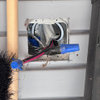
3 vs. 4-wire 220
10 years ago
last modified: 10 years ago
Featured Answer
Sort by:Oldest
Comments (9)
 10 years ago
Related Professionals
Decatur General Contractors · Hopkinsville General Contractors · Frederick General Contractors · Richmond General Contractors · Amarillo General Contractors · Daytona Beach Home Remodeling · Jamestown Home Remodeling · Trenton Home Remodeling · Farmington Home Remodeling · Pittsburg Bathroom Remodelers · Elizabethtown Bathroom Remodelers · Annapolis Bathroom Remodelers · La Crosse Bathroom Remodelers · Denver Bathroom Remodelers · Wenatchee Bathroom Remodelers- 10 years ago
- 10 years ago
- 10 years agolast modified: 10 years ago
- 10 years ago
- 10 years ago
- last year
- last year
Related Stories
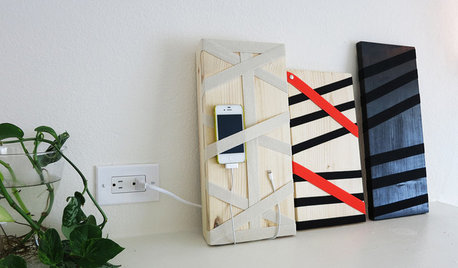
DIY PROJECTSHide All Those Wires in a DIY Charging Station
Keep your gadgets handy and charged with a flexible storage board you can design yourself
Full Story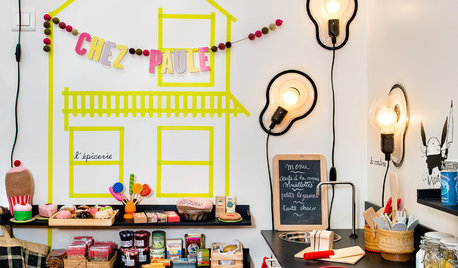
LIGHTING10 Ways With Wall Lights That Don’t Need to Be Wired In
Learn how to add illumination to your home without carving into the walls
Full Story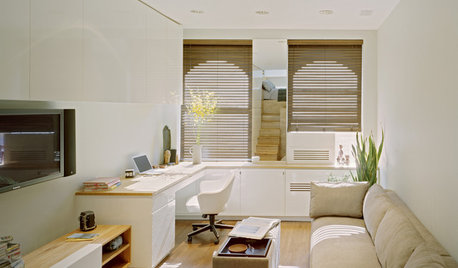
SMALL HOMESCan You Live a Full Life in 220 Square Feet?
Adjusting mind-sets along with furniture may be the key to happiness for tiny-home dwellers
Full Story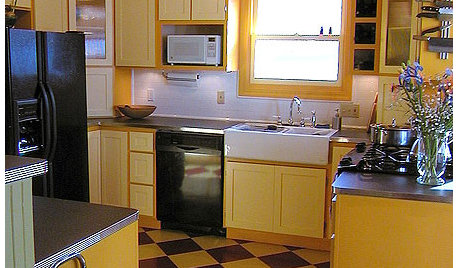
KITCHEN DESIGNKitchen Remodel Costs: 3 Budgets, 3 Kitchens
What you can expect from a kitchen remodel with a budget from $20,000 to $100,000
Full Story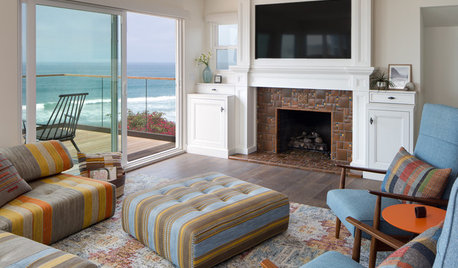
FIREPLACESNew This Week: 3 Fireplace Transformations, 3 Budgets
See how different approaches to tackling a focal-point fireplace can completely change the look of a living room
Full Story
DECORATING GUIDESMission Possible: A Designer Decorates a Blank Apartment in 4 Days
Four days and $10,000 take an apartment from bare to all-there. Get the designer's daily play-by-play
Full Story
FARM YOUR YARDGrow a Kitchen Garden in 16 Square Feet
Got a sunny 4-by-4 space? You can make meals more interesting with your own vegetables and herbs
Full Story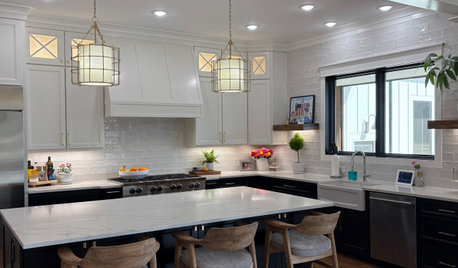
WORKING WITH PROSThe 4 Potentially Most Expensive Words in Remodeling
‘While you’re at it’ can result in change orders that quickly add up
Full Story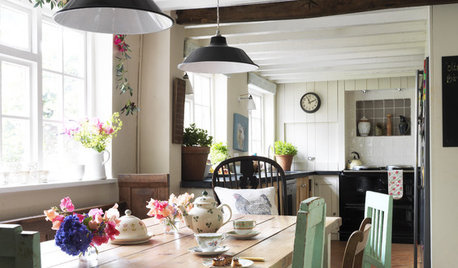
MOST POPULAR4 Obstacles to Decluttering — and How to Beat Them
Letting go can be hard, but it puts you more in control of your home's stuff and style. See if any of these notions are holding you back
Full Story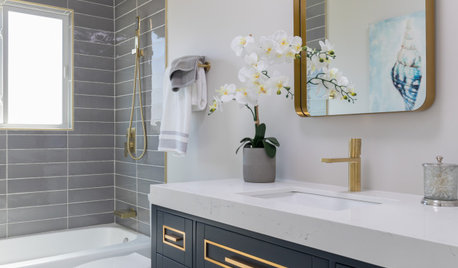
BATHROOM DESIGN4 Designer Secrets to a Luxurious Bathroom Look
Give your bathroom a finished feel with a few splurges and budget-stretching moves
Full Story
randy427