Software
Houzz Logo Print
jekeesl

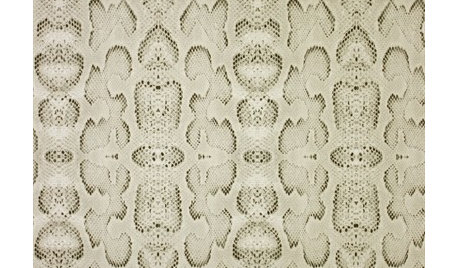
Snake Patterns

10 years ago
last modified: 10 years ago
Arkansas has six venomous snakes; Water Moccasins, Coral
Snakes (in 4 southern counties), Copperheads, Pigmy Rattlesnakes, Diamond-back
Rattlesnakes, and Timber Rattlesnakes.
We also have lots of the friendlier types, so I thought that I’d start a
post on snakes for general review. This
first entry will compare non-poisonous watersnakes to Water Moccasins.

We have several species of watersnakes (genus Nerodia) in
Arkansas that are often mistaken for Water Moccasins (a.k.a. Cottonmouths,
genus Agkistrodon). In general, Water
Moccasins are thick-bodied snakes with triangular-shaped heads. They also have thick, relatively short tails,
narrow necks that abruptly transition to the head, a dark horizontal band
across the eye, and vertical pupils.

Watersnakes may look a lot like Water Moccasins at first glance; but
they have less heavy bodies, longer and thinner tails, and roundish eye
pupils. The literature says that Water
Moccasins also have heat-sensing pits that Watersnakes lack. However, that feature is not always easy to
determine in the field.

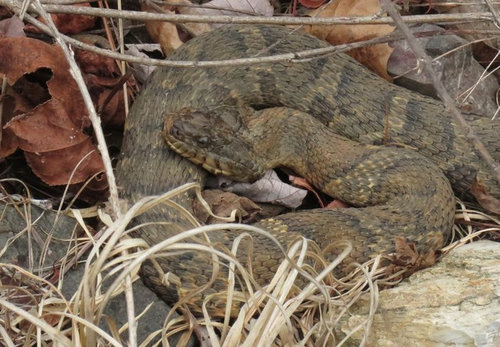
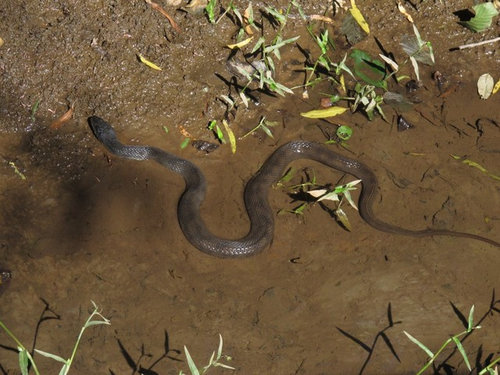
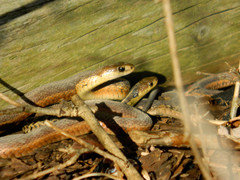
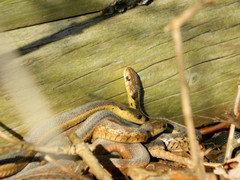
The first two photos below show what I believe was a
Northern Diamond-backed Watersnake. The
shots were taken on 12/12/2015 along a local lake. I was surprised to see it sunning so late in
the season. You can see its roundish,
somewhat horizontal eye pupil and long, thin tail in the first photo. The second photo shows the lack of a
heat-sensing pit. That feature, based on
Internet descriptions, is usually a bit below, and fairly close to the eye in
Water Moccasins.

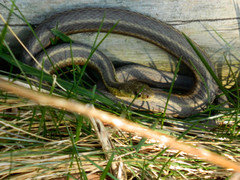
The third photo shows a Yellow Bellied Watersnake (or
similar). Although the watersnakes
flatten their heads and bodies, when threatened, this one is in its more
relaxed position.

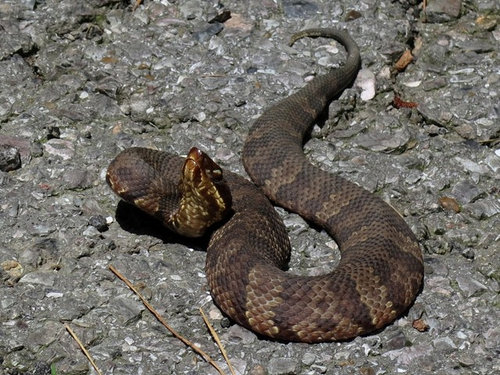
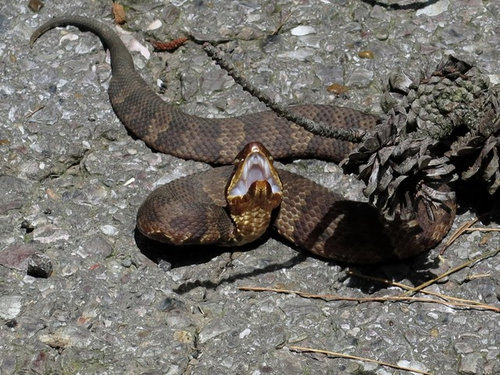
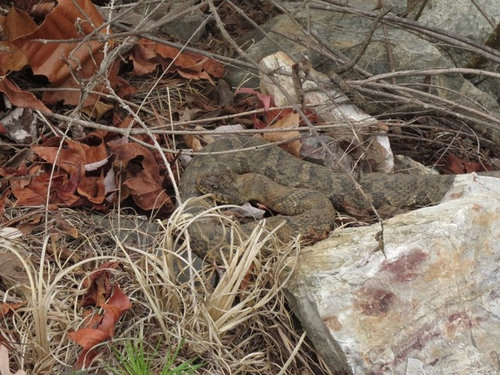
The fourth and fifth photos show a Water Moccasin on a road
less than a mile from my home. That
snake was more than a half mile from the nearest creek. Note its thick body, short thickened tail,
and vertical pupil. That fifth photo
just shows how happy he was to see me.

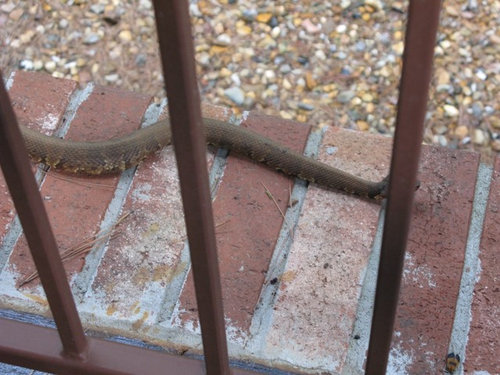
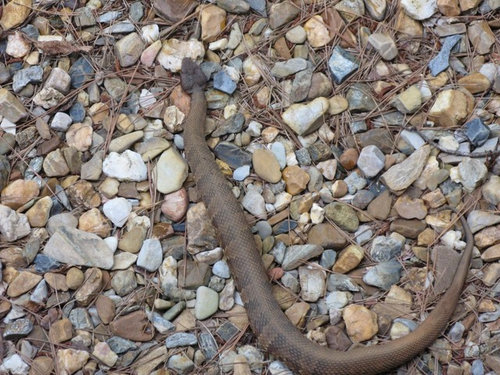
The last two photos are of a Water Moccasin on my back
deck. That deck is about 6 feet above
the forest floor, so the snake crawled up brick steps to get there. The surrounding area is a mixed pine and
hardwood forest, with no creeks closer than 300 yards.

I often see Water Moccasins around water, but was surprised
to find them on dry sites. When I later
talked to a Herpetologist, he said that was a common misconception and that
Water Moccasins are sometimes found in dry forests, and even in mountainous regions. Here are the photos…..

Northern Diamond-backed Watersnake (2 photos)

Yellow-bellied Watersnake

Water Moccasin (4 photos)

Comments (14)

  • 10 years ago

    Great shots! Thanks.

    tj

  • 10 years ago

    We only have a pathetic 3 snake species here and only one venomous.

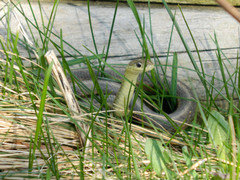
    This one is harmless, a Grass Snake. They're excellent swimmers. This one was in the Thames.

  • 10 years ago

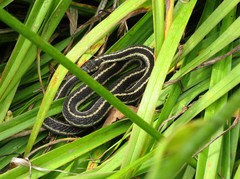
    Our most common in NA. This is the Eastern Gartersnake

  • 10 years ago

    Floral, that one is gorgeous. Peren, is yours getting ready to shed? His eye isn't very clear. I've read that snakes get cranky when that happens.

  • 10 years ago

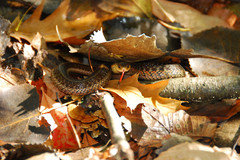
    I am glad you noticed that because I checked out a lot of online pics since the eye didn't look normal to me either. Perhaps it is about to shed. Here is one more pic that does not show the eye very well but it looks less blue and more cloudy.

    I am sure the poor little toad that was his meal shortly before snapping these pics thought he was cranky.

  • 10 years ago

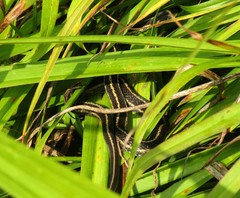
    I'm sure the snake below is a garter snake but I'm not sure which species. Maybe Northern Ribbon?

  • 10 years ago

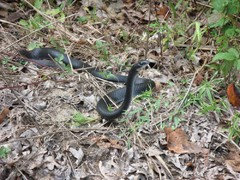
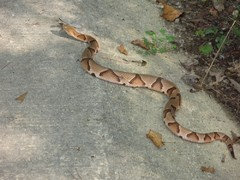
    Here are two more examples. Black Rat Snakes and Copperheads are very common in Arkansas.


  • 10 years ago

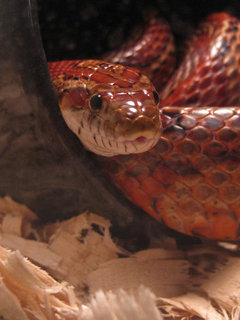
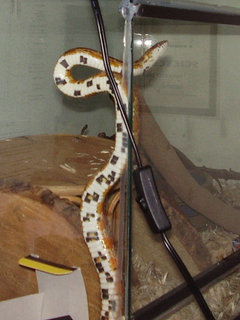
    Here is a friendly corn snake with a nice pattern in his scales, our son's pet, now dead alas.


    Belly pattern:

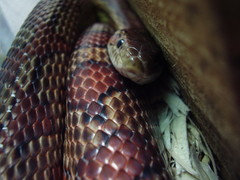
    And ready to shed, as you can tell by the dark colour. At first the orangey brown changes to a milky darkness and the eye gets cloudy, as with peren.all's garter snake, then the eyes clear up while the colour stays dark, but less milky than in the cloudy phase. A day or two after he cleared up, he would shed, and come out with his most beautiful clear coloration.

  • 10 years ago

    He was a very handsome snake and I am sorry he is gone. Wonderful pattern both on his back and belly. The coloration is attractive at all stages.

    Great info on the shedding process. Thank you very much!

  • 10 years ago

    I still miss him. He was a great snake, and well educated too. He used to help my son with his homework, curled up in the hood of his sweater. He also studied French at a show and tell session, where he seriously frightened the poor teacher with his inquisitive friendliness ;-). One of his favourite activities was exploration: getting into our sleeves at the wrist, wriggle himself up and peek out under our chins or in our necks. That all in front of horrified guests, of course. I guess this turned into a (well deserved) obituary...

  • 10 years ago

    He is a handsome fellow indeed! Happy you found the photo.

  • 10 years ago

    And I thought British adders looked like this...

    I need to get out more.

    Thanks for the pic. Nice pebble patterns.

    tj

  • 10 years ago

    Love the picture, Floral!

    There are patterns to warn and to hide. This is a hiding pattern. I'm not a herp person so I can't tell you the species but it is one of our very small, northern snakes. The snakes pictured are only as big around and my index finger. Glorified worms in size. They could only eat bugs and tiny amphibians and be prey to birds, larger snakes, and a variety of mammals. Growing up we always called them "garter snakes" or "grass snakes" but neither may be right.

    We have an old hand-dug well that is no longer used and these snakes den each year in a fair number there. We rarely have these snakes around so they collect up at our place in the fall. And in the cold and frozen North, good winter denning spots would be something to travel for. I don't always see the collection or them waking up and leaving but I've caught it enough times to suspect it happens every year. Here is some pictures from one spring jamboree wake-up that lasted through a whole weekend.

    Subtle patterns to be sure.