Software
Houzz Logo Print
johnsfine

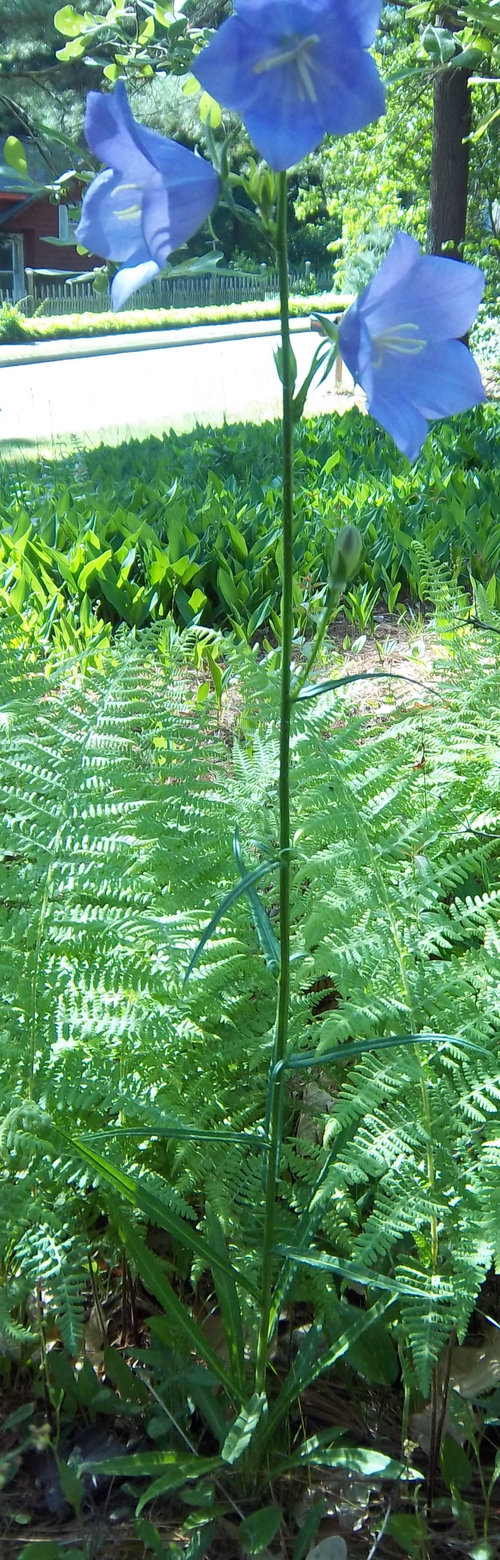
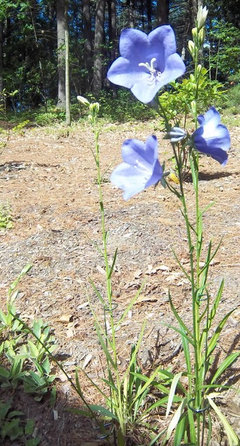
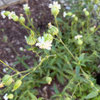
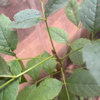
Tall stalk with flowers and thin leaves

10 years ago
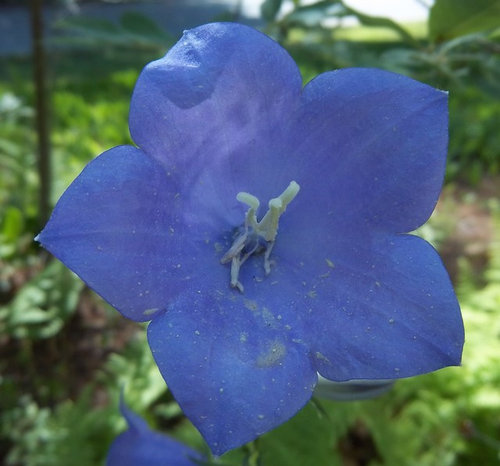
What is it?


Comments (11)

  • 10 years ago
    last modified: 10 years ago

    Yes, C. persicifolia was my first thought too.

  • 10 years ago
    last modified: 10 years ago

    I found a dozen of these scattered around (all but the pictured one look like they will flower significantly later). Not a single one is in a good place, but I have a couple other places where they would be perfect. I wanted to know what they were (especially to make sure they are perennial) before doing anything. This morning I transplanted four of them. I'll see how badly that goes to decide on future attempts.

    This one is under a shrub and in nearly full shade most of the day. But I'll leave it there and see if I can figure out harvesting the seeds to plant in 2017 for flowers in 2018. (Notice the color of the black pavement in the distance. The foreground area is not nearly as well lit as the picture seems to show).

  • 10 years ago

    You could collect the seed and Winter sow. (There's a WS Forum here on GW.) That would give you plants in the spring of 2017.

    BTW C persicifolia copes well with some shade. It is a really useful plant in that respect.

  • 10 years ago
    last modified: 10 years ago

    Does the flower color match when these grow from seed on their own?

    The ones I transplanted seem to be doing better after two days than anything I ever transplanted before. I'm not very good at this and never before had a plant continue growing right after transplant as these did. One was transplanted with one flower open plus one starting and in two days it has 3 open and another starting. The others barely had visible buds. But now two of them have WHITE flowers starting. Where did the seeds for those come from?

    I pulled the pair with the white flowers from a spot two feet away from where I got the other two (one purple flowers and one small). They never flowered there before this year. I thought the scattered plants around that area were all seeded from the one plant 25 feet away (first 2 pictures above) that flowered last year (and maybe the year before). I haven't noticed this plant in any neighbor's garden. The area with scattered newer plants (likely 2 years old and unnoticed before under the lily of the valley) certainly gives the feel of having been seeded from one source. So where did the white flowers come from? (Not complaining, just curious).

  • 10 years ago

    White flowers will arise occasionally with this plant and there are white cultivars. However, when the white ones self sow they often revert to the blue type. It is possible someone planted white ones in your garden and as they have self sown they have produced variable offspring.

  • 10 years ago
    last modified: 10 years ago

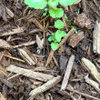
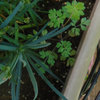
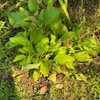
    I've lived here for almost 30 years. The Campanula I just transplanted came from the original location of the lily of the valley that has been there the whole time (over the years, lily of the valley spread far beyond there, as I wasn't actively maintaining things). I'm sure no one planted Campanula there. I'm sure a bird or the wind (or whatever naturally spreads this plant) put it there. I expect that it took two or more years struggling under the thick lily of the valley unnoticed before it was strong enough to shoot up above the lily of the valley (this thing must tolerate a lot more than "some" shade, because it sprouts later than the lily of the valley each spring).

    So I was curious whether a bird somehow dropped seeds from two different plants from someone else's distant garden that close together in my garden. The more plausible possibility is that the seed(s) for the white two came from the blue type (reverse of the reversion you described) and only the seed for the first blue one came from a distant garden. I guess it is also possible a bird planted multiple seeds from one distant white Campanula several years ago, and all but one reverted to blue, then one of the blue ones had a less hostile environment and flowered a year or two before the others.

    If I understand correctly, these self propagate underground. The two white ones came from 2 inches apart, so it likely was from one seed that propagated underground in a previous year in which it was too weak to flower.

    Anyway, I'm now encouraged to transplant most of the rest of the Campanula out of the Lily of the Valley as soon as I have time. If these four can do this well after transplant, this plant is absurdly tolerant. I'll still leave the strongest Campanula under the shrub to try to get seeds and leave at least one in the Lily of the Valley for future attempts (or is it also needed for fertilizing that stronger one 25 feet away?) The transplant location is other side of the house. Do I need two plants near each other to get seeds?

  • 10 years ago

    I did say 'White flowers will arise occasionally'... reversion to blue is more common but blue plants will throw white from time to time. That's where white cultivars came from in the first place.

  • PRO
    10 years ago

    Depending on where you are John, you may find these take over as easily as your LOTV did. I have volunteers in the very shady (no direct sun ever) area of my garden, and I have to control where they shoot up. Fortunately they are very easy to pull, unlike LOTV.

  • 10 years ago

    I transplanted 6 more to the same place today. Like the first one I transplanted, each had one open blossom plus several buds. Unlike the first one, 4 of those 6 had the open blossom completely wilt in a couple hours post transplant. No clue what I did wrong (or if it is just dumb luck). I really felt like I was doing a better job today (more dirt and roots intact). These 6 still might recover, in which case assuming perennial, I hardly need any from seed.

    I found a few more as they grow up from under various dense plants. So they tolerate severe competition for sun, water and nutrients. I'll have to see whether they tolerate open air around them, a few hours per day of full sun and otherwise less total shade. They're supposed to prefer sun and just tolerate shade.

    I'm curious about the seeds (especially now from the white ones), so I'll try that anyway.

    But if the transplanting isn't a total failure, finding them where they already self sowed to build the two clumps I want seems to be more effective. The short one of the first four grew 6 inches in a few days after transplant (but still has just buds, no blossoms). The one transplanted with one blossom and 4 buds quickly went to 5 blossoms. The two transplanted with many buds each had several of those buds open to white blossoms. So the first four continue doing absurdly well post transplant. The next 6, quite bad after just a few hours (no the first four definitely didn't have a bad first few hours).

    I can see I'm risking having them pop up everywhere. But they do seem both easy to pull where they are a weed, and a very nice looking flower when you put several in an intentional looking clump.

    I'd like a few more white. Maybe some from seed will be white. But it really looks like only one volunteer was white and it propagated underground to b the two I now have. I wonder how long that takes and if I can competently split them when it happens.

    Online it said the bottom leaves are evergreen (remain over the winter). Maybe somewhere milder, not here. (6a, borderline 6b by zip code, but 5b by the actual Feb early AM temperatures we see, below -10F several nights each Feb). IIUC, winter sowing is just a tiny plastic greenhouse to get an earlier start in the spring. Any opinion on covering existing plants in the fall with a hood of some clear plastic half container with holes? If the bottom leaves would be evergreen in a milder climate, they would at least last longer and I would think feed the underground propagation, since flowering would be over. My LOTV dies off above ground in late summer regardless of weather, long before it gets cold, so I assume it is on a biological clock set for a shorter growing season causing it to start early and end earlier. But the Campanula may be more responsive to actual temperature.


  • 9 years ago

    I can now contradict what I said last June about it being too cold here for this plant to be evergreen. I was jumping to a false conclusion based on the fact that there were many visible in fall 2015 after the LOTV vanished, but non visible in spring 2016 before the LOTV sprouted.

    The patch I protected from snow storms did fine exposed in temperatures down at least to -10F. Most of the others vanished, apparently based on how continuously they were covered with snow. Under snow for a week without air/sun seems to be OK, but a little longer seems to destroy the leaves.