

corn and corn earworm preventation
10 years ago
Sort by:Oldest
Comments (4)

Related Stories
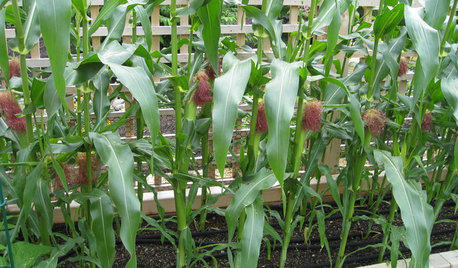
SUMMER FRUITS AND VEGETABLESHow to Grow Your Own Fresh, Sweet Corn
Here's how to plant and care for your own mini cornfield
Full Story
EDIBLE GARDENSNatural Ways to Get Rid of Weeds in Your Garden
Use these techniques to help prevent the spread of weeds and to learn about your soil
Full Story
GARDENING GUIDESBackyard Birds: How to Care for American Goldfinches
The American goldfinch is a bright-in-the-summer visitor and one of the only vegetarian songbirds. Here's how to give them a healthy habitat
Full Story
GARDENING GUIDESHow to Pick a Mulch — and Why Your Soil Wants It
There's more to topdressing than shredded wood. Learn about mulch types, costs and design considerations here
Full Story
FARM YOUR YARDIf You Have Room for Only One Summer Crop ...
Get an edible that’s long on flavor even if you’re short on space, with a long-time gardener’s favorite picks
Full Story
MOST POPULAR7 Ways to Design Your Kitchen to Help You Lose Weight
In his new book, Slim by Design, eating-behavior expert Brian Wansink shows us how to get our kitchens working better
Full Story
EDIBLE GARDENS8 Last-Minute Additions to a Summer Edible Garden
It’s not too late to get these vegetables and herbs planted for a bountiful harvest this year
Full Story
HOUSEKEEPINGThe Quick and Easy Way to Clean a Microwave
All you need is water and a couple of other natural ingredients to get your appliance sparkling and smelling fresh again
Full Story
GARDENING FOR BUTTERFLIESBring on the Birds: Natural Habitat Ideas for Gardens of All Sizes
Provide nesting, watering and perching spots inspired by the Costa Rican jungle and watch the birds flock on over
Full Story
GARDENING GUIDESTackle Weeds the Natural Way
Instead of dousing your yard with chemicals to wipe out weeds, let time and nature work their magic via smothering and solarization
Full Story

digdirt2
garybeaumont_gw
Related Professionals
Fayetteville Landscape Architects & Landscape Designers · Elkton Landscape Architects & Landscape Designers · Olean Landscape Architects & Landscape Designers · Amarillo Landscape Architects & Landscape Designers · Wilmington Landscape Contractors · Madison Landscape Contractors · Jackson Landscape Contractors · Murfreesboro Landscape Contractors · Farmington Landscape Contractors · Longview Accessory Dwelling Units · Chillicothe Accessory Dwelling Units · Aurora Accessory Dwelling Units · Brattleboro Accessory Dwelling Units · Colorado Springs Accessory Dwelling Units · Las Cruces Accessory Dwelling Unitswayne_5 zone 6a Central Indiana
zeedman Zone 5 Wisconsin