Software
Houzz Logo Print
tehya_lovos

Multiple plants dying

9 years ago
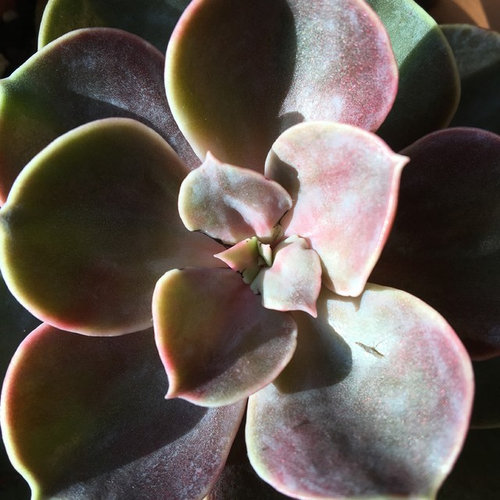
I like to think that I am well versed in the world of succulents, well at least in summer because right now winter is beating me. Being 16 with only 2 years of experience may be a factor in that too. I believed that my plants were infested with scale so I started treating them with rubbing alcohol. I did this three days in a row (Q: Does this harm my plants?). I skipped two days and now I'm finding that my plants are falling apart and I'm different ways.

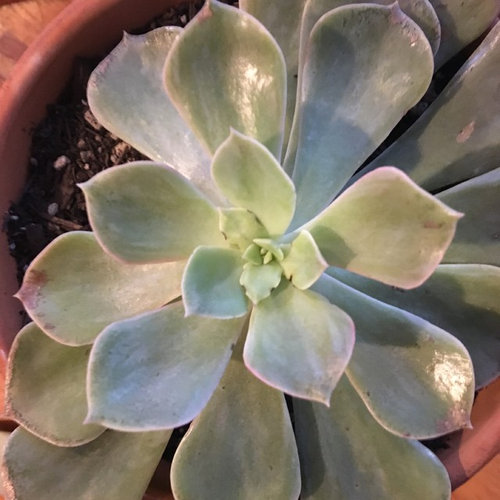
First plant: E. perle von nurnberg. I've had this happen to one of my plants before but then nothing more happened and the black just grew with the leaves. Is this a problem, what is it?

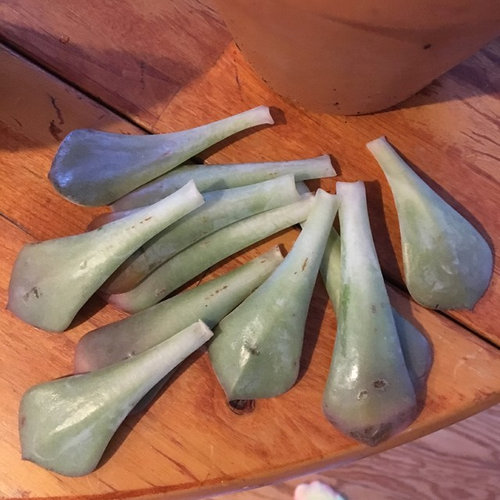
Second plant (I know it's etiolated, :/ I had to quaratine it): unknown, labeled incorrectly. This plant has leaves falling off easily as well as the same eaten away black in the middle. All of the loose leaves pictured fell off with the slightest touch. Is rot a possibility?

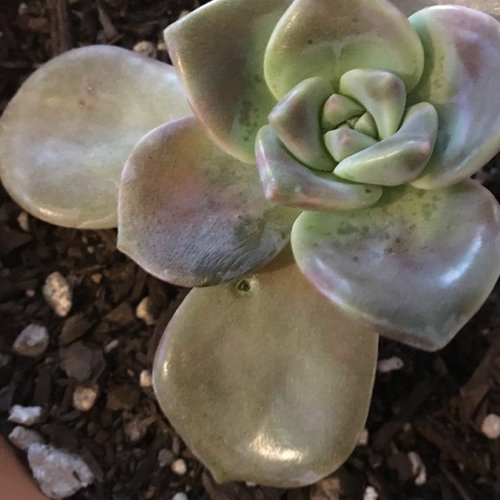
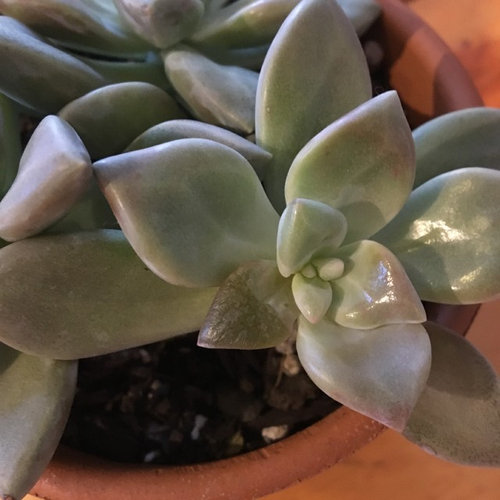
Third plant: Graptopetalum variety. Rot? It's leaking a watery substance from fallen off leaves and the point of where leaves and stem meet. Could this be from the streak of the rubbing alcohol treatment? It's symptoms look like overwatering as well though.

(Below) The droplet on the leaves was leakage from the plant. Anyone have an idea why?

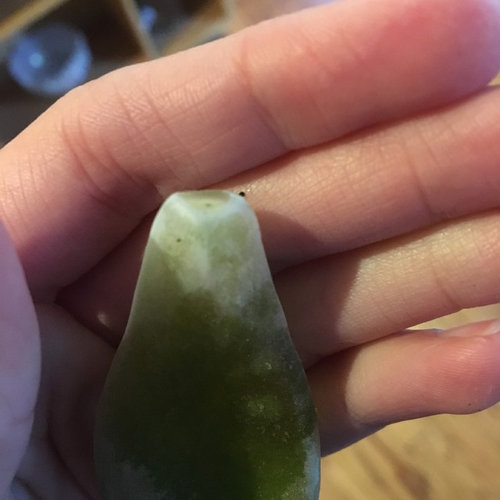
Fourth plant: Graptopetalum marquise de sevigne. The leaf is soft and squishy. Overwatered, the alcohol treatment, or something else?


- a concerned plant parent

Comments (10)

  • 9 years ago
    last modified: 9 years ago

    How sure were you about bug infestation? I can't see any - but maybe you got rid of them?

    When treating with anything, it is usually not done for so many consecutive days. Plants should be treated once, and then depending on type of bug, they may need another treatment in few days or a week. They should also be kept out of strong sunlight while wet from a spray.

    It is very possible that they were too wet being sprayed 3 days in the row.

    Overwatering is a possibility too, leaves usually fall off so easily if waterlogged (some of them look like it in your photos). It is not easy to say for sure just looking at the pics. How often & how much do you water? How warm is it where plants are kept?

    Looks like your mix is quite organic: what is it made off? In my experience, very gritty mix is much better for succulents since it doesn't retain water for so long.

    Tehya (Zone 9a) thanked rina_Ontario,Canada 5a
  • 9 years ago

    I am thinking overwatering. Water in season only about once a week when the soil is completely dry.

    Tehya (Zone 9a) thanked Rob Blomquist
  • 9 years ago

    I was I was pretty sure of the bug infestation but not completely, they aren't apparent anymore though. I water when the soil is completely dry from what I can feel which is about 2 weeks in the winter season. I water it thouroghly, until water is dripping out of the bottom. These plants were outside until I moved them in to take close care of them. Outside: during the day it's in the 60's and at night it's in the mid 30's to 40's. Inside: it's in the 60's. I buy my mix from Home Depot and don't add anything to it. It's a Kellogg's succulent and cacti mix.

  • 9 years ago
    last modified: 9 years ago

    Typical bagged soil mix is very water retaining. How do you check for dampness? Just looking at it could be very misleading. Soil like that could be totally dry on surface, yet wet below. It may take much longer than 2 weeks to dry enough, and especially if in cooler temps. Lifting the pot right after watering and after few days will give you feel of it: wet soil is quite heavy. Or use bamboo skewer/chopstick test. I use only gritty, inorganic mix for succulents, drainage is superior. If nothing else, get some perlite, sift it and add lots to the soil you have - more than half of total volume.

    I would not water 'on schedule', at least not until they are in a mix that drains well. Succulents should be watered thoroughly but only when needed.

    I do not see any trace of bugs, so it's hard to tell. Maybe it wasn't scale? With any treatment (and also fertilizing), too much is not better (referring to 3day treatment you mentioned).

    Tehya (Zone 9a) thanked rina_Ontario,Canada 5a
  • 9 years ago

    Rina, I check for dampness by poking my finger into the soil, not the most convenient but it's the most assuring for me.

    Kwie, I wet all leaves by rubbing them with qtips.

    Thank you both for the watering, soil, and pest care advice :)

  • 9 years ago

    Hi Tehya,

    Are you able to get your finger to the VERY BOTTOM of the pot/mix? Usually not, which is why folks recommend the skewer test, chopstick or even a pencil.

    In larger plantings one's finger simply doesn't go deep enough down in the mix & the very bottom mix staying damp is often where the rot starts.

    "I wet all leaves by rubbing them with qtips."

    If you grow any plants w/ Bloom or Farina (or Patine someone mentioned above), you will damage them by RUBBING THE LEAVES W/ QTIPS & the damage is NOT fixable. (Common in Echeverias, Graptos).

    That whitish farina or bloom is the plant's own sunscreen which you are removing, leaving the plant vulnerable to sunburn.

    It will not grow back, will only appear on new growth, can't return it to older growth once removed so pls. STOP RUBBING THE LEAVES W/ ANYTHING, even your fingers!!!

    Since we're talking about succulents in particular, it's far better to water the MIX or SOIL, not the plants themselves, that too can lead to rot.

    I'm sorry to sound so severe, but really, you're doing multiple things which are harming the plants.

  • 9 years ago

    Tehya, I think Rina asked about temperature. Is there any chance they were subjected to cold? What about direct sun- keeping in mind that the sun comes much farther in the windows this time of year because it's so low on the horizon (20' into my apartment as opposed to 1' in summer). It also comes in at different angles because it's so far south.


    I'm in just trying to think of some things that will liquify leaves, and cold (especially freezing or touching cold glass, stone, or metal) and very severe sunburn are a couple things that might do it.

  • 9 years ago
    last modified: 9 years ago

    In my experience, leaves get very soft, plump, discolored (usually much lighter color) and wrinkly (looking like a leaf in 4th photo) when water-logged. If 'touched by the frost', they also may turn to mush. I try not to keep leaves constantly wet - that's what may have happened with too much of alcohol. I believe I mentioned keeping them out of strong light while being wet with alcohol (or any other spray) that may cause a burn in sunlight.

    Using gritty mix is not a must. I recommend it since I have very good experience with it, not only because I read about it. But I also mention using lots of perlite or pumice mixed with soil - I do not use it, but have tried in the past. Personally, I prefer gritty mix and keep even some tropicals in it. I would pot all my plants in it, but it gets heavy in big pots :) Many can't find ingredients easily (that is why I do not use bark in it); some do not have space to store them (in bulk, bags are usually 50lb. It gets quite expensive to buy small amounts, or may not be available in small packages); some just do not want to do the work - all good enough reasons. Some just can't imagine how would plant grow 'without any soil' - but succulents, in their natural habitat, grow in mostly rocky areas. With very little, if any, soil.

    Watering thoroughly when needed is much better than watering in sips. That doesn't mean flooding the plants/pots. But even if, all excess water will run out and much less will be held by some of the pariculates: turface does (adjusting amount of turface gives good control over water retention). Soils with mostly organic ingredients will hold much more of water for much longer.

    It is possible to over-water plants in gritty - by either watering too often or by too much (and often too small particles) of the more water-retaining ingredient. Or by letting pots to sit in saucers/trays full of residual water. It is also very possible to under-water: it drains much faster, less water is retained. Neither is good for plants. Between over- and under-watering, plants will recover usually from the latter.

    Posters often say: "I water them tiny bit, just with a syringe" or "I water with xxx ml of water". I don't blame them since they may have read it, or were told by someone to do it that way. That kind of watering doesn't give roots proper moisture, I would say it is just 'teasing' the roots.

    Some ppl let them sit in a tray with water, I don't since I find it time-consuming (moving too many plants back & forth). Since I used to over-water, the gritty mix solved my problem. I can leave succulents outside if raining without too much worry (I only protect them if there is too many days of constant rain - last summer I didn't have to). And a small bonus - no fungus gnats indoors since using gritty mix....

  • 9 years ago

    Hi Tehya. I'm totally curious to know what the diagnosis was on your plants, and what action (if any) was needed and the result.

    I found this thread searching "rubbing alcohol"

Sponsored
Peabody Landscape Group
Average rating: 3.5 out of 5 stars8 Reviews
Franklin County's Reliable Landscape Design & Contracting