

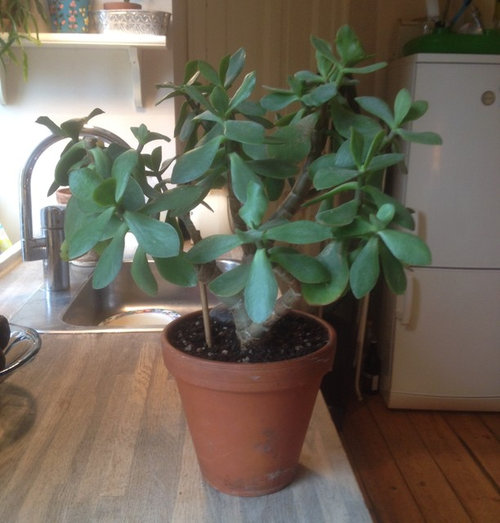
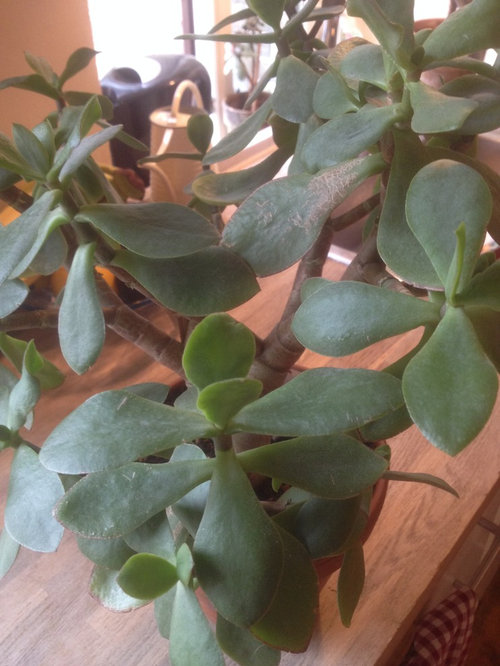
Advice on Crassula Bluebird problems.
9 years ago
last modified: 9 years ago
Featured Answer
Sort by:Oldest
Comments (9)
 9 years agolast modified: 9 years ago
Related Professionals
Crestview Landscape Architects & Landscape Designers · Ardmore Landscape Architects & Landscape Designers · Worthington Landscape Architects & Landscape Designers · Farmington Landscape Architects & Landscape Designers · Bowling Green Landscape Contractors · Elizabeth City Landscape Contractors · Oklahoma City Landscape Contractors · Memphis Landscape Contractors · Austin Landscape Contractors · Richmond Landscape Contractors · Colorado Springs Landscape Contractors · Glenwood Springs Landscape Contractors · Albuquerque Landscape Contractors · San Antonio General Contractors · Lewiston General Contractors- 9 years agolast modified: 9 years ago
- 9 years ago
- 9 years agolast modified: 9 years ago
- 9 years ago
- 9 years ago
- 9 years agolast modified: 9 years ago
- 9 years ago

Related Stories
FALL GARDENING7 Reasons Not to Clean Up Your Fall Garden
Before you pluck and rake, consider wildlife, the health of your plants and your own right to relax
Full Story
LIFEShare Your Winter Storm Jonas Photos and Survival Tips!
Let’s see your pictures and hear your ideas on how you’re keeping your house warm and staving off cabin fever
Full Story
CONTAINER GARDENS3 Steps to Creating Quick, Easy and Colorful Succulent Containers
Take a bright container, add a colorful succulent or two and have a professional, summery design in minutes
Full Story
HOUSEPLANTS8 Essentials for Healthy Indoor Plants
Houseplants add so much to our homes — and can thrive when grown in the right conditions. Keep these tips in mind
Full Story
GARDENING FOR BUTTERFLIES3 Ways Native Plants Make Gardening So Much Better
You probably know about the lower maintenance. But native plants' other benefits go far beyond a little less watering and weeding
Full Story
GARDENING FOR BIRDSWhat to Know About Birds Nesting in Your Yard
Learn how to observe, record data and help ornithologists with NestWatch’s citizen science project understand bird trends
Full Story
OUTDOOR PROJECTSBring In the Birds With a Homemade Bubble Rock
An avian expert from Southern Indiana shows how to make a burbling fountain that migrating birds will love
Full Story
GARDENING FOR BUTTERFLIESA Quick-Start Guide to Bird-Watching for Fun and Learning
Set out some seed and grab your field guide. Bird-watching is an easy, entertaining and educational activity for the whole family
Full Story
GARDENING GUIDESMake Your Garden a Haven for Backyard Birds
Create a bird-friendly habitat in your yard with food, water and shelter
Full Story
GARDENING FOR BUTTERFLIESBring on the Birds: Natural Habitat Ideas for Gardens of All Sizes
Provide nesting, watering and perching spots inspired by the Costa Rican jungle and watch the birds flock on over
Full Story



greenclaws UK, Zone 8a