

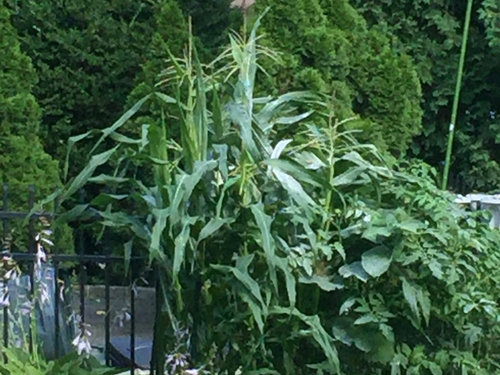
Corn hand pollination method recommendations.
9 years ago
Featured Answer
Sort by:Oldest
Comments (14)
 9 years ago
 9 years ago
Related Professionals
Pittsburg Landscape Architects & Landscape Designers · Atlantic City Landscape Architects & Landscape Designers · Chambersburg Landscape Architects & Landscape Designers · Tyler Landscape Architects & Landscape Designers · Gloucester Landscape Architects & Landscape Designers · London Landscape Architects & Landscape Designers · Victoria Landscape Architects & Landscape Designers · Vincennes Landscape Contractors · Amherst Landscape Contractors · Newark Landscape Contractors · Danville Accessory Dwelling Units · Fort Dodge Accessory Dwelling Units · Moline Accessory Dwelling Units · Albert Lea Accessory Dwelling Units · Bronx Accessory Dwelling Units- 9 years ago
- 9 years ago
 9 years agolast modified: 9 years ago
- 9 years ago
 9 years ago
- 9 years ago
 9 years ago
 9 years ago
 9 years ago
- 9 years agolast modified: 9 years ago
- 9 years ago
Related Stories
HOUSEKEEPINGDishwasher vs. Hand-Washing Debate Finally Solved — Sort Of
Readers in 8 countries weigh in on whether an appliance saves time, water and sanity or if washing by hand is the only saving grace
Full Story
SUMMER FRUITS AND VEGETABLESHow to Grow Your Own Fresh, Sweet Corn
Here's how to plant and care for your own mini cornfield
Full Story
GARDENING GUIDESHow to Grow a Flower Garden for Bouquets
Enjoy fresh blooms indoors, bring beauty and fragrance to your garden beds, and help support pollinators
Full Story
HOUSEKEEPINGHow to Clean a Glass Shower Door
See which tools and methods will keep those glass shower walls and doors sparkling clean
Full Story
FARM YOUR YARDHello, Honey: Beekeeping Anywhere for Fun, Food and Good Deeds
We need pollinators, and they increasingly need us too. Here, why and how to be a bee friend
Full Story
EDIBLE GARDENSGarden BFFs? Why Your Vegetables Are Begging for Companion Plants
Foster friendships among plants for protection from pests, pollination support and color camaraderie
Full Story
LANDSCAPE DESIGN10 Ways to Make Your Landscape More Environmentally Friendly
From creating wildlife highways to planting pretty pollinators, there are lots of simple ways to be green in the garden
Full Story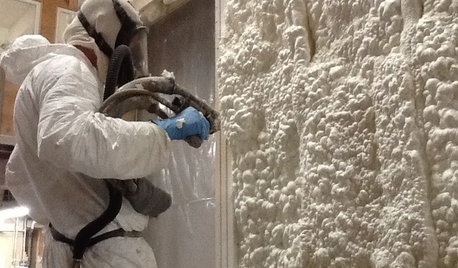
MATERIALSInsulation Basics: What to Know About Spray Foam
Learn what exactly spray foam is, the pros and cons of using it and why you shouldn’t mess around with installation
Full Story
KITCHEN APPLIANCESDisappearing Range Hoods: A New Trend?
Concealed exhaust fans cut visual clutter in the kitchen
Full Story
FRONT YARD IDEASBefore and After: Front Lawn to Prairie Garden
How they did it: Homeowners create a plan, stick to it and keep the neighbors (and wildlife) in mind
Full Story



gumby_ct