

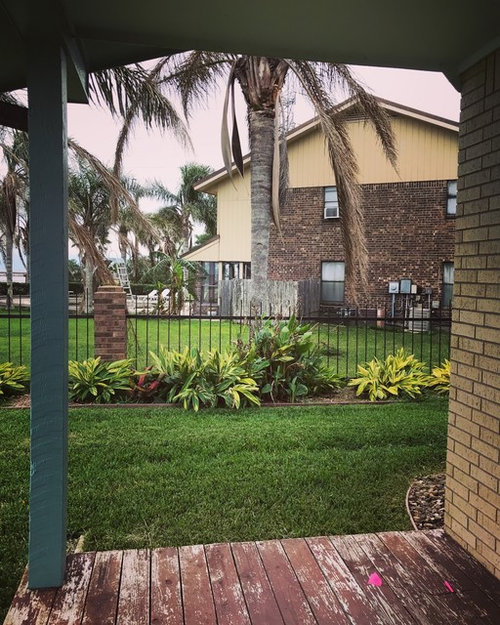
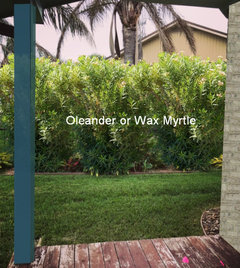
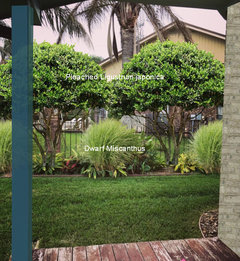
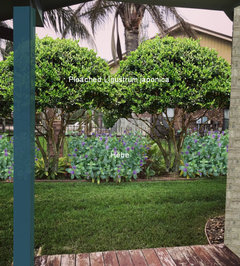
Help hide this!!! Need wind tolerant natural screen, Gulf Coast
8 years ago
Featured Answer
Sort by:Oldest
Comments (12)
 8 years ago
 8 years ago
Related Professionals
Norfolk Landscape Architects & Landscape Designers · Elizabethtown Landscape Contractors · Saint Cloud Landscape Contractors · Portsmouth Landscape Contractors · San Luis Obispo Landscape Contractors · Boston Architects & Building Designers · Hilton Head Island Interior Designers & Decorators · Middletown Interior Designers & Decorators · Grand Rapids Interior Designers & Decorators · Boston Kitchen & Bathroom Designers · Pueblo Landscape Architects & Landscape Designers · West Palm Beach Landscape Contractors · Mount Vernon Landscape Contractors · Elmira Landscape Contractors · Burlington Decks, Patios & Outdoor Enclosures PRO8 years ago
 8 years ago
 8 years ago
 8 years ago
- PRO8 years agolast modified: 8 years ago
- 8 years ago
- PRO8 years ago
- 8 years agolast modified: 8 years ago
 8 years ago
Related Stories
GARDENING GUIDESGrow Your Own Privacy: How to Screen With Plants and Trees
Use living walls to lower your home and garden's exposure while boosting natural beauty in your landscape
Full Story
GARDENING AND LANDSCAPINGBe a Citizen Scientist to Help Wildlife, Learn and Have Fun Too
Track butterflies, study birds, capture stars ... when you aid monitoring efforts, you’re lending Mother Nature a hand
Full Story
EDIBLE GARDENSNatural Ways to Get Rid of Weeds in Your Garden
Use these techniques to help prevent the spread of weeds and to learn about your soil
Full Story
GARDENING AND LANDSCAPINGScreen the Porch for More Living Room (Almost) All Year
Make the Most of Three Seasons With a Personal, Bug-Free Outdoor Oasis
Full Story
PETSHow to Help Your Dog Be a Good Neighbor
Good fences certainly help, but be sure to introduce your pup to the neighbors and check in from time to time
Full Story
MOST POPULARHow to Create an Inventory, Whether You're Naturally Organized or Not
Documenting your home items is essential, even if disaster seems unimaginable. And it may be easier than you think
Full Story
LANDSCAPE DESIGNNatural Swimming Pools: More Beauty, No Chemicals
Keep your skin and the environment healthy with a pool that cleans itself, naturally
Full Story
GARDENING AND LANDSCAPINGGrow a Lush Privacy Screen
No need to wait forever for patio privacy the green way. These 10 ideas will get your screening up and running in no time
Full Story
MOST POPULAR5 Ways to Hide That Big Air Conditioner in Your Yard
Don’t sweat that boxy A/C unit. Here’s how to place it out of sight and out of mind
Full Story
LIFEConsider Avoiding These Plants to Help Keep Your Garden Fire-Safe
Plants that accumulate dead material, are high in oil or have low moisture content in leaves put some homes at risk
Full Story
NHBabs z4b-5a NH