Software
Houzz Logo Print
jak4

Carrot root nematodes

8 years ago

Last year the carrots in my raised bed were misshapen and hairy. I believe the cause could be carrot nematodes. I'm thinking this year about planting in large pots with a growing mix to give my raised bed a chance to recover. Have any of you dealt with carrot nematodes?

Comments (11)

  • 8 years ago

    Hairy carrots could also be caused by excess nitrogen.

    Jak Perth thanked LoneJack Zn 6a, KC
  • 8 years ago

    I've noticed that carrots get hairy if they are left in the ground for months.

  • 8 years ago
    last modified: 8 years ago

    farmerdill, Thank you for the good link.

    I used to have those 'grooves' around the carrots near the top...not so much anymore.

  • 8 years ago

    Yes, thanks for the link..a good read. I don't think it is carrot fly causing my problem. No tunnels and the tops look completely healthy. I like the idea of watering with wood ash. I was wondering if I could soak the area with boiling water as it is only a space of four feet by four. I would then also remove the beneficial stuff too though, so then would have to amend with commercial compost I guess. Any thoughts?

  • 8 years ago

    The simple presence of hairy, misshapen carrots does not
    indicate nematodes; the more common characteristic of nematodes is the “knots”
    or bulges on the hairy roots or on the taproots themselves. Without those knots
    I would suspect something else as there can be many causes for hairy
    misshapen carrots. But you have not provided a picture, so it’s hard to tell.

    I do have nematodes, they rode in on a currant bush a few
    years ago and I have cursed the nursery I bought it from ever since. Thankfully the bed they are in is fairly
    isolated and I have been able to keep them from spreading to all of my beds,
    although they have spread to the nearest two.

    So first: if you do have nematodes practice good garden
    hygiene or soon all of your yard and beds will have them. That means
    disinfecting your tools thoroughly between beds, don’t just wash them off, and
    have a dedicated pair of gardening gloves you use for your infested bed areas
    but not for clean areas. Nematodes will
    spread from place to place on the tools you carry around.

    Secondly, dealing with nematodes: as unpleasant as it is,
    assume that they are here to stay and you are fighting a holding pattern. The only way I know of to kill them all is to
    heat-sterilize the soil, and in your zone (like in mine) that is challenging. I have had some good luck with knocking the
    population back a lot with a thorough soil drench of neem, which is organic and
    I believe allowed in Canada. Doing so allowed me a decent three-four months
    growing time in the infested bed before the ‘todes took over again. French
    marigolds (not the popular store-bought kind) are recommended, but have to be
    intensively planted – basically you would have a flowerbed there and nothing
    else. Other than that the common recommendations
    are to replace all the soil (remember the sterilization issue, if you leave any
    ‘todes in cracks/crevices you will have more later, so this is really hard to
    do). You can buy and disperse friendly
    nematodes and try to start a turf war; some people swear by this method. Most
    people simply buy varieties of vegetable that are resistant to the nematodes
    and learn to live with them.

    What I did: noticed the nematode knot damage, threw away a
    bunch of damaged carrots, used the neem drench, replanted carrots, got a small
    and disappointing harvest with some nematode damage but it could have been
    worse, in the spring planted French marigolds in the worst infested bed and
    resistant varieties of tomatoes and onions in the nearby beds. Going on year three now and still, no more
    spreading and so far so good. This year
    I am covering the infested beds totally with black plastic and will hope that
    total lack of any sustenance all growing season manages to starve all the
    little suckers. It’s a big sacrifice of
    garden space but since I am planning a move I am less invested in my harvest
    than usual. Maybe then the new owners
    will not have to deal with them.

    Good luck with your issue, whatever it is. I am still not
    convinced it is nematodes. If it happens again this year sending a pic would be
    great.

  • 8 years ago
    last modified: 8 years ago

    lilyd74, I believe that growing a green crop of white or brown mustard and chopping it up very well when about a foot tall and then working in the mustard is supposed to kill off a lot of nematodes.

    nematode supressor

    nematode supressor

  • 8 years ago

    jak, Be prepared for some who will jump all over what I am about to write. I am used to it here on GW whenever I mention the easy method to control nematodes. I speak from years of experience with the following method. Just give it a try, please.

    If planting a row crop subject to nematode infestation, open up the planting row, spread handfuls of granulated sugar along the row, sow seeds or plant seedlings, cover the row with soil, as usual. Water, and be prepared to surface spread sugar again over the area in about four weeks. If large areas are to be covered it is less expensive to substitute dried molasses for the granulated sugar. No, this method will not attract ants or cause any of the problems that negative persons will post here. It is a treatment that will have to be done every year.

    Last summer I was called into a new, large 36 garden box set up. All plant growth in them was very sad. I suspected nematodes had been imported in the new soil from somewhere. Did not wait for test results. We worked dry molasses into each garden box, 7# to each 4'x10' bed. In three weeks those beds exploded with healthy growth.

    A simple, organic method. Try it.


  • 8 years ago
    last modified: 8 years ago

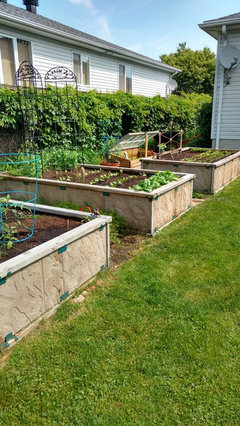
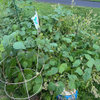
    This is a photo of my raised garden beds for vegetables. I like the advice I have gotten from you friendly folks. I am thinking of treating one bed with the neem drench, one with the boiling water, and one with the sugar! I'll keep you posted!

  • 7 years ago

    @Jak Perth: How did it go?

  • 7 years ago

    It always makes me wonder why people put so much effort in building those structures called raised beds? I agree, sometimes there are good reasons for doing that, but usually gardening in the ground could be much simpler and bring much better results. Personally I can't remember seeing really rich vegetation in any raised beds gardens that I have seen.

Sponsored
Industry Leading Kitchen & Bath Remodelers in Franklin County, Ohio