Software
Houzz Logo Print
boris_zakharin

First time growing tomatoes in ground, seeking advice

8 years ago

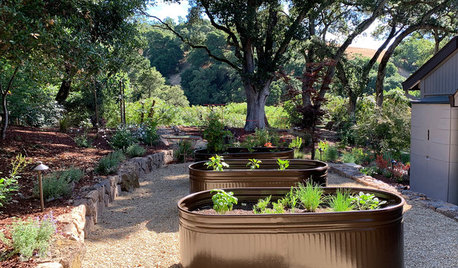
So I decided (a bit belatedly, but it's been unusually cool this spring, so I hope I'm ok) to have a small bed cleared out in my back yard to plant some tomatoes in addition to my containers. Since I'm not handy at all I've asked the company mowing my lawn (who also do landscaping) to do it. They haven't yet, but their plan is to get rid of grass, till the soil down to 6", and and "premium" topsoil on top. They claim I wouldn't need fertilizer in this setup, of which I'm dubious. I know there are many guides about growing tomatoes, but I'm not sure which would work best with my situation. I'm not even sure whether this would qualify as a raised bed or not. Do I need to test the soil pH? Add fertilizer? Mulch or compost? What about watering? I have a drip irrigation system for my containers. I could set up a similar one for this, but not sure what kind of watering schedule this will need.

In case it's important, my seedlings are Sun Sugar and Rutgers 250, both grown from seed.

Thanks in advance

Comments (12)

  • 8 years ago
    last modified: 8 years ago

    You won't need fertilizer for them to grow, but you will need it for them to thrive. Tilling to 6-inches is pretty minimal. Not sure how much topsoil they'll put on top, but you'd really like a foot of tilled soil under your plants. You could look at this as a slightly raised bed. Soil testing? Always a good idea, but probably a little late for you this season. Compost? Always, for the best soil structure. Best to dig it in before planting. Water when the bed is dry, and or when the plants are starting to look limp.

  • 8 years ago

    A lot rides on the “Premium “ topsoil, what your landscaper knows about it and possibly more to the story. But 6” is about right. I know a lot of people would like more but average plow depth is 6 to 7 “ . In fact soil tests assume 6 2/3” (which roughly translates to 2 million pounds per acre) in order to make fertilizer recommendations.

    After your landscaper prepares,plants and waters your plants to establish the rest is usually up to you. You may never need to water if rainfall is adequate. I have never in 30 years watered thousands of field planted tomatoes.

    In my opinion (others will disagree) you will need support for the plants to keep fruit off the soil. SunSugar, a high growing indeterminate plant should be staked whereas Rutgers, a determinant growth habit plant, could get by with a cage.

    When you water you could include some water soluble fertilizer if plants look a bit pale but by the end of this growing season you might consider a soil test to tell you how to best get that “Premium “ soil adjusted for next year.

  • 8 years ago

    Just to be clear, I'm planting the plants myself. The landscaper only creates the bed for me.

  • 8 years ago

    Don't get to overwhelmed by trying to do it perfectly the first time. Gardening in general is one long learning experience. Take what you have now (or are going to have when your people are done), and enjoy the experience of learning what works and what doesn't. Try not to make it too complicated - getting into pH levels and irrigation and strict fertilizing schedules will make it more stressful than enjoyable - and you'll learn all of that stuff as you go along. Plants want to grow, and unless you're actively doing something that is counter to that want, most plants will do just fine without you becoming a soil scientist or a chemist. Especially tomatoes, they're pretty tough plants (and cherry tomatoes are practically fool proof, IMHO).

    I'm basically growing tomatoes in the desert in decomposed granite. Isn't New Jersey the garden state? Plop them in there, water when the soil is dry when you stick your finger in it or they look like they're thirsty, fertilize if they start looking a little worn midway through the growing season, and enjoy the growing and learning process. Ask questions if something comes up you're not sure about. My two cents, anyway, make it fun, not stressful.

  • 8 years ago

    I suggest fertilizing with Tomato Tone or lightly with 10-10-10 about 3 weeks after they are planted, then again in mid-season. To prevent blight it's a good idea to spray with an anti-fungal as soon as they're planted and again every 3 weeks. I use Diazanon.

    John A

  • 8 years ago

    I have always been reluctant to add fertilizer after planting. Wouldn't that harm the roots? With my potted tomatoes I use Osmocote before planting and then add an inch or so of potting soil mixed with another dose 6 weeks later (plus water soluble Miracle Gro).

  • 8 years ago

    Tomato Tone is an organic and won't burn your plants. If you use a commercial fertilizer put it around the drip line and keep it away from the stem.

    John A

  • 8 years ago

    I mean all the digging and mixing of the soil would harm the roots

  • 8 years ago

    hmm, the instructions for Tomato Tone say "Apply 3 lbs. (9 cups) of Tomato-tone per 50 sq. ft. or 3 tablespoons per plant, and work into the top 4 to 6 inches of soil."

  • 8 years ago

    You're reading the soil preparation instructions. You want the feeding instructions -

    Feeding
    Rows : 1 cup each side per 5 feet of row.
    Single Plants : 3 tablespoons per plant.
    Potted Plants: Apply 1.5 teaspoons per 4″ of pot diameter (1.5 tablespoon per 12 inch pot diameter).

    Application Methods
    Apply in a narrow band around single plants or along each side of a row. Keep Tomato-tone at least 3″ from stem.
    Potted Plants: Apply evenly over soil and gently mix in.
    Water thoroughly after feeding.

  • 8 years ago

    For granular fertilizer, scratch it in to the very topmost layer of soil--not more than an inch down.

    Or you could use liquid fert. It works very well in-ground, not just in containers.