Software
Houzz Logo Print
foragedlawn

Cleared understory, now what

7 years ago

http://imgur.com/gallery/64VN9sX
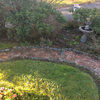
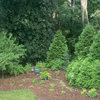
Attached link is what i have cleared. The ground is heavy clay and hard and does bot soak water up much at all. The property has contour so water flows across surface eventually to stream. I knew i wanted to clear the understory out to give us more use of the 4acres we have which is mostly wooded. I kept all mature canopy trees which are maple, poplar, black locust, elm and sweetgum. The understory is alot of briar and other unknown shrubs.
My plan was to create some channels to get water running underground but that crosses our septic area so maybe outside my skill set. The other plan was to chip/ shred and spread as mulch around cleared area for a few yrs to build up soil.
Did i get carried away on my tractor tearing the area up with the front end loader? Im feeling a bit uneasy about my plan or lack of plan.. i now have this cleared forest area but not clear on what i should do next.
Long term goals for area, play area for kids, rebuild soil, plant new understory of natives, get water moving from areas that flatten and pool water after rains. We do have deer through here so need to be considering deer resistant plants... again my soil is just pure clay.. no real top soil loam.

Comments (11)

  • PRO
    7 years ago
    last modified: 7 years ago

    In spite of the fact of the soil being clay, many things will grow, as you have witnessed. Weeds will return. I would apply glyphosate to any low growth that remains in order to kill it off, and then mulch the area heavily with the free, shredded, power-company mulch. Maintain it weed free for a while and contemplate what low growing groundcover would do a good job of covering the ground such that you won't need to replenish mulch on an ongoing basis, and the ground area will be green and lush.

  • 7 years ago

    Where are you located?

    When I looked at the picture at the link you posted, the thing that struck me is that, of the 4 levels of a woodland (canopy trees, understory trees, shrub layer, groundcover) you now only have one! If you have deer, I assume you also have ticks and that the ticks would be a concern for you...? Are there particular paths through the woodland that you would use regularly, either because the path takes you from one place of activity to another or because it's a scenic route? I'd make paths very broad - at least 10-12' wide - to make moving equipment along them easier and also to stay away (as much as possible) from things that may drop ticks on you. For paths like that, a good base of road-base gravel with a topping of screenings gravel or other fine, 'sharp' gravel would make walking on it easier and be good for drainage. Decide on suitable understory trees and shrubs and start planting those. A layer of mulch on the ground as Yardvaark suggested would be good while you are considering what groundcover(s) are suitable. The trees leaves that fall in autumn will be good mulch too - I'm surprised that there was 'no' good soil as there is almost always a good layer of duff from years of decomposing leaves in a forest.... Have fun!

  • 7 years ago
    last modified: 7 years ago

    Thx for the insights. The area is slightly contoured down so im thinking the rains may keep the ground "flowing" and taking leaves with the water. We just moved in to place 2 months ago. It has been raining a lot here in Ohio. No paths around property until now.. it was heavily overgrown and unkempt. I watched water coming out as a river from a few points that are in this picture. We do have deer and ticks are so far very minimal.. being rainy and wooded we have had a the mosquito tick prevention done and it has worked amazingly. I am yet to find a tick on any of us and mosquitos are non existant.. i am on the fence using a pesticide but pre spraying the mosquitos where in swarms so maybe this is the one time im ok with chemicals.

  • 6 years ago

    I know I am late to the party, but...

    The chemicals will affect the good insects as well no matter what the manufacturer/applying company says, so I would honestly steer away from those. If you are lucky, you have opossums in the woods and they will eat thousands of ticks. The birds will help with bugs, too. I was just reading about the effect pesticides and light pollution have affected lightning bugs which used to fill our summer evenings when I was a child. Now, we are lucky to see numbers in the single digits.

    I agree with others that mulch is great while you are deciding what to plant. Here in Virginia, we have poorly draining arell clay. We also have a steep hill out back with a three level backyard and heavy rain runs down like a raging river nowadays. If you watch where your water is flowing, you could plant around that and create a dry creek bed to channel the water some. That is what I am hoping to do this spring.

    I hope you will come back with photos during and after you finish your project.

  • 6 years ago

    Lol do not weep. No roundup is used or will be. It was good move clearing the area out. i did not care what understory was there because.. well its my property and and im doing what i want with it. We did one app of mosquito spray then called that off and installed 4 bat houses. We brought in about 80 yards of composted mulch to lay throughout the area. Planted elderberry bushes, hickory, pear, apple, peach, pawpaw, persimmon, boarge, comfrey, raspberry, blackberry, blueberry, strawberry, and plenty of nitrogen fixing. We also added myoga ginger plants through alot of the area.. my goal is food forest. The understory on our property is primarily briar, some spicebush (we keep) hawthorn, and ivy. We are being custodians of our land and improving it greatly. We boardered all of the wooded area with native pollinator seeds we collected in fall from meadows in our area. The branches and fallen dead trees we have pilled up and created multiple huglculture beds as well as mushroom logs... no need to weep and be worried about what i am doing with MY property, we have it under control and creating our own self sustaining paradise.

  • 6 years ago
    last modified: 6 years ago

    Phew. My day is not so bleak! Although your emphasis on your control over your own property does give me pause. You do concede its connection to the land around it snd your responsibility toward the larger whole, no?

  • 6 years ago

    Oh, nice-bat houses. We used to see a lot of bats on summer nights, but they too are rare now-too much development, I fear, combined with neighbors who never met a pesticide they didn't like.

  • 6 years ago

    The front tree in your pic with the vine growing up it, looks a bit like poison ivy. Hard to confirm without closer pics, but you mentioned you have kids so it may be worth looking into and carefully removing and disposing (never burn poison ivy). At least near the areas where your kids play. I imagine they would already love to play and explore the woods and make forts, look at bugs etc..

    If you are putting wood mulch down in an area, have you considered some adding some balance logs for the kid(s) and maybe a swing or hammock?

    Love your food forest, I imagine you may be sharing some produce back with local wildlife though.

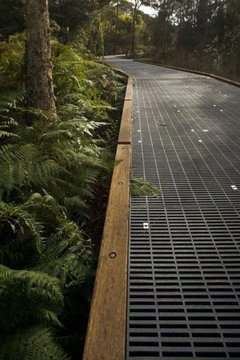
    If you are considering a path or a shaded gathering area, have you considered an elevated walkway or deck that wont affect the drainage and will limit the impact on the ground cover vegetation? Clay will just get more compacted if you keep walking on that area, and continuously amending the soil with sand and compost may not be desirable for such a large area. I'm not sure who designed this, but it is a beautiful example.


  • 6 years ago

    That walkway is marvelous!

    Just a note though, don't add sand to clay! Gypsum will work to break of the clay and improve drainage. I have done that here and need to do more areas as I also add more compost.

  • 6 years ago

    Cyn427 Youre right, a significant amount of sand would be needed to change the soil texture. Too little sand, or too fine, and it would be concrete. Gypsum or even pea gravel would work better for drainage, but my main point was that working with the existing conditions rather than against may be easier in the long run.

Sponsored
Peabody Landscape Group
Average rating: 3.5 out of 5 stars8 Reviews
Franklin County's Reliable Landscape Design & Contracting