Software
Houzz Logo Print
whitemow

How to rebuild lawn

7 years ago
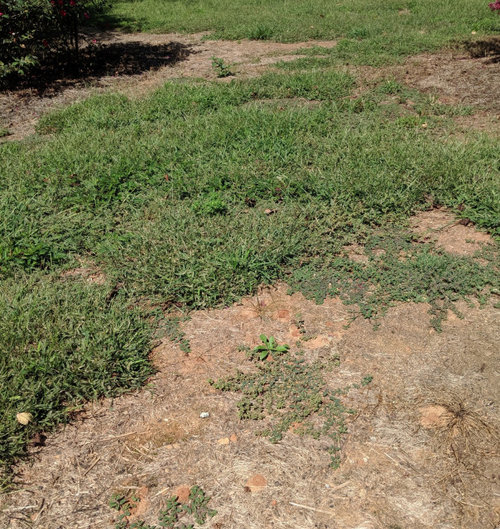
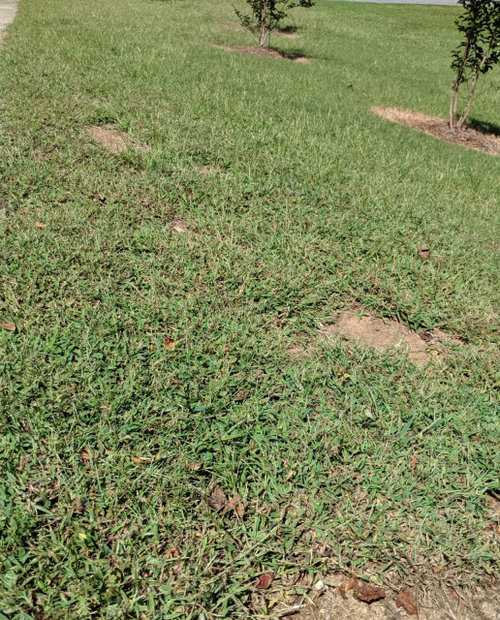
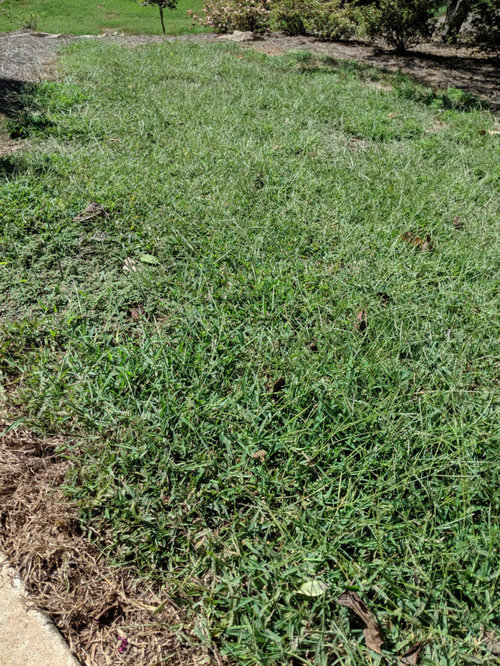
We had fescue in our lawn (aerated and overseed in Spring this year). Now it only has weeds. We plan to kill all the weeds and rebuild the lawn again. After killing the weeds, what do we need to do before putting fescue seeds? We are near Atlanta area.

  • Do we need to till the soil?
  • Do we need to verticut the lawn, then remove the dead weeds?
  • Do we just remove the dead weeds? We may not be able to hand rack all the dead weeds. Any suggestion on power tool/machine

?


Your help is much appreciated.

Comments (6)

  • 7 years ago

    Hi! I'm doing the same so I hope this thread is interesting. I tested my soil with a home test kit (some say this is a bad idea) and it's basically depleted of everything. Plus it's mostly clay. I live in Los Angeles and am told this is common. So it's pretty hard for roots to get in to.

    I'm planning on tilling in some TurfAce to fight compaction, sphagnum peat moss, compost, possibly manure, and possibly fertilizer. I'm hoping to plant seed but could be convinced to go the sod route - though not before I verify it won't just die - this is what usually happens to this lawn.

    Would love help with amounts, percentages, etc. which I assume will all be very useful for the O.P.

  • 7 years ago

    " some say this is a bad idea "

    This is a bad idea. :-)

    I don't recommend tilling in peat, compost, manure, or some kinds of fertilizer. All of these things require oxygen and some require more nitrogen over time than you can give them.

    Plus tilling is a sure-fire recipe for an eternally bumpy soil.

    Particularly as that compost decays off to nothing and leaves you with settling, bumpy soil.

    There are ways to increase soil fertility and organic material without those problems, but they require two things humans completely suck at. Time and patience.

  • 7 years ago

    Joe, you have a completely different situation from this topic. Don't do what you're thinking of doing. Would you mind opening a new topic for your issues? When you do, please describe where you live (Los Angeles is too general) and tell us what kind of grass you would like to have. How have you been watering?


    BW, I can't see anything in your pictures. It looks like it's all grass with a few bare spots. Would you mind taking them again on a cloudy/overcast day to eliminate the bright sun and shadows? Also zoom in on the grass and weeds so we can see them.

    Spring is a poor time to aerate and seed. September is the time for you. Can you tell us how you watered it over the summer? Include rain info as much as you can remember. Did you use any herbicides or insecticides over the summer?

    Generally the approach is to kill only the weeds, twice with frequent watering in between sprays. Then roughen up the bare spots, seed, roll or walk down the seed to make good contact with the soil. Then water it 3x per day (breakfast, lunch, and dinner time) but very lightly. The soil should never be mushy or soggy. If you seed fescue, it takes 2 weeks to come in to about 80% germination, so keep the watering going. After you get to 80% you can back off on the frequency but go up on the duration. When you seed you can put down either starter fert or any organic fertilizer. The seed has plenty of nutrients built in to carry it over for weeks after germination, so don't get excited if you don't get the fertilizer down right away. When the grass is up to 5 inches you can mow it back to 4. By the end of the growing season you should be watering about 1/2 inch about every 3-5 days. Next year you will not water this frequently.

  • 7 years ago

    Thanks dchall_san_antonio for the detail seeding information.


    From the distance, the lawn does look green but mostly weeds. It was good after the aeration and reseeding until beginning of June. We were out for 10 days. The temperature was abnormal and over 90+. We continued the weekly watering when we were back, but could not save the grass. I used herbicides once over the summer.


    After I killed all the weeds. Do I use verticutter to remove the dead weeds and touch/cut the top of the soil for reseeding?


  • 7 years ago

    Well, if you are looking for good news, your weeds have a disease. ;-)

    I would use Weed-b-Gon Chickweed, Clover, and Oxalis Killer right away. Some of your weeds are oxalis and that can survive regular Weed-b-Gon. That will take care of the broad leaf weeds for this season. Then you can see what you have left. What you have left will be grass and grassy weeds that the WBG-CCOK won't touch.

    If you are still thinking you need to till, I'll upvote morph's advice against it.

    Seems like you really want to rent a verticutter. Once the weeds are dead, if they are really dense, try raking them out. If that turns into a much bigger chore than you thought, then sure, get the verticutter or vertical rake or even a slit seeder. All those have the same basic adjustable rolling slicer blades. When you have the final version of your lawn with no broad leaf weeds, you can evaluate whether you have enough grass to save. If it all seems like weeds, then Round Up might be needed. In your second sentence on the OP, you said it was all weeds. If that is really true, you can skip the WBG and go straight to Round Up and verticutter.

    Here's how to do the RU treatment. Water it good first. After it dries, spray the RU. Let that dry and then start watering as if you had already seeded new grass. Water lightly 3x per day for 5-15 minutes. Don't let it get soggy. After a week of that you should have new weeds growing. Spray again with RU. Continue the daily watering another week and spot spray anything green toward the end of the second week. By doing this you should be able to germinate all the weeds that might have germinated while you were watering the actual lawn grass seed. Rake out the dead stuff and evaluate the remaining surface for drainage. THAT is the time to get the drainage right. All you have to do is scrape off the high spots and fill in the low spots. If your soil is higher than the surrounding concrete or asphalt, consider removing it down to the level of the hardscape. If water does not drain away from the house, you might need a professional (with a tractor (not bobcat or skid steer) and box blade) to fix that for you. Never get tempted to rototill in preparation for a lawn. I don't like rototilling for a garden, but tilling for a lawn is worse.

  • 7 years ago

    Now, I have a plan :) Hope I do not need to rent verticutter. Once the grass seeds grow, I may come back for regular weeds control advice.


    Thanks dchall_san_antonio for the advice.