Software
Houzz Logo Print
hzdeleted_50078653

Walkthroughs before putting house on the market

6 years ago

We're thinking of selling our house in a year or two, and are weighing what work would give us the best return on investment. We've debated having a realtor friend of ours or a home inspector do a walkthrough and give us a list of things that we are missing. The things that are obvious to folks that don't live in the house. Then we can weigh what we want to update, replace, fix, etc, vs what we are okay with negotiating the price down on.


There are quick fixes to a few things, wear and tear of daily life, but we don't want to sink a lot of money into work that we could use in a new place down the line.


(Examples: new hot water tank? Sure. kitchen/bath updates? Maybe. New Roof? Probably not.)


Which seems more prudent, a realtor who daily sees peoples whims and what turns people off, or an inspector who might catch a more technical problem that we aren't seeing ourselves?


Note: We did have a home inspection when we moved into this house, caught a few things. The previous owner paid for some of the fixes, we took care of a few of the inspector's recommendations. I expect that a future buyer would want to do the same.

Get a realtor to walkthrough for current buyer concerns
Get a home inspection for unseen technical/structural problems
Both - Cover all bases
Neither - just sell the damn house and stop overthinking it

Comments (13)

  • PRO
    6 years ago

    I would just do the basics. Unclutter the home. De-personalize it. Make sure the house has a deep clean before hitting the market. Fresh paint. Fix any obvious handy-man issues ie - loose door knobs, towel bars - things that will make the potential buyer assume the house has not been taken care of.

    Yard clean up so that the house feels welcoming when pulling up.

    User thanked Barnes Custom Builders
  • 6 years ago

    Agree with sushipup1. Do get an inspector though so you can repair the items that need repair. You may already know most of those items.

    As to the example of a roof replacement - this is regional I suspect. In my area a shingle roof beyond 20 years old is a huge selling issue because I'm in a hurricane zone (S Fl). If the roof isn't replaced, it will create a problem when putting it on the market unless you are willing to sell it for much less than what the roof repair will cost. This is an insurance issue that directly impacts the sales price. Another issue we have here are the electrical panels that are considered high risk: Federal Pacific or Zinsco or Sylvania or ITE/Bulldog Pushmatic. These panels make the house un-insurable and difficult to sell.


    Find out now if you have any issues with your home that need repair to make it marketable.

    As to cosmetic items, I agree with the sentiment to not spend a great deal of money on anything for changes. The best ROI you can get is when you clean and organize your home from top to bottom. Fresh paint and landscaping and sprucing up the front door/porch area also give a great return.

    User thanked Denita
  • 6 years ago
    last modified: 6 years ago

    I voted neither. You really don't need to overthink it. Living there, you know if your major systems need to be fixed or there are any outstanding big issues (e.g. leaking in the basement, roof needs repair, etc) -- it's paying someone to tell you the obvious, plus the buyer will have their own inspection anyway. Spic-n-span it top to bottom, de-clutter, and fix any minor things that need it (e.g. loose baseboard, scuff marks on floor paint touch-ups, etc) -- you've got a pair of eyes, so use them.

    User thanked porkchop_z5b_MI
  • 6 years ago

    I wouldn't overthink it. My mom in the past few years had some work done in her house with the thought that she may want to sell and move into a smaller place someday. Had some Diy electrical redone, it was done by dad that used one too many extension cords rather than wiring properly. Had a room remodeled, 1970's paneling removed in one room and partially rebuilt.

    User thanked Izzy Mn
  • 6 years ago

    We had an inspection done. Some code changes were made in the 20 years we owned the house, such as additional GFIs and fireproofing under the stairs. Smoke detectors older than 10 years needed to be replaced. Even though the buyer would have their own inspector, we wanted to ensure that CO approval would not be an issue.

    User thanked Gerry
  • PRO
    6 years ago
    last modified: 6 years ago

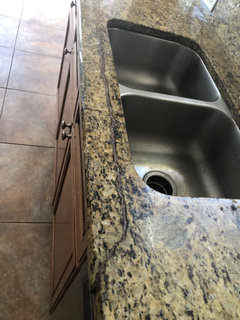
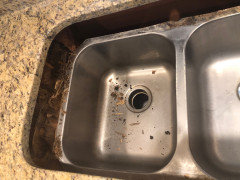
    Take a look at your undermount sink if you have one. If there is black/brown gunk that recurs no matter how much you clean, your sink is leaking. Leaking sinks can blow up your reinforcement rods if you have natural stone.


    Drop the sink, clean and silicone the flange, and strap the sink in place please.

    Blown rod and rotted cabinet from leaking sinks. Note the brown gunk on the sink flange; that's why you can never clean it.

    User thanked Joseph Corlett, LLC
  • 6 years ago

    I almost always advise my sellers to get an inspection prior to listing it. Why would you hand over this leverage to a buyer, by giving them a reason to ask for a price reduction or to ask for silly repairs. Keep these things under YOUR control by being able to do the repairs on your timeline and with the vendors of your choosing.

    And then, you can use the Pre Inspection as a great marketing tool to help with the sale.

  • 6 years ago

    I'd ask a good realtor who is familiar with your neighborhood to give you a quick assessment. I would never spend big $$$ to sell but savvy realtors can provide helpful suggestions for low/no cost improvements (paint, landscaping, etc.). Then you can slowly implement the advice, rather than killing yourself when you're ready to list the house. Just before you're ready to list, you could consider paying for a home inspection to identify any red flags, particularly if you've lived there a long time. BTW, if you need a new roof, you need a new roof. Lenders often will not loan on a house with an old roof and it surely will come up in an inspection. It's a "pay me now or pay me later" situation. Let your realtor guide you.

  • PRO
    6 years ago

    As a Realtor myself, I love it when clients call me a year in advance and before they start doing a lot of necessary updates. A good Realtor will be able to walk through and give you great suggestions to make your house sell faster and for more money.

  • 6 years ago

    "And then, you can use the Pre Inspection as a great marketing tool to help with the sale."


    And also the list will identify deficiencies which you must disclose in virtually all jurisdictions!

  • 6 years ago

    Fix any niggling things that you've been putting off, making sure the house functions well and there are no major repairs (other than your roof) that will jump out at prospects. Start weeding through your stuff and eliminating what you don't want to move when you go. Pare down, pack up and find a good storage facility if you have lots of stuff you want to keep. Buyers want to see your house, not your stuff. So, start taking your personal fingerprints off of it and preparing to transfer your goods to a new home, and for now, to a temporary location. Go visit some staged open houses in your city and see what's going on in the market where you live. Take notes and names. Hopefully, your realtor friend is the best one in town. You are kind of stuck using them if you start tapping into their expertise now, and they may not be the realtor who can sell your home. Then, before it starts showing you want to clean it until it shines and buyers can be convinced it has barely been lived in. Ask a trusted friend to do a drive by and honestly evaluate whether they would want to see inside based on the curb appeal. That is where you pull buyers in to see, but then you don't want them to be let down by the interior. Neutralize, sanitize, and realize that your home can't be imagined as their home if there's just still too much of you in it.

  • 6 years ago

    Stax, I said "Almost all sellers". If they agree to repair any big items prior to sale, then it is best to take care of them yourself as opposed to giving that leverage to the buyer.