Software
Houzz Logo Print
jen_ratner

LVP buckling and leveling cement under it cracking

5 years ago
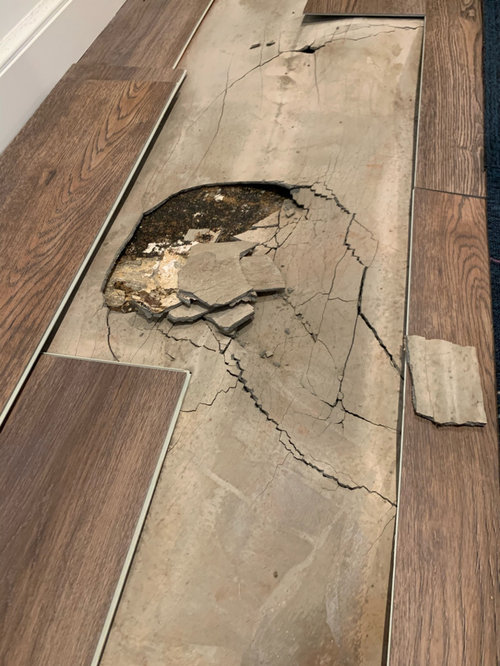
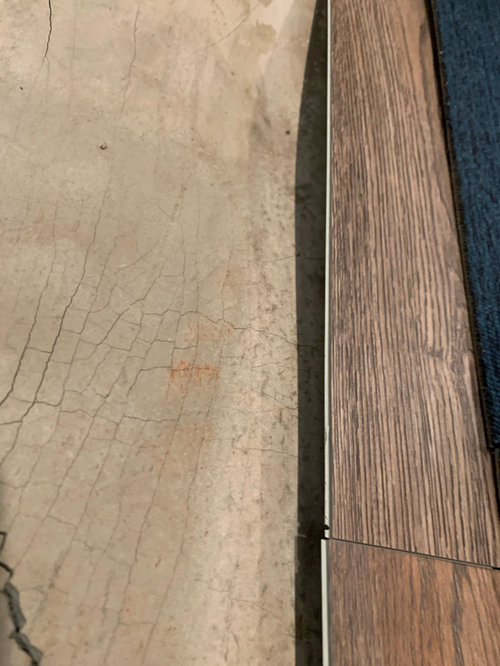
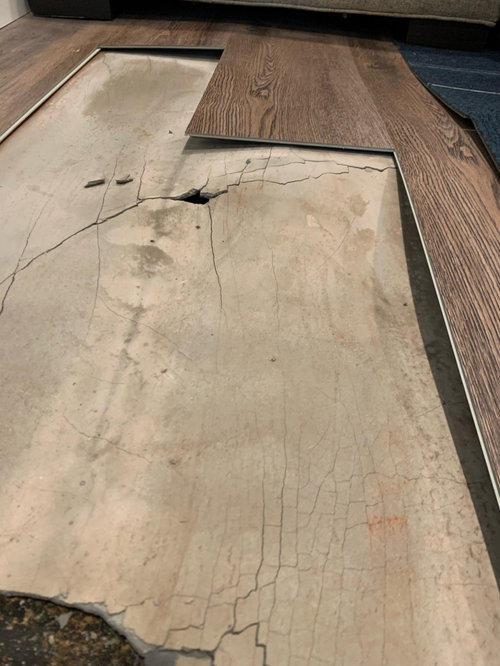
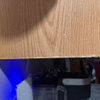
I installed luxury vinyl planks with a good thickness in my basement this past winter, in New York State. My contractor put leveling cement over my existing concrete floor before laying the planks. We had no issues until the middle of the summer when many of the planks started buckling. We then started noticing not just buckling but a true bubbling of multiple planks in an area. This morning my kids were in the basement Playing and noticed that a few of the planks were actually detached. I peeled the planks away and noticed that the concrete underneath them, the one that was laid to level the existing cement floor, was all bubbled and cracked. I tapped on it and it seemed hollow and immediately shattered. I am attaching photos below. This is in a basement which is below ground, but we have a dehumidifier running, starting in mid July when we noticed the buckling to start. What could have gone wrong with the leveling cement? Did I not use a dehumidifier soon enough? I know that the luxury vinyl planks are waterproof, but should they not have been installed in my basement? I’m second-guessing my choosing this product and not going with an industrial carpet that didn’t have any products that could expand or contract due to the seasons.

Comments (21)

  • 5 years ago

    No moisture barrier under the flooring? Pretty much guarantee that there is moisture coming up thru the concrete floor. How old is the house?

  • 5 years ago

    https://images.homedepot-static.com/catalog/pdfImages/53/53c4f0ae-384b-4f97-8bbe-8d8df6a4b447.pdf

    The installation guide doesn’t say it needs a moisture barrier???

  • PRO
    5 years ago

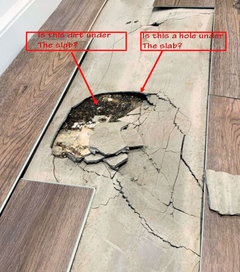
    It's a rat-slab over dirt, I see this often on homes built in the 20's n earlier. Some of the dirt probably washed away and it's all hollow under there.

  • 5 years ago

    The foundation is from 1937. It was a good foundation, but needed some leveling, so my contractor poured self leveling cement. Would you not have done this??? Is this a lost cause? It’s worst in the pictures above but it’s occurring in about 4-6 locations around the basement.

  • PRO
    5 years ago

    JR it's not the leveling cement, it's the slab failure.

    There is no structural integrity in a slab, it's like walking on thin ice it cracks as you walk on it and it breaks if you jump on it over the right spot. If you look at the slab, the concrete is probably 3/4" thick maybe 1" not to mention it's old and brittle.

    If it's a finished basement we always take the rat slab out and put a min 2" slab with 6 mil plastic and add reinforcement like fiber mixed into the mix.

    I don't know if you have the budget to take a slab out and re-pour a new slab, that would be the right way to do this... If there is no budget to do this, the only thing you can do is spot-fix but there is no guarantee it will not fail again in a different location.

    Good luck

  • 5 years ago

    Slab failure? Do you mean the foundation?

  • 5 years ago

    The slab underneath the cracked leveling cement is 100% intact.

  • PRO
    5 years ago

    If the answer to both of my questions is YES, this slab needs to come out. Period.


  • 5 years ago

    No! The black part is the original concrete foundational slab.... been living here 6 years. For the first 5.5 years, this slab was exposed and never had issues. It’s thick, deep and solid. A self leveling concrete was put over it to lay the LVT.

  • 5 years ago

    Hmmn My question is then, why is there all that dirt there underneath the leveling compound?

  • 5 years ago

    It’s not dirt. It’s just stained and old foundation. Totally solid. Just discolored. There used to be industrial carpet on it, so it must be old glue that didn’t scrape off.

  • 5 years ago

    There there is massive amounts of moisture coming thru the slab, since it is from the 30's there is no vapor barrier. Installation error with no warranty on the product. The slab needed some sort of waterproof barrier. You just capped the moisture and it popped the SLC and thus the flooring. Complete toast and start over.

  • 5 years ago

    Ugh. Got it! Thank you for explaining. So the moisture barrier would be for the original foundational slab, not necessarily for the LVT. That makes sense. Would a dehumidifier running all the time have made ANY difference? Or this was bound to happen regardless bc of the slab?

  • 5 years ago
    last modified: 5 years ago

    The slab itself is just a slab. It is not part of your foundation. The foundation is under the wall part, and what holds your house up. The slab isnt holding anything up, except the furniture etc you put on it. A dehumidifer may have slowed it down some, but, yes, it would probably have happened anyway. Also, if that is old carpet glue, that should have been all scraped and cleaned up, before you put the planks down.

  • 5 years ago

    " Would a dehumidifier running all the time have made ANY difference? Or this was bound to happen regardless bc of the slab?


    No to a dehumidifier and yet it was doomed from the start.

  • PRO
    5 years ago

    I would investigate the installation of the SLC. Was the slab ground? All oil and dirt removed? Was a primer used? After SLC is poured, was the bonding inspected? Did the SLC dry for the recommended timeline, before covering it with new flooring? Depending on the quality of the SLC, it can take anywhere from 16 hours to 5 days of drying before you are able to cover it. Investigate the installation of the SLC. The bonding error maybe caused by the installer. Which caused the mess you currently have.

  • 5 years ago

    I am sorry this happened to you! We have a 1916 house where we installed LVP in the basement five years ago. We too needed a lot of self leveler (in addition to having to completely repour a 10' by 10' area in one place). The one thing that I remember is that we had to wait quite a while (perhaps 10 days to 2 weeks) after the self leveler was poured before the LVP was installed. We've had no problems at all. Did your installer wait for a significant amount of time to let the self leveler completely cure?

  • 5 years ago

    I have been following because I have plans to “semi finish “ our 1930s basement. And I am sure there’s no vapor barrier underneath!


    do you really use vapor barrier paint between the concrete and leveling compound? Or am I reading that wrong? Would a poly barrier over the leveling compound work ? Or do you want to finish the floor somehow so it is able to dry to the interior?


    Our floor right now is dry most of the time. We have a perimiter drain install and other waterproofing scheduled soon.


    I am not sure if we’ll try to do any of the leveling or just hire it out but I’d still like to understand how this could work! Sounds like a lot of pitfalls

  • PRO
    5 years ago

    @roccouple If there is no moisture barrier under the slab and you need to use the floor leveler, you clean and prep the concrete floor first to apply bonding agent (follow the specs how to prep the concrete surface on the bottle)... and after you leveled your floor and it's all dry, use 6 mil poly as the moisture barrier and overlap the seams and tape them.

    Some people use underlayments, this already has moisture resistant properties and at the same time, they can insulate the floor, and it's more comfortable to walk on it... Cork underlayment has been popular for that.

    Some flooring already has a factory attached pad and some people installing more padding under it, so when the padded floor is installed over another underlayment most likely it will weaken the flooring joints from underneath causing the joints to separate.

    Just follow all the manufacturer specs on everything you use.


  • 5 years ago

    thank you so much GN builders! will maje sure we follow directions. i was interested in cork flooring but not sure what will be practical for us.