

Electrical advice
6 years ago
Sort by:Oldest
Comments (5)

Related Stories
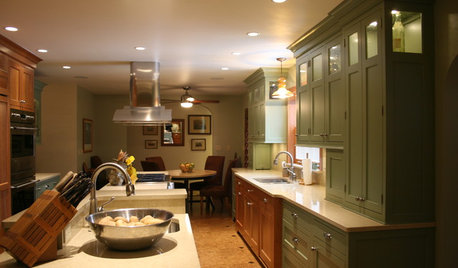
KITCHEN DESIGNSmart Investments in Kitchen Cabinetry — a Realtor's Advice
Get expert info on what cabinet features are worth the money, for both you and potential buyers of your home
Full Story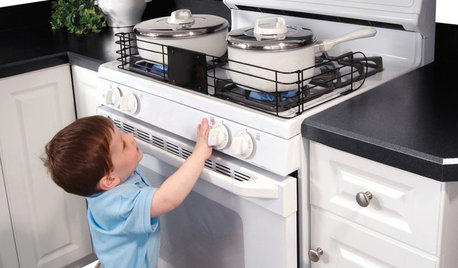
HEALTHY HOMEHow to Childproof Your Home: Expert Advice
Safety strategies, Part 1: Get the lowdown from the pros on which areas of the home need locks, lids, gates and more
Full Story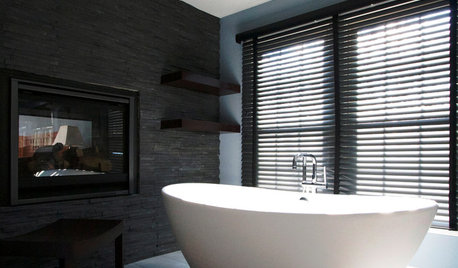
BATHROOM DESIGNDreaming of a Spa Tub at Home? Read This Pro Advice First
Before you float away on visions of jets and bubbles and the steamiest water around, consider these very real spa tub issues
Full Story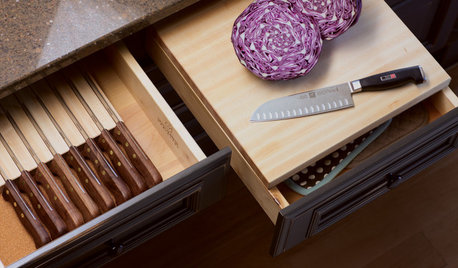
KITCHEN STORAGEKnife Shopping and Storage: Advice From a Kitchen Pro
Get your kitchen holiday ready by choosing the right knives and storing them safely and efficiently
Full Story
THE ART OF ARCHITECTURESound Advice for Designing a Home Music Studio
How to unleash your inner guitar hero without antagonizing the neighbors
Full Story
ACCESSORIESEasy Green: Cut Electricity Use With 15 Unplugged Home Devices
Crank up the energy savings, courtesy of household items that come into power the old-fashioned way: manually
Full Story
LIVING ROOMSHow to Convert Your Wood-Burning Fireplace
Learn about inserts and other options for switching your fireplace from wood to gas or electric
Full Story
LIFEHow to Prepare for and Live With a Power Outage
When electricity loss puts food, water and heat in jeopardy, don't be in the dark about how to stay as safe and comfortable as possible
Full Story
HOME TECHPlug Into Home Power Monitors That Pay for Themselves
Stop throwing away money on wasted electricity with help from new monitors that work with your phone or computer
Full Story
BATHROOM DESIGNWarm Up Your Bathroom With Heated Floors
If your bathroom floor is leaving you cold, try warming up to an electric heating system
Full Story

greg_2015
RobertOriginal Author
Related Professionals
San Bernardino Bathroom Remodelers · Waco Interior Designers & Decorators · Kearney Interior Designers & Decorators · Elizabethtown Furniture & Accessories · California Furniture & Accessories · Newark Furniture & Accessories · College Station Kitchen & Bathroom Designers · Wichita Kitchen & Bathroom Designers · Oxford Kitchen & Bathroom Designers · Dubuque Bathroom Remodelers · Lafayette Bathroom Remodelers · Olean Bathroom Remodelers · Coeur d'Alene Bathroom Remodelers · Tacoma Bathroom Remodelers · Alexandria Tile and Stone Contractorsgreg_2015
Ron Natalie
RobertOriginal Author