

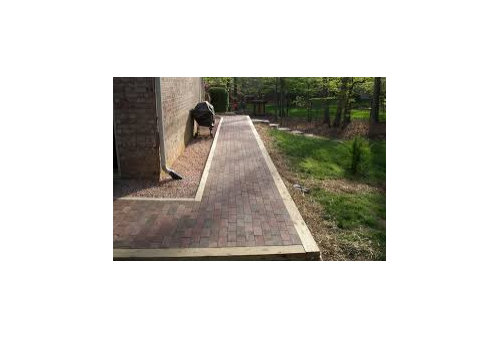
Timber border for area with pavers
5 years ago
Featured Answer
Sort by:Oldest
Comments (8)
 5 years ago
 5 years agolast modified: 5 years ago
Related Professionals
Gainesville Landscape Architects & Landscape Designers · Gulfport Landscape Architects & Landscape Designers · Platteville Landscape Architects & Landscape Designers · Tuscaloosa Decks, Patios & Outdoor Enclosures · Tulsa Decks, Patios & Outdoor Enclosures · York Decks, Patios & Outdoor Enclosures · Binghamton Cabinets & Cabinetry · Middletown Cabinets & Cabinetry · Cornwall Flooring Contractors · Bennington Decks, Patios & Outdoor Enclosures · Lake City Home Builders · Santa Maria Home Builders · Elko Home Builders · Provo Home Builders · Lewiston Home Additions 5 years ago
- 5 years ago
- 5 years agolast modified: 5 years ago
- 5 years ago
 5 years ago

Related Stories
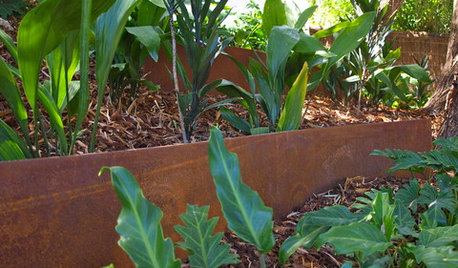
LANDSCAPE DESIGNGet an Edge: The Best Border Material for Your Garden
Do you want garden edging made of stone, concrete, metal or wood? Here are things to consider when choosing
Full Story
GREAT HOME PROJECTSWhat to Know About Installing a Walkway of Pavers and Pebbles
Find out how to get started, whom to hire, materials to use and costs to expect when adding a path of pavers and gravel
Full Story
GARDENING GUIDESLow-Maintenance Ground Covers to Go With Your Pavers
These 8 plants will fill the spots between steppingstones, gaps in flagstone patios and other garden nooks and crannies
Full Story
MATERIALSPrecast Concrete Pavers Make a Versatile Surface in the Garden
You can use concrete pavers in a variety of shapes and colors for your patio, walkway, driveway and more
Full Story
LANDSCAPE DESIGNSee How 3 Patios Ingeniously Mix Pavers and Pebbles
Designers show there is more than one way to execute this popular material pairing
Full Story
MIDCENTURY HOMESHouzz Tour: Glass, Timbers and Angles Shape Restored Wedge House
A midcentury modern home gets new life with a remodel and an addition that bridge old and new
Full Story
CONTAINER GARDENSSolve Your Garden Border Dilemmas With Planted Pots
Set your containers free from the patio — placed among plantings in the ground, they fill unsightly gaps, let you experiment and more
Full Story
GARDENING AND LANDSCAPINGPatio Pavers Go Green in Between
Kind to the environment and easy on the eyes, pavers with moss or other foliage in the joints create a charming permeable hardscape
Full Story
LANDSCAPE DESIGNOutdoor Areas for Year-Round Dining, Lounging and Soaking
A vaulted pergola and a cleverly designed patio create a welcoming backyard for a Dallas couple
Full Story
LANDSCAPE DESIGNDefine Your Garden Softly With Planted Borders
Why make things hard for your garden's edges? Embrace a softer side by trading brick and concrete for shrubs, grasses and ground covers
Full Story
User