

Daisy Chain or Whips?
5 years ago
Sort by:Oldest
Comments (3)
Related Stories
PRODUCT PICKSGuest Picks: Loving Linen All Over the Home
Charmingly rumpled or ironed smooth, these linen finds from napkins to curtains bring casual elegance to rooms
Full Story
DECORATING GUIDESBudget Decorator: 15 Shortcuts to Holiday Style
If playing Santa has tapped out your wallet and your patience, consider these stylish, time-saving decorations an early Christmas present
Full Story
CRAFTS20 Ways to Organize Your Craft Space
Tired of looking for a needle in a haystack? Giving tools and supplies a proper place steps up productivity and cuts down on frustration
Full Story
KITCHEN DESIGN7 Steps to Pantry Perfection
Learn from one homeowner’s plan to reorganize her pantry for real life
Full Story
KITCHEN DESIGNKitchen of the Week: Upscale Barn Meets Industrial Loft Style
Warehouses and grasses inspire a South Carolina kitchen equally, for a look that’s as charming as it is unusual
Full Story
VINTAGE STYLEVintage Style: High-Tank Toilets
Homeowners are adding the feeling of yesteryear in today’s bathrooms
Full Story
GROUND COVERSGive Your Lawn a Taste of the Wild
Consider the joys of an irregularly trimmed meadow lawn: It’s ecofriendly, visually interesting and still good for romping
Full Story
PETSSo You're Thinking About Getting a Dog
Prepare yourself for the realities of training, cost and the impact that lovable pooch might have on your house
Full Story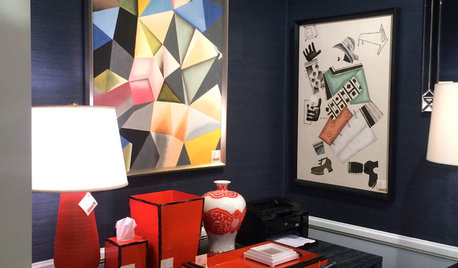
EVENTS5 Big Trends From This Week’s High Point Market
Learn the colors, textures and shapes that are creating a buzz in interior design at the market right now
Full Story

HU-867564120
karenwebuserOriginal Author
Related Professionals
Napa General Contractors · Superior Home Remodeling · Butte Home Remodeling · Lancaster Bathroom Remodelers · Edmonton Bathroom Remodelers · Charlotte Interior Designers & Decorators · Philadelphia Interior Designers & Decorators · Brainerd Interior Designers & Decorators · Bozeman Interior Designers & Decorators · Duluth Furniture & Accessories · Monroe Furniture & Accessories · Petersburg Kitchen & Bathroom Designers · Williamsburg Kitchen & Bathroom Designers · Plymouth Kitchen & Bathroom Designers · Flint Kitchen & Bathroom DesignersHU-867564120