Software
Houzz Logo Print
maribronze88

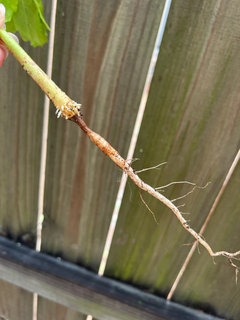
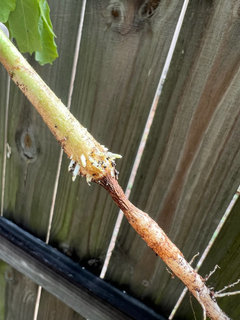
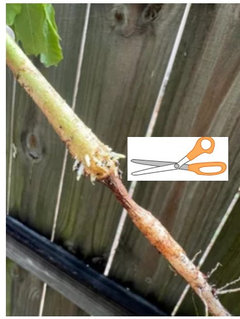
Could this be damping off or root knot nematode? What to do?

4 years ago
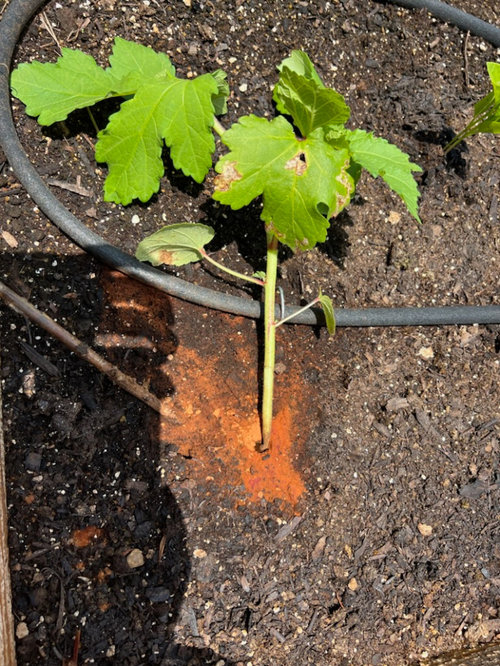


Hi. First of all, the orange/brown dusting at the base is just cinnamon. I had read on another forum that it kept ants (and subsequently aphids) away, it hasn't worked.


If you look at the base of my okra, it has gone thin and brown. You can't tell in the photo, but the plant was on its side. It was healthy and robust until today. I increased waterings on Saturday to twice a day for 25 minutes from once a day because my soil was dry. It's a soaker hose system on a timer.


My other okra plant was upright but had a similar base (brown and thin). I assumed it was from overwatering and build compost mounds up to the first leaves for both plants.


I've been reading up on potential causes however, and what I've found worries me because the okra shares a bed with several pepper plants and I don't want them to be compromised.


I'm looking to know:

1. What this is?

2. Should I leave the plants to see if they make it? OR Should I remove them to ensure they don't impact my other plants?

Comments (23)

  • 4 years ago

    Thank you! I'm in 10a, SWFL. It's been hotter than heck out, day and night. We went away for three days though and I had the water system going twice as often. If it IS damping off, do I need to destroy it so that it doesn't impact the other plants?

  • 4 years ago

    I don't think that damping off is contagious?, but then again I'm no Botanist, nyuk. Squash pretty much likes hot weather but overwatering may present a problem. Plant more seed now and see how it goes with this distressed plant. If it deteriorates quickly then pull it out and and discard it. Squash grows rather fast from seed so replacing this questionable plant shouldn't be a problem for your long growing season.

  • 4 years ago

    Oh! Is okra a squash? I never realized that.


    It seems to be doing better with the compost mound, but I'll reseed as well - good thinking! Thank you for your time :)

  • 4 years ago
    last modified: 4 years ago

    Yes, looks like damping off. Damping off is due to a soil-borne fungus, and so disposing of the plant isn't going to prevent it from happening to other plants. Damping off usually happens just with young seedlings, when the stem is especially fragile, so I'm a little surprised to see it in a larger plant like the one in your picture. If the soil surface remains wet, it will be a threat. I should say that I heat-sterilize my seedling soil mix these days, and I NEVER get damping off any more. Once I plant out, the soil surrounding the stem is still pretty sterile.

    maribronze88 thanked daninthedirt (USDA 9a, HZ9, CentTX, Sunset z30, Cfa)
  • 4 years ago

    I was surprised when I came across that as well! Just because they're so large. So you would recommend against disposing of the plants? Maybe a chance of saving them? Or do you think I'm just going to lose the entire bed? OR would you suggest I heat some seed starter (I have jiffy mix and then lay it over the top?

  • 4 years ago
    last modified: 4 years ago

    You can leave them and see if they manage to survive. If they die, the point is that it doesn't matter what you do with the plants. Again, you avoid damping off by not keeping the soil surface damp. Let it dry out. The roots won't care. Covering infected soil with sterile soil won't do much. The point of sterile seedling mix is that the plants grow in soil without the fungus until they're old enough to resist it, at which point the roots can extend down into native infected soil. I believe some people use fungicides to prevent damping off, though that's sort of a sledge hammer approach. Your soil isn't bad. ALL soils have these fungi.

    maribronze88 thanked daninthedirt (USDA 9a, HZ9, CentTX, Sunset z30, Cfa)
  • 4 years ago

    No, Okra isn’t a squash. I think that was just a misunderstanding based on the picture. I thought it was a squash until you said Okra and I took a better look.

  • 4 years ago

    Oops, my bad. Not sure why I had squash on my mind at the time? Anyways my re-seeding advice still stands whether it's squash or okra. Good luck.

  • 4 years ago

    I'm betting those are goners. This is Florida after all - land of soil fungus & bacteria.

    You might try mulching with hay or grass clippings too, on the remaining healthy plants. It helps regulate moisture and prevents soil from splashing up on plants.

  • 4 years ago

    Thanks to all! It looks like one plant will make it but the plant posted above is wilting pretty badly today, and I will likely yank it within the next day or two. I kept my watering at twice a day but reduced the time in half so hopefully that helps.

  • 4 years ago

    Why do you water twice a day? That seems like a perfect recipe for keeping the soil surface moist and promoting fungal growth, if not root rot. My crops are putting up with 100F temps, and I just water every two or three days. Stick your finger in the soil. If it's moist an inch or two down, you're good to go. The roots are mostly below that.

  • 4 years ago
    last modified: 4 years ago

    ^^ Nyuk, yeah plants aren't people, no need for 8 glasses of water/day. The ideal watering regimen for me (and similar to Dan's) is watering in the early morning every 3-4 days (1") when it's hot & dry. Never water in the evening as that can lead to fungal problems of which you may have experienced. An ideal garden would get direct sunlight at dawn and a little shade late in the afternoon which would allow the plants to dry off (dew) early on and some relief from the heat later in the day. It's an ongoing watering regimen that depends upon how much rain accumulates at any given time.

  • 4 years ago

    I upped it to twice a day when I left because the soil WAS dry below the surface. But obviously, I was still overwatering. We just entered rain season so I'll be stopping watering altogether moving forward. I'll resume with once a day in the AM when we get back into dry season though.

  • 4 years ago

    How much are you watering? A brief sprinkle won't do the trick. You need to water the roots. They're deep. That's why the soil was dry below the surface. An inch of water every few days is what you should be doing. The soil sure won't be dry below the surface if you do that.

    maribronze88 thanked daninthedirt (USDA 9a, HZ9, CentTX, Sunset z30, Cfa)
  • 4 years ago

    I had been doing it once a day for ~24 minutes. Then I upped it to morning and night for twenty minutes each. So I think, once rain season is gone, maybe once in the morning for 25 minutes? It's on a soaker hose system.

  • 4 years ago

    Oh, a soaker system. That was never called out. In the picture, I see a pipe. Is that a soaker hose? Now, this isn't a drip system, right? In that case the soaker hose is spraying continuously. Tiny amounts of water for a long time. That's how the surface stays wet, and the soil beneath doesn't really get that moist. At least when seedlings are around, and damping off is a danger, a soaker hose is not a good irrigation strategy.


  • 4 years ago

    Correct, it is a soaker hose and not drip irrigation (not spraying at least that I can see, but definitely dripping into the ground). That's good to know! What would you recommend while they're seedlings? Just a normal hose?

  • 4 years ago

    Also, I did end up pulling this one. It bounced back for a bit and then wilted heavily. There were new roots developing at the base where the brown was (I had buried it under compost) so perhaps it was trying to heal itself.


  • 4 years ago
    last modified: 4 years ago

    OK, when I think "soaker hose", I think sprayer. But if it's just dripping into the ground then the solution is simple. Bury it! Just maybe an inch deep. That way, if you need to leave it on every day for a while, the soil surface won't stay wet. Of course, then you need a lot of hose, in order to cover much area.

    Just a simple sprinkler would work fine, and would guarantee better coverage. Put a can out to measure how much water is coming down. As we said, in very hot weather, you'll need an inch or so every three days.

    Alternatively, if you plant in a depression, just take a hose and fill that depression every few days.

    Again, the goal is to allow the soil surface to dry out.

    maribronze88 thanked daninthedirt (USDA 9a, HZ9, CentTX, Sunset z30, Cfa)
  • 4 years ago
    last modified: 4 years ago

    FWIW, I don't know what type of soil you have, but I've experienced water repelling with dried out soils in my coastal yard. Sometimes it just doesn't soak in - that's another reason to mulch after you've worked water into the soil. I often have to water, stir the soil around, water some more, stir some more, and repeat until it's evenly moist to a depth of maybe 10 inches or more, then plant and mulch thickly to keep it from drying back out. The sun this time of year bakes moisture out pretty quickly.

    I fill planting holes with water, allow it to drain, then fill again before putting transplants in. I also add amendments like compost and alfalfa pellets/fertilizer to the holes for veggies, and mix them in so roots won't get 'burnt'.

  • 4 years ago

    P.S. There are also wireworms - a beetle larva, that live in the soil and eat roots.

    From IFAS:

    "Wireworms or Click Beetles

    Wireworms are click beetle larvae with narrow, tube-shaped bodies that can be creamy yellow to orange-brown. These larvae attack the seeds, roots, and crowns of plants below the soil surface. They also chew into the plant base and hollow out the stem, which eliminates growing points. Evidence of wireworm damage includes severely wilted young plants and plants with dry young leaves. Plant death follows shortly after these symptoms."

  • 4 years ago


    Then plant it, not deep, in separate pot, usng several sticks and strings to keep it still.