Software
Houzz Logo Print
gdavis62

West-facing windows and afternoon heat buildup

4 years ago

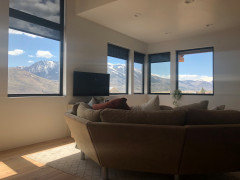
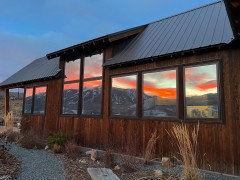
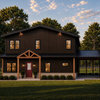
Building in a northern climate, a modern-looking place facing the ski mountain, big tall 18' high wall across whole view side of house all full of windows and sliding glass doors.


Windows will be either Pella or Andersen, and both have various glazing options: double pane, triple pane, argon gas, krypton gas, low e, and special coatings to deal with sunlight.


We want to minimize the pizza oven feel you can get in summer and early fall afternoons in this big west-facing space with the towering glass. Pella's glass coatings are called SunDefense (for very hot sunny climates) and NaturalSun (for cold climates far northern US). We are far northern US.


Andersen offers something they call Smart Sun, which they say shields house from sun's heat and filters out a lot of bad UV rays.


Which of these special sun glazings should we be considering for this?

Comments (24)

  • 4 years ago

    For the summer get shades that are motorized and close automatically as soon as the sun starts to hit them. Large west facing windows will get large heat gain unless you block the sun in some way. You can do interior or exterior shades.

  • PRO
    4 years ago

    Have your architect analyze the site to identify how low the sun will be without being blocked by vegetation or hills/mountains. The house can be designed to address the sun's path throughout the year.

  • 4 years ago

    I'll echo sun shades. We're in northern new England and have large west-facing windows - we purchased this house, with unfortunately no large overhangs, and from June- August the great room is a heat box. The views are great but oh what I would do to have been the original homeowner during this build lol.

  • 4 years ago

    Are you working with an architect who can help design the house to minimize the heat gain?

  • 4 years ago

    Back to the coatings, I’m not familiar with the ones you mentined, but on our last house, a 1960 split-level. One measly young maple tree in the front yard, and a crab in the back that died a few years after we moved in. West-facing living room, east-facing dining room.

    We added 3M film to both of those. The dining room got UV-protection film, so as to protect the furniture. The living room got film to protect against UV and heat. Originally, we had to close the curtains at 2 or 3 in the afternoon, the sun was so bright and hot. After we installed the film, it was much, much better. The heat was less, the glare much mitigated. I think we still closed the curtains on the hottest days, for that hour or so when the sun was at its most direct.

    So, I like the coatings, and you might add the other methods for even better comfort and control. Also, deep eaves can help.

  • PRO
    4 years ago

    If your house is "a modern-looking place facing the ski mountain", the "ski mountain" may act as a passive solution to evening sun. There may be no need to pay for shades or film or gas or sombreros.

  • 4 years ago

    Solar gain is needed in the winter but you will want to block it in the summer. You have to look at all the seasons and where the sun is on the horizon. Forgo looking at the coatings and talk to someone who can do a proper analysis and make recommendations.

  • 4 years ago
    last modified: 4 years ago

    Both Andersen and Pella source their glass from Cardinal. Cardinal offers a number of different coatings for different climates and different applications from passive high solar heat gain to sun blocking and very low solar heat gain.

    What Pella calls Natural Sun, Andersen calls Passive Sun, but both are Cardinal LoE-180. This is a high solar heat gain coating that is generally unsuitable to be used in west facing windows, no matter where you live, because the purpose of this coating is to allow solar heat into a space and then keep it there. Not what you need for a wall of west-facing windows, especially not in summer.

    What Pella calls SunDefense, Andersen calls SmartSun, and that is Cardinal's LoE³-366 glass, a low solar heat gain product.

  • 4 years ago

    If those are your only manufacturer options I would steer clear of Pella and stick with Andersen.

  • 4 years ago

    I grew up with Pella in two houses and was so sad to learn here, and from my glass guy, that Pella is not what it was. Anderson.

  • PRO
    4 years ago

    We have a 1956 MCM ranch with huge overhangs along the South and west sides that keep the sun from hitting the windows in the summer but let it heat the house in the winter I use solar shades too for real control of the heat and UV but not spoil the our amazing view

  • PRO
    3 years ago

    I live and work on homes at 8-1000 ft of elevation in a ski town. The sun is real up here with an 8-10% increase in solar intensity every 1000 feet above sea level. We built our house with Alpen suspended film "triple" pane low solar gain windows and our passive solar design still resulted in 80+ degree inside days during the winter with no heat on.


    I added an exterior reflective film that has balanced the temperature year-round. In the summer we open the windows at night and get the house down into the low 60s, close it up in the morning, and even with some sunny 85-degree days this year, we stay below 70. Friends think we have AC. In the winter we stay mid-60s to low 70s depending on how sunny it is.


    Each situation is unique but in general, my recommendation is to get the best (highest heat rejection and insulation) reflected by the lowest SHGC and U-values possible. Then if you are still uncomfortable, contact a window film professional to dial in the performance needed. Happy to help with any questions!


  • 3 years ago

    How do folks with large overhangs deal with ultra low angled sunlight at the end of the day on west facing windows/walls? External screening? Window tint? thank you!


  • 3 years ago

    Window tint would help, but then you are living with a tinted window the rest of the time, which isn't ideal. Your best bet is some internal solar shades. Get them motorized and automated so it isn't a chore you have to remember to do every day, specially when you aren't home but still want to stop heat gain and protect furnishings.

  • PRO
    3 years ago

    Sometimes planting deciduous trees in strategic locations will help

  • 3 years ago

    We have a wall of two story windows in our living room which face west as well. While loving the view and sunsets, it is brutal during the summer months. We installed tint on all six windows which helped with the heat and some of the glare but still didn't eliminate the blinding sun. Next we installed a motorized patio screen which was a game changer.

  • 3 years ago

    Thanks very much. I am trying to figure this problem during the planning stage. It’s hard to balance all of the issues.

  • PRO
    3 years ago

    As noted here, the sun can present two potential problems, excessive heat, and excessive glare.


    Heat - The best solutions will keep the heat from entering your home at all. External options like trees, roof overhangs, awnings, etc. will outperform on glass (film) or in glass solutions which will outperform interior options like shades, blinds, and screens. A combination of solutions is usually needed to dial in the level of comfort you want.


    Glare - This is the visible light that we can see. All of the options mentioned above can have an effect on glare to varying degrees. Trees can work well when they have leaves. Blinds work well when they are closed. Most glare-reducing options block your view with the exception of window film. Adding some tint to reduce glare, coupled with other options to block during the 1 hour of peak direct exposure each day can allow for maximum glare control AND give you your view back.


    There is no one simple solution to controlling the sun. Knowing where the sun affects your home and how you live in the space is important to help a professional recommend the right combo of solutions for you. Knowing this during the planning stage is virtually impossible so don't sweat it. Have the electricians hard-wire for motorized shades, work with someone who really knows window performance and have your landscape architect keep the sun exposure on the home in mind without sacrificing your views.

  • PRO
    3 years ago

    I am the OP and am here to say, there's no architect, no landscape architect, and the window companies have offered little advice. I released the print set for permitting, with the west-facing glass specified as Andersen SmartSun. The client has no interest in discussing this, and I've been paid, so it's a wrap. The place will be built nicely sealed, over-insulated, and with a super efficient HVAC setup using Mitsubishi mini-split units, to be able to bring in all kinds of cool, if needed.

  • 3 years ago

    Embrace solar. You might even be in a state where it's incentivized. It will minimize the heat/AC bill.

  • PRO
    3 years ago

    I'm confused--what is your role in this build?

  • 3 years ago

    "Thanks very much. I am trying to figure this problem during the planning stage. It’s hard to balance all of the issues."


    @ferber, who are you and what is your relationship to @Gg

  • PRO
    3 years ago

    I'm going to relate my experience as a homeowner and not as a professional. When we built our vacation home, we selected a lot where the back would face west. Not the best situation, but due to budget and location issues it was unavoidable. There is an agricultural reserve to the west that precludes any building and preserves our views and privacy. In addition, there were no trees on the property, as is had previously been farmland close to the ocean, which made planting anything a dream!

    Anyway, I brought up the problem of afternoon sun in the summer (prime time for using the house) to the builder, who brushed off my concerns. The first summer was one of the hottest and driest in years, and the problem was horrendous. We couldn't use the living room or the back deck in the afternoons, and our master bedroom (also facing the views) was a sauna. The short-term solution was to build a roof over the deck, and also plant deciduous trees to block the afternoon sun (long term solution). Upstairs we installed motorized awnings.

    All three measures have solved the problem. You may counter that the roof makes the living room dark, but not noticeably, as the floor plan is very open and light comes in through all the other windows on the east, north, and south. Also, we don't stay inside much during the summer afternoons, instead preferring the deck and pool areas. I would rather have the sun-blocking items on the outside rather than using shades which close in the house and do nothing for the outside. I have no experience with window film and defer to the experts on this issue.