
Gardening Guides

Native Plants
Solve 3 Common Landscape Problems — With More Plants
Sometimes the best defense is a good offense

We probably all have an area in our yards where mulching or amending the soil doesn’t always work. Instead of repeating these intensive, and sometimes expensive, options that might have to be done time and again, spend your effort just once on more plants.
Plants might not be able to solve all landscape problems, but they can help a lot. No matter what, always carefully match the plant with the soil, light and moisture it needs to thrive, making sure to use regionally adapted and native plants that will bring success. Do your research, consult multiple sources and learn how to work with your landscape, not against it.
Plants might not be able to solve all landscape problems, but they can help a lot. No matter what, always carefully match the plant with the soil, light and moisture it needs to thrive, making sure to use regionally adapted and native plants that will bring success. Do your research, consult multiple sources and learn how to work with your landscape, not against it.
2. Weeds
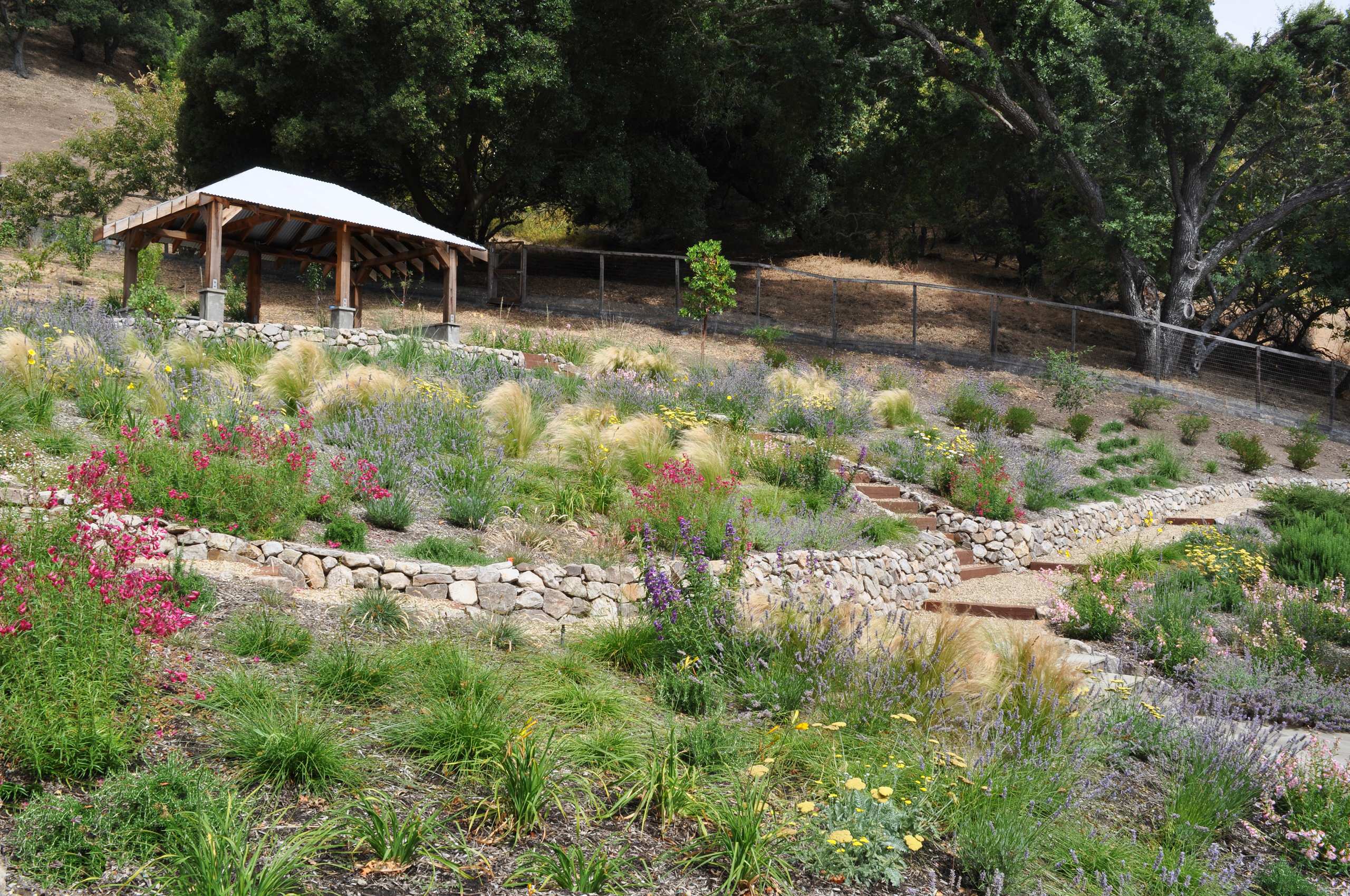
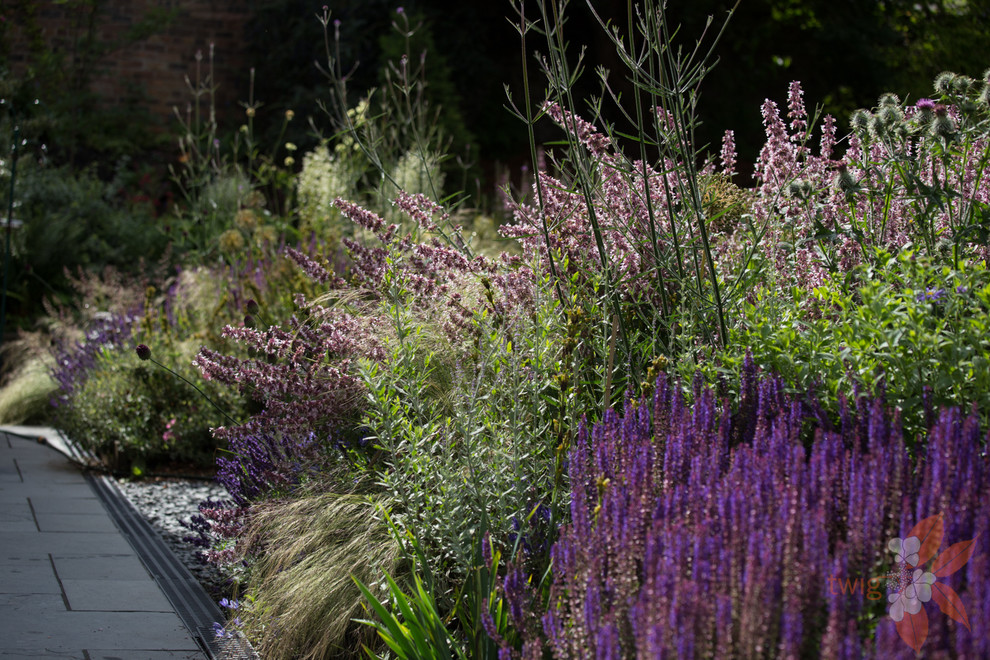
Whatever your definition of a weed is, whether it’s an invasive exotic or an aggressive native you don’t want, we’re always going to fight with plants we don’t want in our landscapes. We can mitigate their spread, however, similarly to how we work to stop erosion: diverse plant structures above and below the soil line. By including thick ground covers and taller plants, we can shade the soil and make access to sunlight harder. More plants also means more roots, and if there’s no place for a weed seed to root down and get nutrients or water due to competition, well, there won’t be a weed.
There are all sorts of plants we can use in a variety of situations to help beat back aggressive ones we don’t want, or that are threatening the ecological balance. The ones to use vary by region and situation.
Why Aggressive Plants Might Actually Be Your Friends
Whatever your definition of a weed is, whether it’s an invasive exotic or an aggressive native you don’t want, we’re always going to fight with plants we don’t want in our landscapes. We can mitigate their spread, however, similarly to how we work to stop erosion: diverse plant structures above and below the soil line. By including thick ground covers and taller plants, we can shade the soil and make access to sunlight harder. More plants also means more roots, and if there’s no place for a weed seed to root down and get nutrients or water due to competition, well, there won’t be a weed.
There are all sorts of plants we can use in a variety of situations to help beat back aggressive ones we don’t want, or that are threatening the ecological balance. The ones to use vary by region and situation.
Why Aggressive Plants Might Actually Be Your Friends
3. Mucky Area
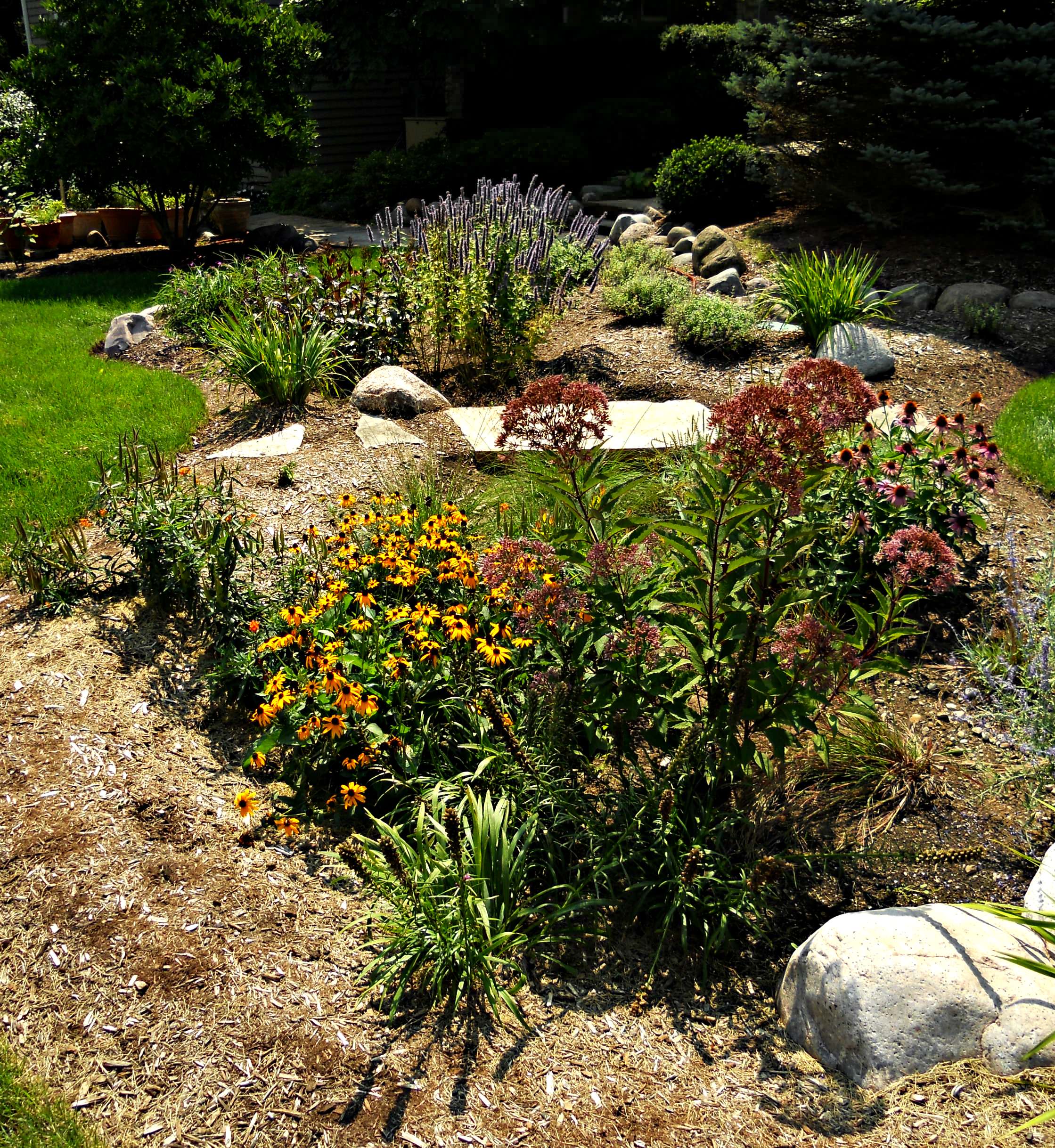
I bet you’ve got an area in your landscape, even your lawn, where water gathers and stays for several days after it rains. Not much grows there, and what does might struggle, especially during the rainy season. Take that area and make it a garden island or bed.
Consider using plants that thrive in the boom-and-bust cycles of the wet and dry seasons, especially adapted natives like ironweed (Vernonia fasciculata), blazing star (Liatris spp.), switchgrass (Panicum virgatum), sedges (Carex spp.), mountain mint (Pycnanthemum virginianum), golden Alexanders (Zizia aurea) and blue wild indigo (Baptisia australis). Let those plants soak up that water while breaking open the soil so the water can drain better. You might even consider water-loving shrubs like chokeberry or a willow tree to create a unique area of wildlife habitat.
Learn more about siting and sizing a rain garden for your landscape
I bet you’ve got an area in your landscape, even your lawn, where water gathers and stays for several days after it rains. Not much grows there, and what does might struggle, especially during the rainy season. Take that area and make it a garden island or bed.
Consider using plants that thrive in the boom-and-bust cycles of the wet and dry seasons, especially adapted natives like ironweed (Vernonia fasciculata), blazing star (Liatris spp.), switchgrass (Panicum virgatum), sedges (Carex spp.), mountain mint (Pycnanthemum virginianum), golden Alexanders (Zizia aurea) and blue wild indigo (Baptisia australis). Let those plants soak up that water while breaking open the soil so the water can drain better. You might even consider water-loving shrubs like chokeberry or a willow tree to create a unique area of wildlife habitat.
Learn more about siting and sizing a rain garden for your landscape
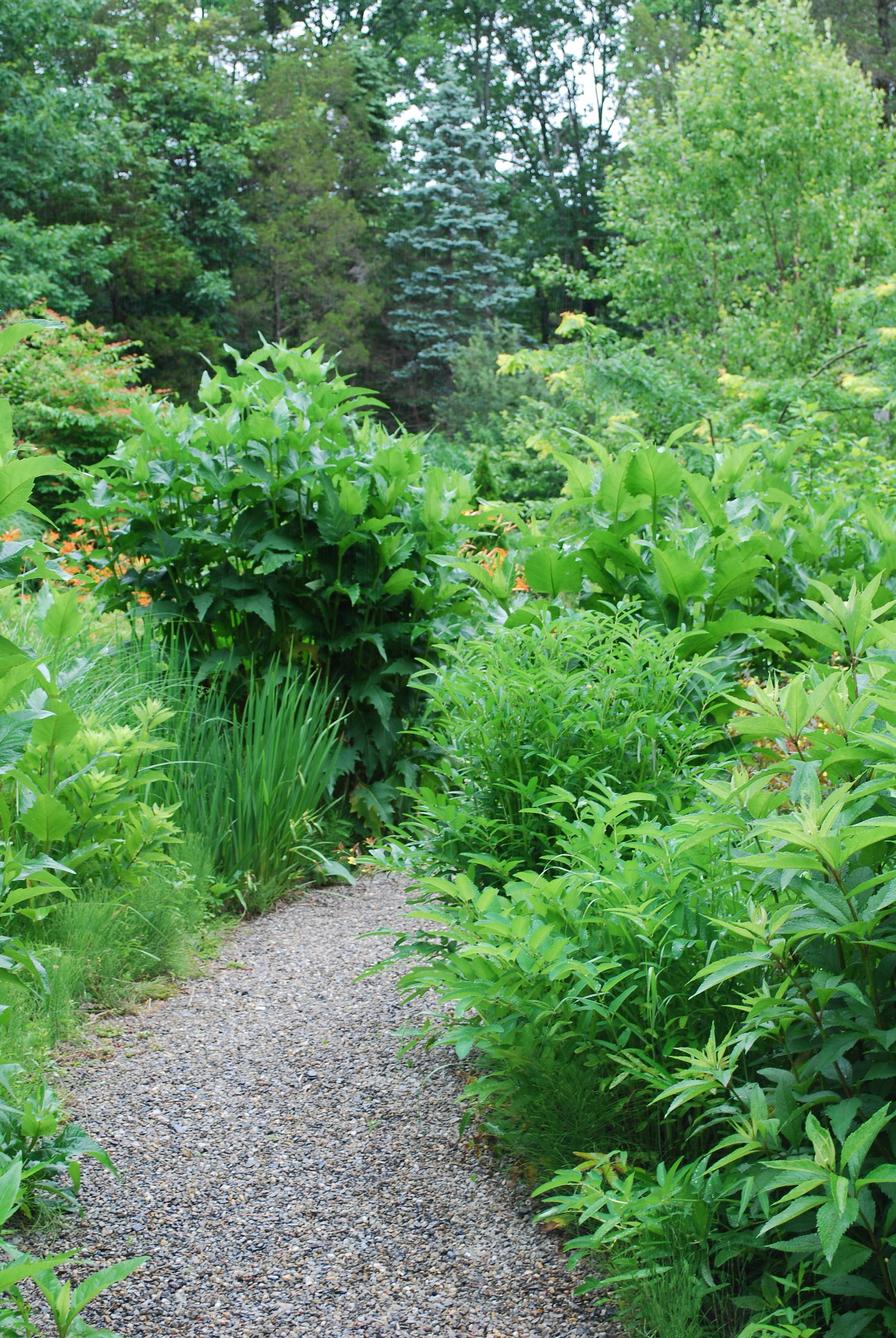
Problem areas in our gardens often aren’t problems at all. Instead, they’re opportunities to try new things, learn new strategies and, maybe, provide more diverse mini ecosystems for birds, butterflies and more to use in every season. Plants won’t solve all issues, but they can go a long way toward ensuring a healthier, smarter landscape.
More
The Surprising Ingredients Every Good Garden Should Have
Browse plants native to more regions of the U.S.
More
The Surprising Ingredients Every Good Garden Should Have
Browse plants native to more regions of the U.S.

You’ve got a bare slope where plants have a hard time becoming established. When it rains, sheets of water come down, dig channels into the soil and pool at the bottom of the slope, flooding whatever had been growing. Here’s how plants can help prevent that.