

DIY irrigation with 2L bottles?
17 years ago
Sort by:Oldest
Comments (3)
Related Stories
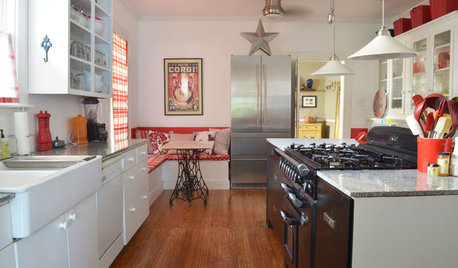
HOUZZ TOURSMy Houzz: Creative DIY Personalizes a 2-Bedroom Bungalow
Stenciling, custom finishes and furniture, and Scottish-inspired style give a 1920s home personality and warmth
Full Story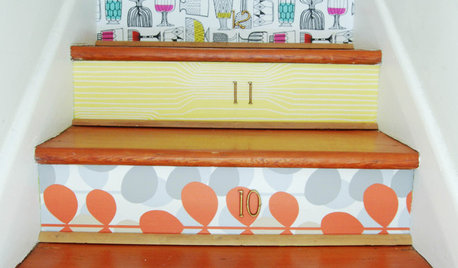
DIY PROJECTS20 Wonderfully Inventive DIY Projects by Houzzers
You'll never look at a wood scrap or empty jar the same way again. Borrow these ideas or just let them inspire your own project
Full Story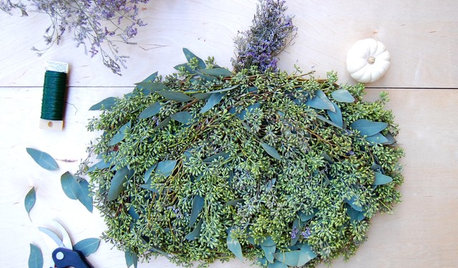
HOLIDAYSFall DIY Project: Pumpkin-Shaped Eucalyptus Arrangement
Freshen up your front entry with this easy-to-make decorative piece
Full Story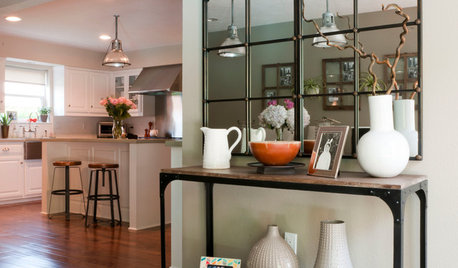
HOUZZ TOURSMy Houzz: Elegant DIY Updates for a 1970s Dallas Home
Patiently mastering remodeling skills project by project, a couple transforms their interiors from outdated to truly special
Full Story
KITCHEN DESIGNShow Us Your Fabulous DIY Kitchen
Did you do a great job when you did it yourself? We want to see and hear about it
Full Story
GARDENING AND LANDSCAPINGDIY Project: Mobile Container Garden
Get your garden going anywhere with a planter on wheels
Full Story
DECORATING GUIDESDIY: Make Your Own Chalkboard Paint
3 simple steps to chalk it up in any color anywhere for cheap
Full Story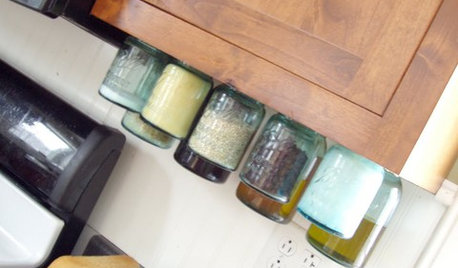
KITCHEN DESIGNGet Organized: Easy DIY Mason Jar Storage
Create a clever under-cabinet pantry system with pretty vintage jars
Full Story
HOUSEKEEPINGFurniture Clinic: Quick DIY Glides for Sofa, Chair or Table
Smooth things over between your furniture and floor with easy glides cut from leather scraps
Full Story


justaguy2
User
Related Professionals
Wilmington Landscape Architects & Landscape Designers · Wichita Landscape Architects & Landscape Designers · Memphis Landscape Architects & Landscape Designers · Austin Landscape Architects & Landscape Designers · New Braunfels Landscape Architects & Landscape Designers · Plattsburgh Landscape Architects & Landscape Designers · Lancaster Landscape Architects & Landscape Designers · Washington Landscape Contractors · Gaithersburg Landscape Contractors · Branson Landscape Contractors · Sedalia Landscape Contractors · Richmond Landscape Contractors · Sarnia Landscape Contractors · Plainfield Accessory Dwelling Units · Middletown Accessory Dwelling Unitsausbirch