

Installing GFCI in parallel on another circuit
18 years ago
Sort by:Oldest
Comments (8)
Related Stories
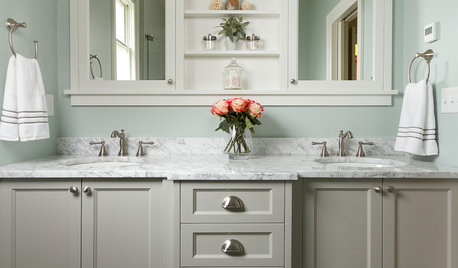
BATHROOM DESIGNShould You Get a Recessed or Wall-Mounted Medicine Cabinet?
Here’s what you need to know to pick the right bathroom medicine cabinet and get it installed
Full Story
CHRISTMASHow to Light Your Christmas Tree Like a Pro
Give yourself frustration-free tree lighting this year — the trick is clever cord management
Full Story
BATHROOM DESIGN10 Living Room Touches to Bring to the Bath
Go ahead, borrow those bookshelves. Unexpected elements can boost interest and comfort in your bathroom
Full Story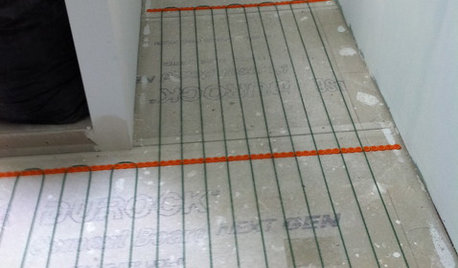
BATHROOM DESIGNWarm Up Your Bathroom With Heated Floors
If your bathroom floor is leaving you cold, try warming up to an electric heating system
Full Story
CONTRACTOR TIPSBuilding Permits: 10 Critical Code Requirements for Every Project
In Part 3 of our series examining the building permit process, we highlight 10 code requirements you should never ignore
Full Story
GREAT HOME PROJECTSPower to the People: Outlets Right Where You Want Them
No more crawling and craning. With outlets in furniture, drawers and cabinets, access to power has never been easier
Full Story
BATHROOM DESIGN10 Amenities to Make Your Bathroom Extraordinary
Go beyond the basics for a luxury bathroom experience, with extra-special options starting at only $25
Full Story
ARCHITECTURE15 Smart Design Choices for Cold Climates
Keep your home safe and comfortable in winter by choosing the right home features and systems
Full Story
KITCHEN DESIGNDish-Drying Racks That Don’t Hog Counter Space
Cleverly concealed in cabinets or mounted in or above the sink, these racks cut kitchen cleanup time without creating clutter
Full Story
LIGHTINGWhat to Consider When Lighting Your Home
A designer offers a few illuminating insights on this key design element
Full Story
joelqOriginal Author
cissado
Related Professionals
Paducah General Contractors · Monroe General Contractors · Jackson General Contractors · Concord General Contractors · Cleveland General Contractors · Chatham General Contractors · Gainesville Home Remodeling · Palm Bay Home Remodeling · Petersburg Home Remodeling · Watertown Home Remodeling · Richmond Bathroom Remodelers · Milwaukee Bathroom Remodelers · Phoenix Bathroom Remodelers · Stockton Bathroom Remodelers · Edmonton Bathroom Remodelersbrickeyee
joelqOriginal Author
spencer_electrician
jason1083
joelqOriginal Author
spencer_electrician