

Wiring Fluorescent Lights
17 years ago
Sort by:Oldest
Comments (9)
Related Stories
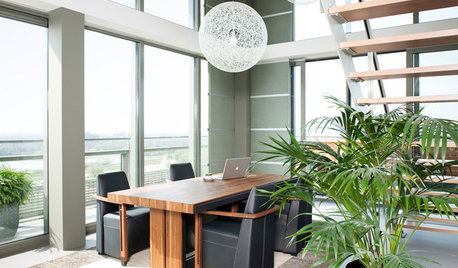
HOUSEPLANTSMeet a Palm That's Fine With Fluorescent Light
Get the look of the tropics without the full-on sun and high humidity — parlor palm tolerates regular indoor conditions with aplomb
Full Story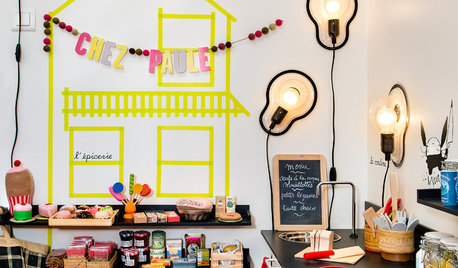
LIGHTING10 Ways With Wall Lights That Don’t Need to Be Wired In
Learn how to add illumination to your home without carving into the walls
Full Story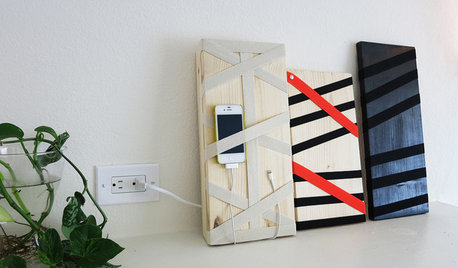
DIY PROJECTSHide All Those Wires in a DIY Charging Station
Keep your gadgets handy and charged with a flexible storage board you can design yourself
Full Story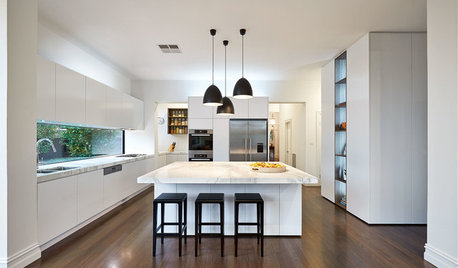
LIGHTING8 Creative Lighting Solutions for Food Prep
Get all the task illumination you need while distracting the eye from fluorescents, following the lead of the kitchens here
Full Story
DECORATING GUIDESInspiring Materials: Metal Wire
Add the Open Look of Wire to Your Lighting, Furnishings and Decor
Full Story
FURNITUREModern Icons: The Eames Wire Base Table
Simple modern table is light and versatile enough for every room in the house
Full Story
MORE ROOMSHome Tech: Getting Rid of Wires Without Sacrificing Sound
Wireless home technology still isn't perfect, but new products are giving audiophiles choices
Full Story
ACCESSORIESHow to Hide Those Messy Wires
Untangle Yourself From Ugly Electrical Cords With a Few Tricks and Accessories
Full Story
PRODUCT PICKSGuest Picks: Wonderful Wire
Use the strength and versatility of modern and vintage wirework to bring creativity to your home
Full Story
DECORATING GUIDESFlea Market Finds: Wire Baskets
Turn Rustic-Industrial Pieces Into Chandelier, Pendant or Mobile Centerpiece
Full Story

brickeyee
pjb999
Related Professionals
Miami General Contractors · Hartford General Contractors · Dubuque General Contractors · Peoria General Contractors · Leominster General Contractors · Brainerd General Contractors · La Grande General Contractors · McAlester Home Remodeling · Coldwater Home Remodeling · Niles Home Remodeling · Scranton Home Remodeling · Concord Home Remodeling · Olympia Home Remodeling · Dalton Bathroom Remodelers · Southaven Bathroom Remodelersdon_franklinOriginal Author
texasredhead
brickeyee
HU-561641836
Dave
HU-561641836
Cherie Melara