

Connecting all grounds when extending run?
19 years ago
Sort by:Oldest
Comments (9)
Related Stories

REMODELING GUIDESArchitect's Toolbox: Connecting Home and Ground
The foundation of meaningful design lies at the point where home meets land
Full Story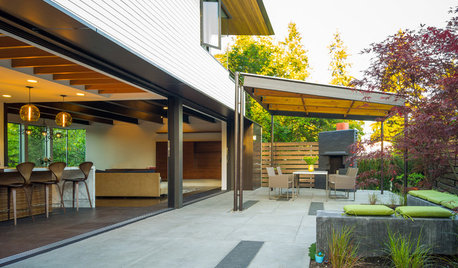
PATIOSPatio Details: Covered Dining Area Extends a Family’s Living Space
Large sliding glass doors connect a pergola-covered terrace with a kitchen and great room in Seattle
Full Story
MOST POPULARWhen Does a House Become a Home?
Getting settled can take more than arranging all your stuff. Discover how to make a real connection with where you live
Full Story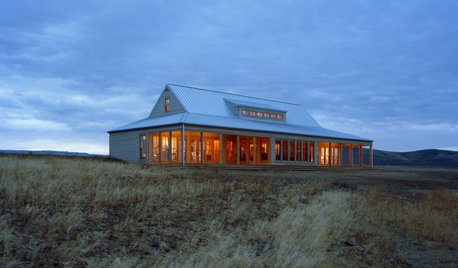
REMODELING GUIDESArchitect's Toolbox: Roofs that Connect Earth and Sky
A roof's design can connect us to the land or lift us above it all. Which style is for you?
Full Story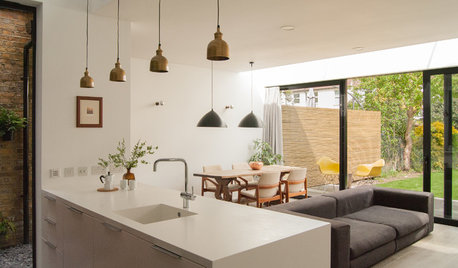
KITCHEN DESIGNLight and Bright Kitchen Addition Extends Into the Backyard
Adding a kitchen and dining area in back creates an open, peaceful living space with garden views
Full Story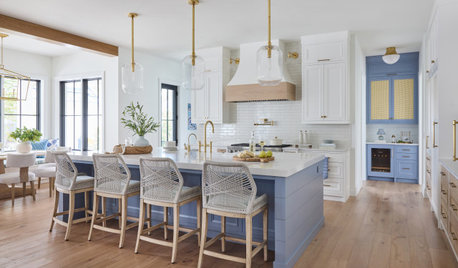
WORKING WITH PROSYour Guide to a Smooth-Running Construction Project
Find out how to save time, money and your sanity when building new or remodeling
Full Story
CONTRACTOR TIPSBuilding Permits: When a Permit Is Required and When It's Not
In this article, the first in a series exploring permit processes and requirements, learn why and when you might need one
Full Story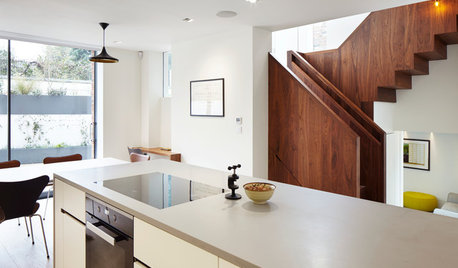
ADDITIONSRoom of the Day: Light-Filled Addition Connects Floors
High ceilings, clever storage features and a beautiful walnut staircase make this London project anything but ordinary
Full Story
DECORATING GUIDES12 Decorating Scenarios When You Should Do Nothing at All
By embracing the positives of negative space, you can strategically highlight key furnishings, give the eye a rest and create focal points
Full Story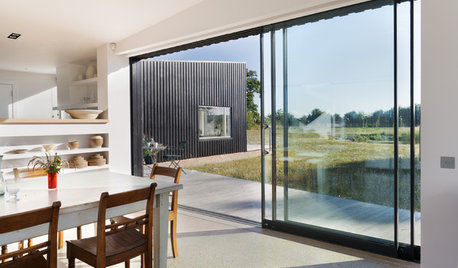
HOMES AROUND THE WORLDHouzz Tour: Modern and Connected to the Land
A strong link with its surroundings was the priority for this house built on a former pig farm in Suffolk, England
Full Story

bigbird_1
kaigOriginal Author
Related Professionals
California General Contractors · Poplar Bluff General Contractors · Fort Worth General Contractors · Oneonta General Contractors · North Platte General Contractors · Longview General Contractors · Forrest City Home Remodeling · Quincy Home Remodeling · Charlottesville Home Remodeling · Newport Home Remodeling · Owensboro Bathroom Remodelers · Columbus Bathroom Remodelers · Richmond Bathroom Remodelers · Chula Vista Bathroom Remodelers · Cornwall Bathroom Remodelersitsunclebill
matt_m
cowboyandy
joed
sailor86
terribletom
joefixit2