

Testing a fluorescent bulb
18 years ago
Sort by:Oldest
Comments (14)
Related Stories
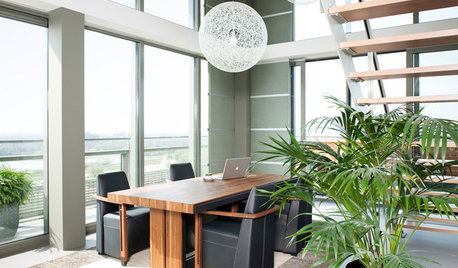
HOUSEPLANTSMeet a Palm That's Fine With Fluorescent Light
Get the look of the tropics without the full-on sun and high humidity — parlor palm tolerates regular indoor conditions with aplomb
Full Story
DECORATING GUIDESLose It: How to Get Rid of Old Light Bulbs
When the light goes out, you'll want to get rid of the bulb safely. Here's how
Full Story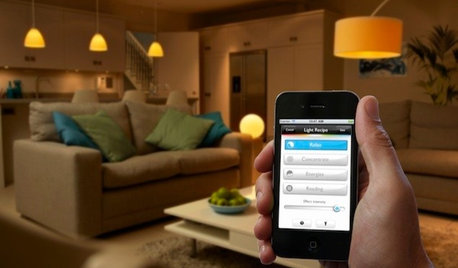
HOME TECHHere's a Bright Idea: Smart Bulbs for Better Lighting
Lightbulbs that can change brightness and color with a cell phone command show flashes of design brilliance
Full Story
DIY PROJECTSHoliday DIY: Mason Jar Forced Bulbs and Evergreen Gift Tags
Learn how to make these winter projects from the book ‘Garden Made’ by Stephanie Rose
Full Story
MOST POPULARThe Right Way to Test Paint Colors
Here are 5 key steps to take to ensure you're happy with your wall paint color
Full Story
COLORWant Gorgeous Interior Colors? Look to the Light
See how to manipulate natural and artificial light — and learn about those baffling new bulbs — to get the exact room colors you want
Full Story
FUN HOUZZ10 Things People Really Don’t Want in Their Homes
No love lost over fluorescent lights? No shocker there. But some of these other hated items may surprise you
Full Story
LIGHTING8 Creative Lighting Solutions for Food Prep
Get all the task illumination you need while distracting the eye from fluorescents, following the lead of the kitchens here
Full Story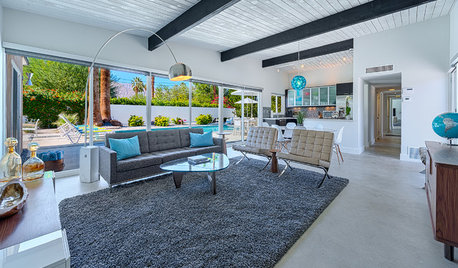
LIGHTINGBask in Lamplight's Comfort This Season
Get pro insight on lamp styles, shades and ever-confusing bulbs to enjoy the benefits of lamplight on long, cold nights
Full Story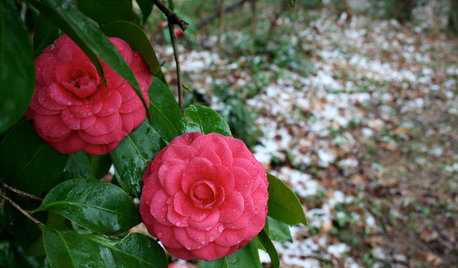
GARDENING GUIDESSoutheast Gardener's November Checklist
You're probably on top of planting bulbs, but don't forget to keep an eye on frost and drain your mower's gas tank
Full Story
billhart
joed
Related Professionals
Elizabeth City General Contractors · Mankato General Contractors · Idaho Falls General Contractors · Panama City Home Remodeling · Middlesboro Home Remodeling · Saint Joseph Home Remodeling · Tupelo Home Remodeling · Enfield Home Remodeling · Westerly Home Remodeling · Oshkosh Home Remodeling · Clovis Home Remodeling · Odessa Home Remodeling · New Braunfels Bathroom Remodelers · Boston Bathroom Remodelers · Spokane Bathroom Remodelerskudzu9Original Author
randy427
joed
kudzu9Original Author
billhart
paul-m
joed
billhart
aja999_gmail_com
cuba_pete
Denis Barker
Brza Hza