

horizontal receptacles and stud orientation
11 years ago
Sort by:Oldest
Comments (6)
Related Stories
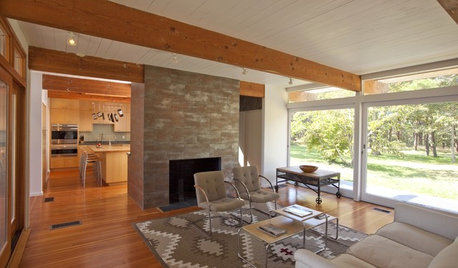
HOUZZ TOURSHouzz Tour: Mid-century Modern on Cape Cod
Visit a sprawling International Style home updated for a 21st-century family
Full Story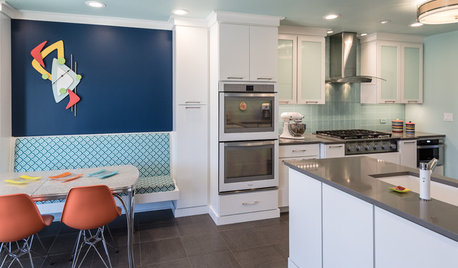
KITCHEN OF THE WEEKKitchen of the Week: Fans of Traditional Style Go For a ‘Mad Men’ Look
The TV show inspires a couple to turn their back on the style they knew and embrace a more fun and funkier vibe in their kitchen
Full Story
MOST POPULARHow High Should You Mount Your TV?
Today we look at an important question to consider when locating your television: How high should you set it?
Full Story
DECORATING GUIDESDecorating Secrets: Picture-Perfect Way to Hang Art
Save your drywall with these easy steps for hanging framed pieces
Full Story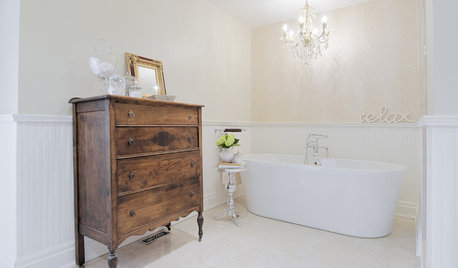
BATHROOM DESIGN10 Living Room Touches to Bring to the Bath
Go ahead, borrow those bookshelves. Unexpected elements can boost interest and comfort in your bathroom
Full Story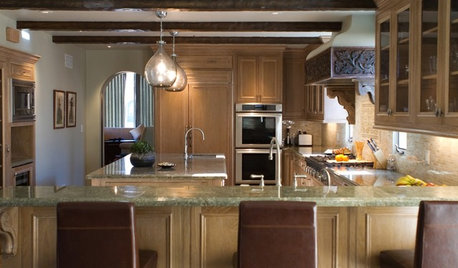
KITCHEN DESIGNHouzzers Say: Top Dream Kitchen Must-Haves
Tricked-out cabinets, clean countertops and convenience top the list
Full Story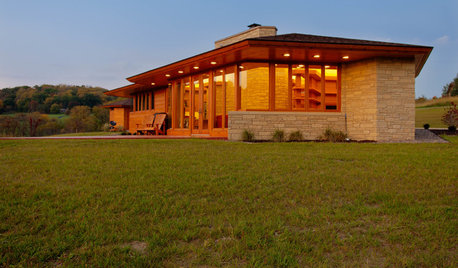
HOUZZ TOURSHouzz Tour: Usonian-Inspired Home With All the Wright Moves
A Chicago couple's weekend retreat fulfills a long-held dream of honoring architect Frank Lloyd Wright
Full Story
UNIVERSAL DESIGN12 Must-Haves for Aging in Place
Design a home that will continue to be accessible, safe and stylish as the years go by
Full Story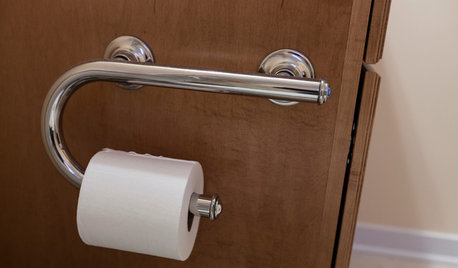
LIFEThe Absolute Right Way to Hang Toilet Paper. Maybe
Find out whether over or under is ahead in our poll and see some unusual roll hangers, shelves and nooks
Full Story
HOUZZ CALLShow Us the Best Kitchen in the Land
The Hardworking Home: We want to see why the kitchen is the heart of the home
Full Story
Ron Natalie
petey_racer
Related Professionals
Mountain Home General Contractors · Aberdeen General Contractors · Greensboro General Contractors · Oneonta General Contractors · Gulfport Home Remodeling · Huntington Home Remodeling · Janesville Home Remodeling · Minot Home Remodeling · Riverton Home Remodeling · Anchorage Home Remodeling · Indianapolis Bathroom Remodelers · Shreveport Bathroom Remodelers · Winston-Salem Bathroom Remodelers · Cookeville Bathroom Remodelers · Keene Bathroom RemodelersRon Natalie
User
axxelOriginal Author
Bruce in Northern Virginia