

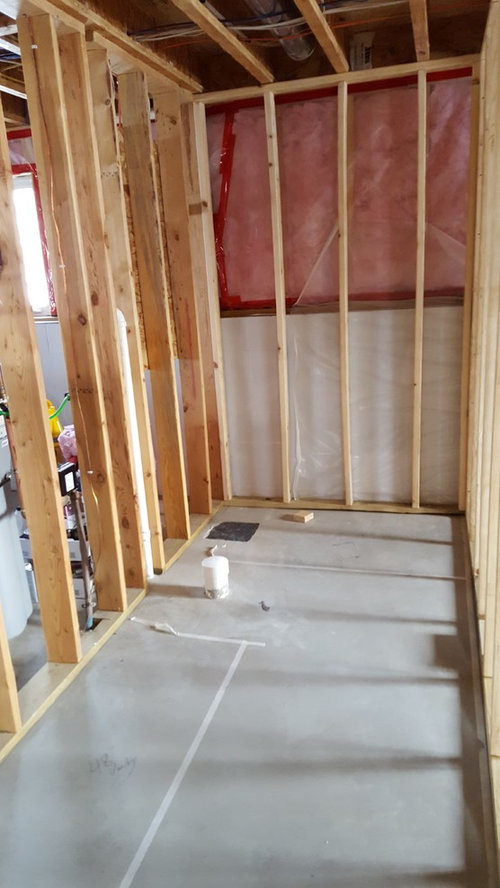
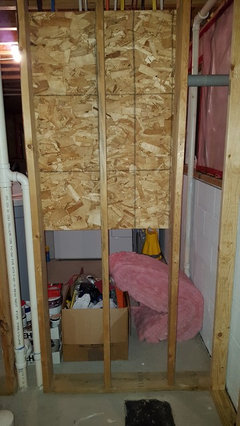
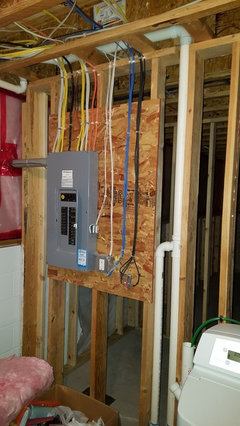
Can my shower share studs with the electrical panel behind it?
9 years ago
Featured Answer
Sort by:Oldest
Comments (12)
Related Professionals
Covington General Contractors · Winston-Salem General Contractors · Rock Hill General Contractors · Miami Home Remodeling · Topeka Home Remodeling · Lexington Home Remodeling · Louisville Home Remodeling · Philadelphia Home Remodeling · Pittsfield Home Remodeling · Muskegon Home Remodeling · Beatrice Home Remodeling · Syracuse Home Remodeling · Middletown Bathroom Remodelers · Saginaw Bathroom Remodelers · Altoona Bathroom Remodelers- 9 years ago
 9 years ago
- 8 years ago
- 3 years ago
 PRO3 years ago
- 3 years ago
- PRO3 years ago


Related Stories
DECORATING GUIDESQuick Fix: Find Wall Studs Without an Expensive Stud Finder
See how to find hidden wall studs with this ridiculously easy trick
Full Story
STORAGETap Into Stud Space for More Wall Storage
It’s recess time. Look to hidden wall space to build a nook that’s both practical and appealing to the eye
Full Story
BATHROOM DESIGNA Designer Shares Her Master-Bathroom Wish List
She's planning her own renovation and daydreaming about what to include. What amenities are must-haves in your remodel or new build?
Full Story
GREAT HOME PROJECTSHow to Create a Secret Doorway Behind a Bookcase
Hide your valuables (or unsightly necessities) in a room or nook that no one will guess is there
Full Story
LAUNDRY ROOMSWhere Can I Hide My Laundry Area?
It’s a case of now you see it, now you don’t with these 10 clever ways of fitting in a laundry zone
Full Story
LIFETelltale Signs You Live in a Shared House
A fight for counter space and a spreadsheet to organize your morning showers — yep, you have housemates
Full Story
SMALL HOMESCan You Live a Full Life in 220 Square Feet?
Adjusting mind-sets along with furniture may be the key to happiness for tiny-home dwellers
Full Story
GREEN BUILDINGGoing Solar at Home: Solar Panel Basics
Save money on electricity and reduce your carbon footprint by installing photovoltaic panels. This guide will help you get started
Full Story
MATERIALSAn Architect Shares His Go-To Materials
Aluminum doors, porcelain tiles, polished concrete. Here are the features and finishes this professional returns to time and again
Full Story
STUDIOS AND WORKSHOPSCreative Houzz Users Share Their ‘She Sheds’
Much thought, creativity and love goes into creating small places of your own
Full Story
Bob Dawes