

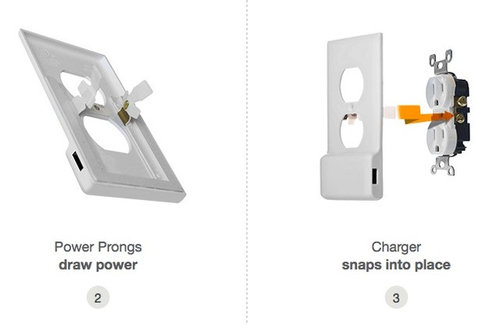
USB device on outlet faceplate?
9 years ago
Sort by:Oldest
Comments (13)
Related Stories
GREAT HOME PROJECTSPower to the People: Outlets Right Where You Want Them
No more crawling and craning. With outlets in furniture, drawers and cabinets, access to power has never been easier
Full Story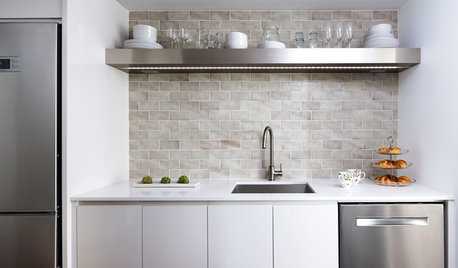
DECORATING GUIDESTricks to Hide Light Switches, Outlets and Toilet Roll Holders
Embrace camouflage and other design moves to make these eyesores virtually disappear
Full Story
Highlights From the 2012 Kitchen and Bath Industry Show
Innovations in sinks, outlets and surface materials for kitchens and baths shone at this year's show
Full Story
KITCHEN DESIGNHouzzers Say: Top Dream Kitchen Must-Haves
Tricked-out cabinets, clean countertops and convenience top the list
Full Story
HOME TECHSmall Solar: Big Home Tech Trend in the Making
New technology enables everyday household objects to power themselves by harnessing natural light
Full Story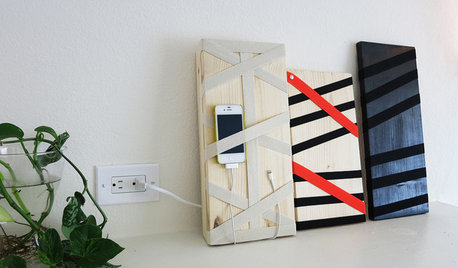
DIY PROJECTSHide All Those Wires in a DIY Charging Station
Keep your gadgets handy and charged with a flexible storage board you can design yourself
Full Story
ARTNew Digital Art Frame Gets Put to the Test
Our writer sets up the EO1 at home, then invites artist friends over for a look — at images of their own work. See what they have to say
Full Story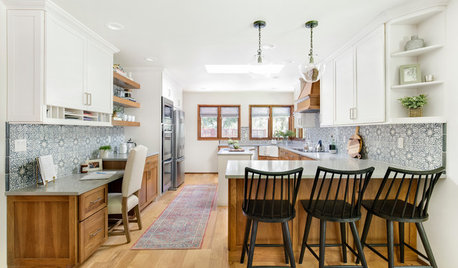
KITCHEN DESIGN6 Elements of an Effective Kitchen Office
Create a successful mini workspace with these features in mind
Full Story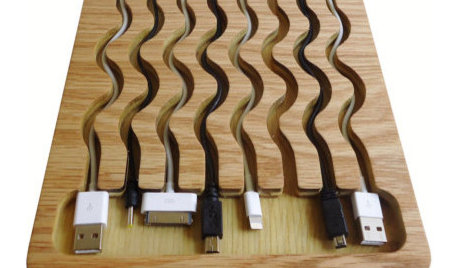
PRODUCT PICKSGuest Picks: Stay Charged
It’s power to the people with the coolest smartphone and tablet chargers, stations and cord organizers on the block
Full Story
KITCHEN DESIGNWhy Your Kitchen Wants Its Own iPad
Cooking-school gateway, recipe database, foodie networking ... an iPad in the kitchen has uses far beyond being a message center
Full Story

yankee4210
polingbill83Original Author
Related Professionals
Memphis General Contractors · Worcester General Contractors · Pittsburgh General Contractors · San Diego General Contractors · Denver General Contractors · Belleville Home Remodeling · Lufkin Home Remodeling · Santa Maria Home Remodeling · Twin Falls Home Remodeling · Quincy Bathroom Remodelers · Springfield Bathroom Remodelers · Baton Rouge Bathroom Remodelers · Gulfport Bathroom Remodelers · Knoxville Bathroom Remodelers · Grand Junction Bathroom RemodelersRon Natalie
greg_2015
greg_2015
yankee4210
Ron Natalie
yankee4210
polingbill83Original Author
yankee4210
Ron Natalie
greg_2015
Ron Natalie