

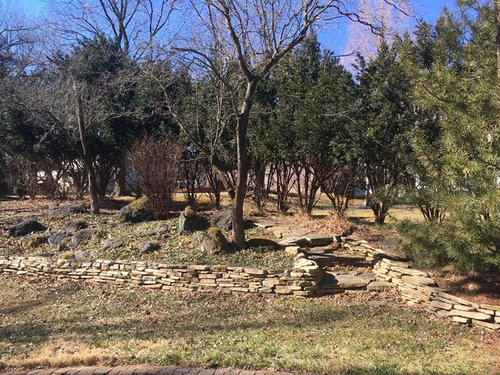
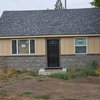
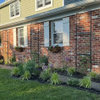
It's not yew, it's me...
7 years ago
last modified: 7 years ago
Featured Answer
Sort by:Oldest
Comments (11)
 7 years ago
- 7 years ago
Related Professionals
Atlanta Landscape Architects & Landscape Designers · Danville Landscape Architects & Landscape Designers · Worcester Landscape Contractors · Sarasota Decks, Patios & Outdoor Enclosures · Madison Decks, Patios & Outdoor Enclosures · Middlesboro Decks, Patios & Outdoor Enclosures · Fredericksburg Decks, Patios & Outdoor Enclosures · Longview Landscape Architects & Landscape Designers · Bloomington Landscape Architects & Landscape Designers · Chula Vista Landscape Architects & Landscape Designers · Hot Springs Landscape Contractors · Muskogee Landscape Contractors · Danville Landscape Contractors · Rochester Landscape Contractors · Yuma Landscape Contractors- 7 years agolast modified: 7 years ago
 PRO7 years ago
- 7 years ago
 PRO7 years ago
- 7 years ago
- 7 years ago
 7 years ago
 PRO7 years ago

Related Stories
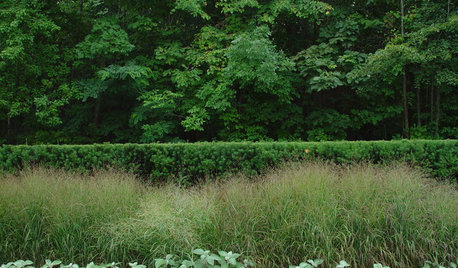
GARDENING GUIDESGreat Design Plant: Taxus x Media ‘Hicksii’
Need a strong, silent type in your garden? Hicks yew may be your perfect match
Full Story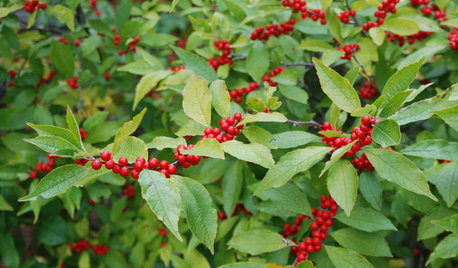
GARDENING GUIDES12 Gorgeous Flowers and Shrubs for Winter Gardens
These pick-me-up plants brighten gray days and add color, structure and fragrance when everything else is dormant
Full Story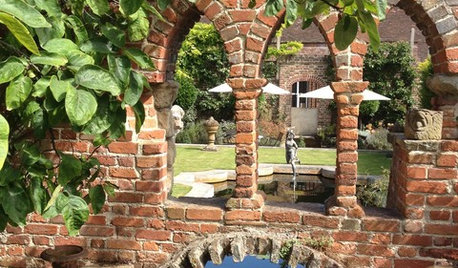
LANDSCAPE DESIGNExplore a Magical Restored English Garden
History comes alive in the gardens of a Rochester townhouse, filled with sculptural yew, a topiary parterre and an archway-draped pond
Full Story
HOME OFFICESExplore a Garden Designer’s Gem of a Backyard Studio
An architect helps transform an existing garage into a home office surrounded by beauty
Full Story
MY HOUZZMy Houzz: Classic Garden Style for a 1745 Connecticut Farmhouse
A boxwood maze, a sweet wildflower garden and lush plantings surround a designer’s East Coast home
Full Story
GARDENING GUIDESField Trip: Gather Ideas on a DIY Garden Tour
Get inspired by one gardener's local tour, then check out her suggestions for unofficial tours of your own
Full Story
LANDSCAPE DESIGNSimple Container Plantings for Intriguing Garden Design
Beyond mere decoration, thoughtfully chosen pared-down pots and plants can be integral to interest in the garden
Full Story
GARDENING GUIDES8 Native Shrubs for Year-Round Bird Feeding
It’s not just about berries. These plants provide insects for birds and seasonal interest for gardeners
Full Story
ARCHITECTUREDreaming Of: A House in the Woods
Designs for living among trees — in a real forest or where you live now
Full Story
LANDSCAPE DESIGNThe Weepers and the Creepers: 10 Intriguing Trees for Your Garden
Bring something a little different to your landscape with a tree that dives, twists or crawls
Full Story
Christopher CNC