

Raspberry & tomato
7 years ago
Featured Answer
Sort by:Oldest
Comments (6)
 PRO7 years ago
Related Professionals
Middletown Landscape Contractors · Rome Landscape Contractors · Abilene Landscape Contractors · Lawrence Landscape Contractors · Montrose Landscape Contractors · Richmond Landscape Architects & Landscape Designers · Portsmouth Landscape Contractors · Kahului Landscape Contractors · Beaumont General Contractors · Beckley General Contractors · Torrington General Contractors · Rutland General Contractors · Platteville General Contractors · Ogden General Contractors · Vancouver General Contractors- 7 years ago
 7 years ago
 7 years ago
 7 years ago

Related Stories
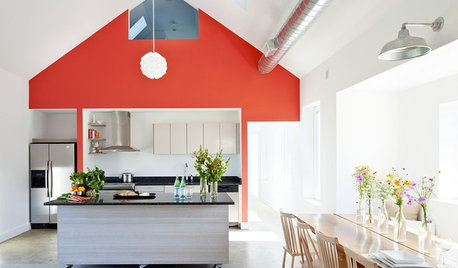
COLOR10 Reasons to Make a Splash With Tomato Red
You won’t duck at these tomatoes. See how bold red shades can play up architecture, light up a dark spot and add drama
Full Story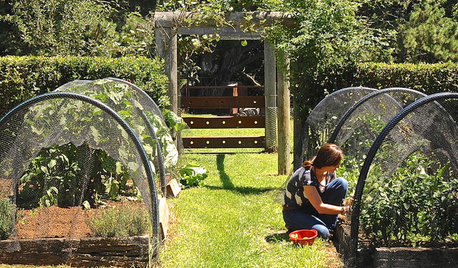
FARM YOUR YARDHouzz Call: Home Farmers, Show Us Your Edible Gardens
We want to see where your tomatoes, summer squashes and beautiful berries are growing this summer
Full Story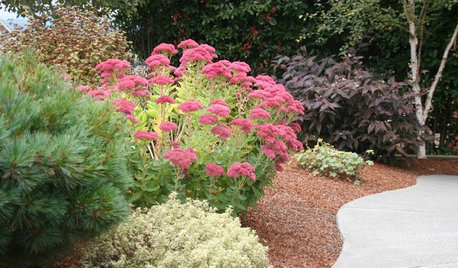
GARDENING GUIDESPacific Northwest Gardener's August Checklist
Deadheading perennials, cutting raspberry canes and preparing for the onion harvest keeps Northwest gardeners busy in August
Full Story
BATHROOM DESIGN8 Bold Paint Colors for Your Powder Room
Turn your powder room into a exclamation point with a bold shot of red, raspberry, hyacinth, rich brown or stormy blue
Full Story
GARDENING GUIDESNortheast Gardener's September Checklist
Pluck those tomatoes, enjoy ever-changing grasses and get an eyeful of exuberant zinnias
Full Story
LIFEPortrait of a Terribly Good Neighbor
Sometimes the best kind of neighbor isn't the kind you'd expect
Full Story
EDIBLE GARDENSThe Most Productive Fruits, Veggies and Herbs to Plant Right Now
These crops offer the best bang for the buck, earning their keep with plentiful harvests
Full Story
GARDENING AND LANDSCAPINGWorld of Design: 10 Home Gardeners Show Us Their Sweet Summer Harvests
From New York to Tokyo, these gardeners have turned their yards, terraces and rooftops into places of bounty
Full Story
SUMMER GARDENINGHouzz Call: Please Show Us Your Summer Garden!
Share pictures of your home and yard this summer — we’d love to feature them in an upcoming story
Full Story
FARM YOUR YARDAn Urban Greenhouse Overflows With Edibles
Making meals just means stepping into the yard for a San Francisco couple who revamped an old orchid house
Full Story

gardengal48 (PNW Z8/9)