

Stop Dampness from Drain Line?
7 years ago
Sort by:Oldest
Comments (2)

Related Stories
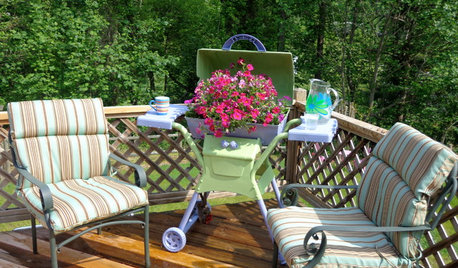
SALVAGEReinvent It: Make a Cheery Planter From an Old Eyesore
Don't ignore that yucky old grill growing rust in your yard — turn it into a lighthearted planter that's a joy to see
Full Story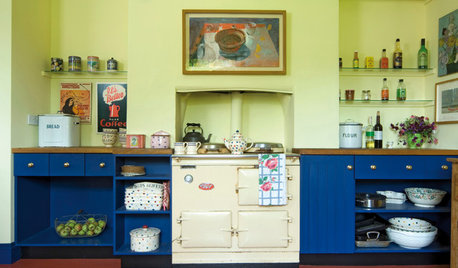
KITCHEN DESIGNIdeas to Steal From Your Fantasy Vacation-Cottage Kitchen
Try on these dreamy kitchens for size
Full Story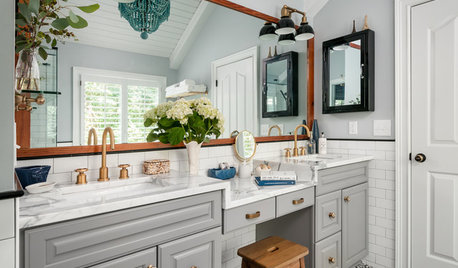
BATHROOM MAKEOVERSWhat I Learned From My Master Bathroom Renovation
Houzz writer Becky Harris lived through her own remodel recently. She shares what it was like and gives her top tips
Full Story
DECORATING GUIDESFrom Queasy Colors to Killer Tables: Your Worst Decorating Mistakes
Houzzers spill the beans about buying blunders, painting problems and DIY disasters
Full Story
KITCHEN DESIGN16 Practical Ideas to Borrow From Professional Kitchens
Restaurant kitchens are designed to function efficiently and safely. Why not adopt some of their tricks in your own home?
Full Story
BATHROOM DESIGNHow to Choose the Best Drain for Your Shower
Don't settle for a cheap fix when you can pick a shower drain that suits your style preferences and renovation codes alike
Full Story
REMODELING GUIDES8 Lessons on Renovating a House from Someone Who's Living It
So you think DIY remodeling is going to be fun? Here is one homeowner's list of what you may be getting yourself into
Full Story
MOST POPULAR15 Remodeling ‘Uh-Oh’ Moments to Learn From
The road to successful design is paved with disaster stories. What’s yours?
Full Story
EXTERIORSWhere Front Yards Collide: Property Lines in Pictures
Some could be twins; others channel the Odd Couple. You may never look at property boundaries the same way again
Full Story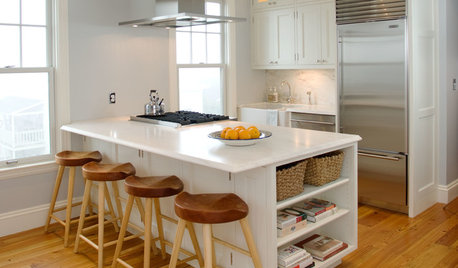
KITCHEN DESIGN20 Kitchen Must-Haves From Houzz Readers
We asked you to tell us your top kitchen amenities. See what popular kitchen features made the list
Full Story
User
chas045Original Author
Related Professionals
Great Bend General Contractors · Webster General Contractors · Manchester General Contractors · Palm Desert General Contractors · Queens General Contractors · Brunswick Home Remodeling · Bowling Green Home Remodeling · Hattiesburg Home Remodeling · McAlester Home Remodeling · Newark Home Remodeling · Paducah Bathroom Remodelers · Enfield Bathroom Remodelers · Manhattan Bathroom Remodelers · Olean Bathroom Remodelers · Glenwood Springs Bathroom Remodelers