

Window condensation damage
10 months ago
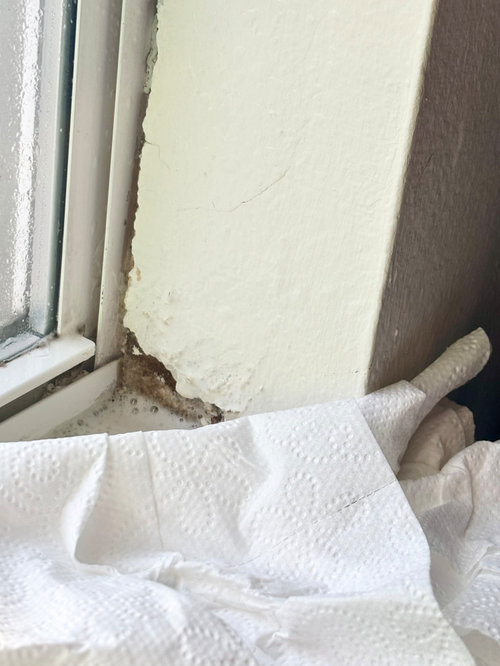
Featured Answer
Sort by:Oldest
Comments (7)
 PRO10 months ago
 PRO10 months ago
Related Professionals
Madison Home Stagers · London Home Stagers · Plainfield Custom Closet Designers · Lincoln Custom Closet Designers · Fayetteville Interior Designers & Decorators · Rocky Mount Interior Designers & Decorators · Petersburg Home Remodeling · Ontario Home Remodeling · Moline General Contractors · Bronx General Contractors · Danbury Bathroom Remodelers · Emporia General Contractors · Laconia Home Remodeling · Muskegon Interior Designers & Decorators · Leamington Interior Designers & Decorators PRO10 months ago


Related Stories

WINDOW TREATMENTSA Surefire Way to Prevent Sun Damage Indoors
Why let light ruin your furniture, floors and artwork, when the solution could be as simple as applying high-quality window film?
Full Story
HEALTHY HOMEGet Cleaner Indoor Air Without Opening a Window
Mechanical ventilation can actually be better for your home than the natural kind. Find out the whys and hows here
Full Story
WINDOWSAwkward Windows and Doors? We've Got You Covered
Arched windows, French doors and sidelights get their due with treatments that keep their beauty out in the open
Full Story
WINDOW TREATMENTSEasy Green: 9 Low-Cost Ways to Insulate Windows and Doors
Block drafts to boost both warmth and energy savings with these inexpensive but effective insulating strategies
Full Story
BATHROOM DESIGNWater Damage Spawns a Space-Saving Bathroom Remodel
A game of inches saved this small New York City bathroom from becoming too cramped and limited
Full Story
WINDOWSSteel-Framed Windows Leap Forward Into Modern Designs
With a mild-mannered profile but super strength, steel-framed windows are champions of design freedom
Full Story
WINDOWSHow to Ditch the Drapes and Let Your Windows Shine
If your home has beautiful windows and you don’t need to hide a view, consider dressing them in these elegant, creative ways
Full Story
HOUSEKEEPINGProtect Your House From Winter Water Damage
Avoid costly repairs by learning to spot potential problem areas before water damage is done
Full Story
Replace Your Windows and Save Money — a How-to Guide
Reduce drafts to lower heating bills by swapping out old panes for new, in this DIY project for handy homeowners
Full Story
WINDOW TREATMENTSHow to Choose the Right Window Blinds
Get the privacy, light filtering and look you want with this breakdown of blind options
Full Story



woodbutcher_ca