
8 Landscape Pros’ Top Tips for Adding Shade to Your Yard
Experts offer quick fixes and lasting solutions to bring shade, comfort and style to your outdoor living areas

Is your yard a little too sunny for comfort? The right mix of shade sources not only can cool things down and make your outdoor spaces more inviting, but also can enhance the overall design of your landscape. To help you find the best approach, eight landscape experts share their take on the pros and cons of shade options ranging from quick fixes to long-term investments.
A few themes stand out in their advice: Umbrellas are hard to beat for instant shade and flexibility, pergolas and other structures deliver the most reliable coverage for outdoor living, and planting a shade tree is the best investment for natural shade.
A few themes stand out in their advice: Umbrellas are hard to beat for instant shade and flexibility, pergolas and other structures deliver the most reliable coverage for outdoor living, and planting a shade tree is the best investment for natural shade.
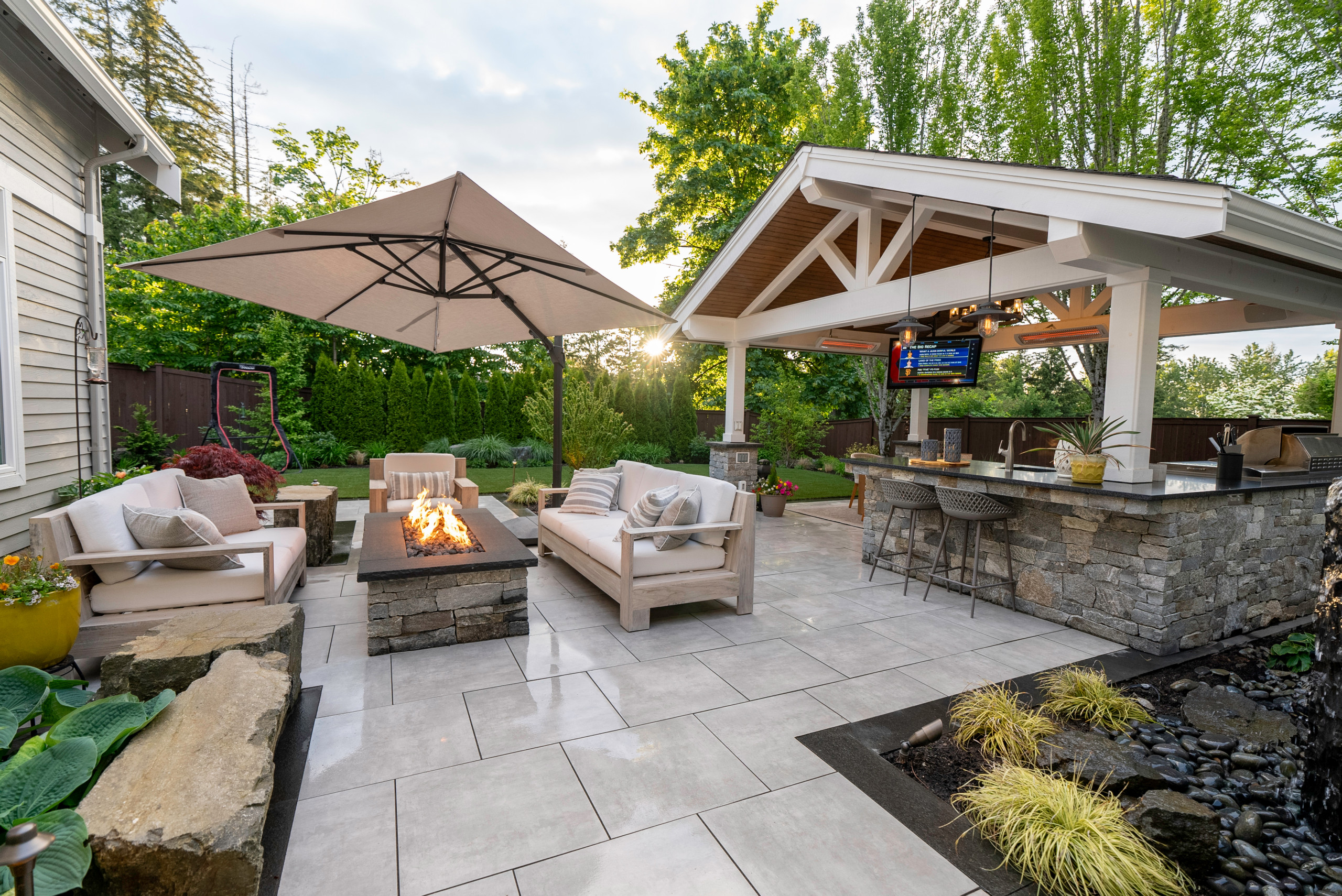
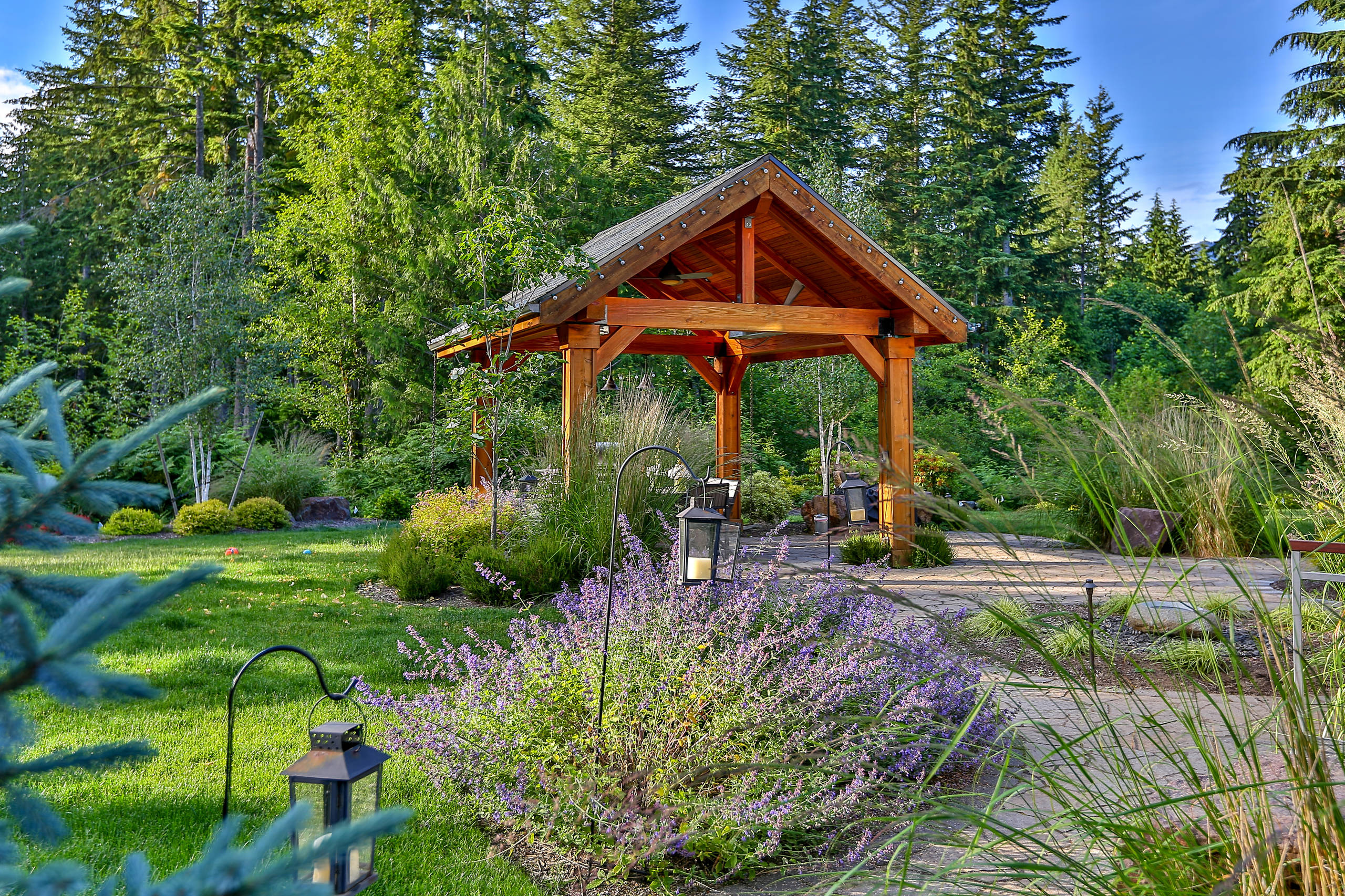
If you’re thinking more long term, Zarra suggests considering installing a pergola, solid-roof pavilion or covered outdoor kitchen. “You can plan for it to blend seamlessly with your landscape design and also serve a purpose,” he says.
In the backyard retreat shown here in North Bend, Washington, the Alderwood team installed a covered pavilion that perfectly suits its Pacific Northwest setting. Featuring sturdy wood posts and beams, a peaked roof with full coverage and integrated outdoor lighting, it provides a shady, rain-free spot for dining while enhancing the overall landscape.
See more of this project
What to Know About Adding a Pergola
In the backyard retreat shown here in North Bend, Washington, the Alderwood team installed a covered pavilion that perfectly suits its Pacific Northwest setting. Featuring sturdy wood posts and beams, a peaked roof with full coverage and integrated outdoor lighting, it provides a shady, rain-free spot for dining while enhancing the overall landscape.
See more of this project
What to Know About Adding a Pergola
2. José Roberto Corea, landscape designer
Austin Outdoor Design
Austin, Texas
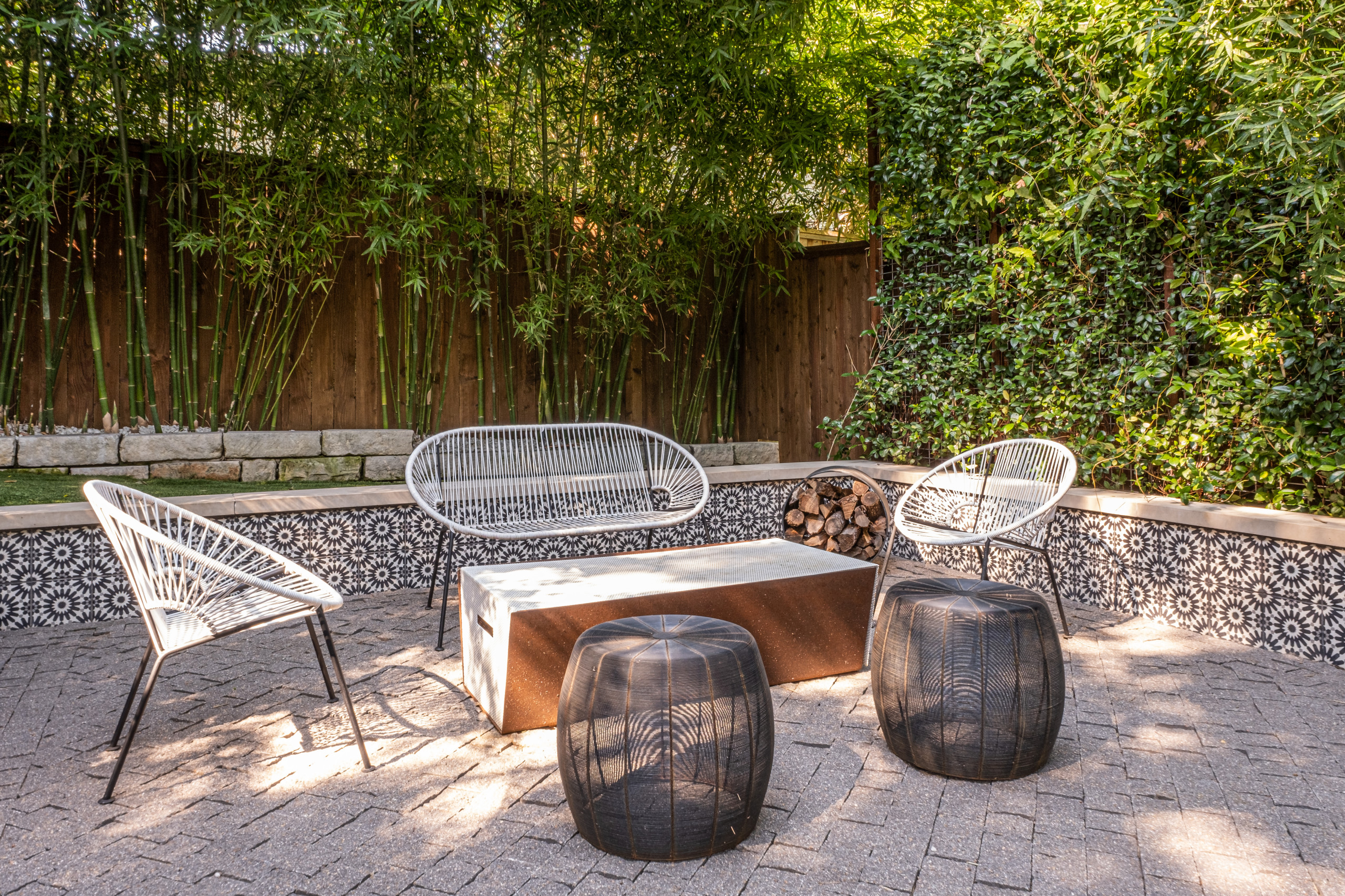
Whether in the form of trees or shade structures, José Roberto Corea says that bringing shade into a garden offers a range of benefits. “It allows you to get outside and make the most of your space year round,” he says. Beyond comfort, shade elements can enhance a garden’s design. “They help define different areas, creating rooms within the yard and making it multifunctional,” Corea says. “Trees and shade structures also add elevation to your landscape.”
Adding trees along with other greenery is always a smart choice, he says, although placement is important. “Here in Central Texas, we look to plant on the west side of the yard, as we have hot afternoons and evenings,” Corea says. When selecting new trees with shade in mind, he usually opts for ones that are about 15 feet tall. “They’re big enough to provide some relief immediately, but not overwhelming in size or cost,” he says.
See more of this project
When and How to Plant a Tree, and Why You Should
Austin Outdoor Design
Austin, Texas
Whether in the form of trees or shade structures, José Roberto Corea says that bringing shade into a garden offers a range of benefits. “It allows you to get outside and make the most of your space year round,” he says. Beyond comfort, shade elements can enhance a garden’s design. “They help define different areas, creating rooms within the yard and making it multifunctional,” Corea says. “Trees and shade structures also add elevation to your landscape.”
Adding trees along with other greenery is always a smart choice, he says, although placement is important. “Here in Central Texas, we look to plant on the west side of the yard, as we have hot afternoons and evenings,” Corea says. When selecting new trees with shade in mind, he usually opts for ones that are about 15 feet tall. “They’re big enough to provide some relief immediately, but not overwhelming in size or cost,” he says.
See more of this project
When and How to Plant a Tree, and Why You Should
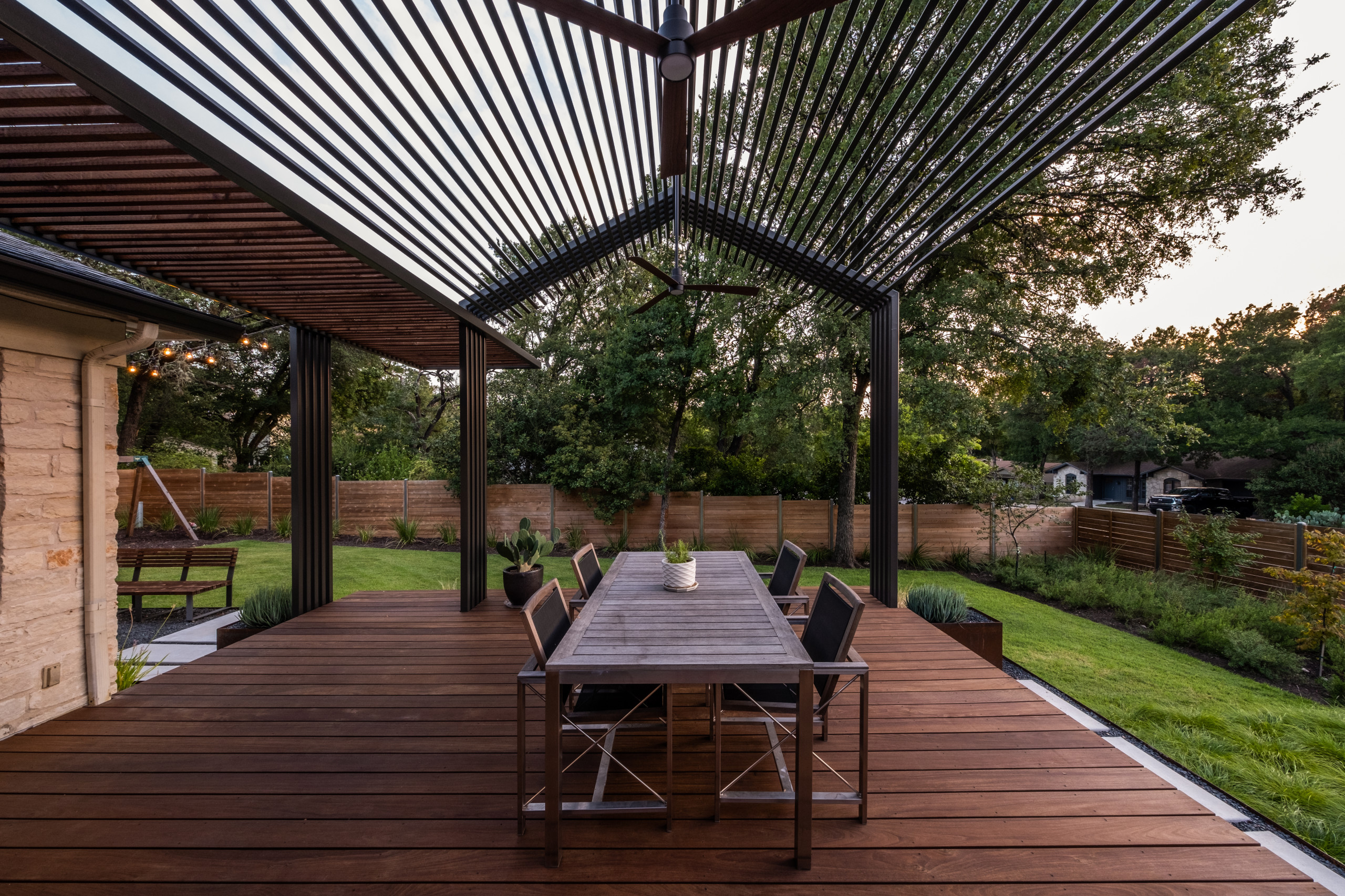
For easy indoor-outdoor living, Corea recommends positioning shade structures close to the house and designing them to complement its architecture. In the example shown here, the large pergola’s roofline mirrors that of the home, making it feel like a cohesive extension. Open rafters overhead allow in filtered light, while ceiling fans with lights help keep the space cool throughout the day and inviting into the evening. “Fans make a big difference,” Corea says.
Adjacent to the pergola is a flat-roofed area that provides more complete coverage, offering shelter from rain while still encouraging time outdoors.
See more of this project
Adjacent to the pergola is a flat-roofed area that provides more complete coverage, offering shelter from rain while still encouraging time outdoors.
See more of this project
3. Elizabeth Przygoda, landscape designer
Boxhill
Tucson, Arizona
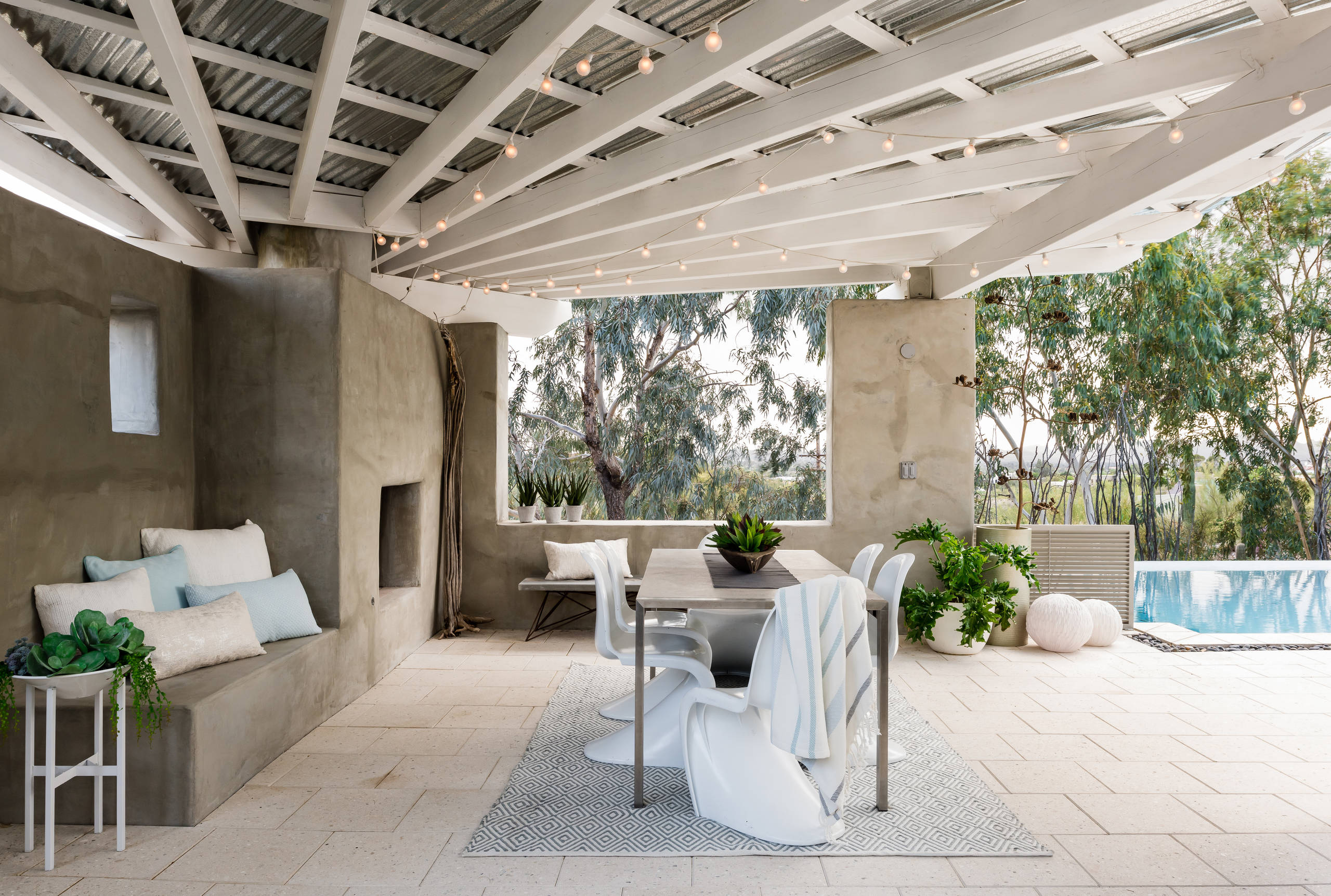
Elizabeth Przygoda says that shade is one of the most important — and most asked-about — elements in landscape design, especially in warmer regions such as the Southwest. “The good news is, whether you need something quick or you’re planning a more permanent solution, there are great options at every level,” she says.
Boxhill
Tucson, Arizona
Elizabeth Przygoda says that shade is one of the most important — and most asked-about — elements in landscape design, especially in warmer regions such as the Southwest. “The good news is, whether you need something quick or you’re planning a more permanent solution, there are great options at every level,” she says.
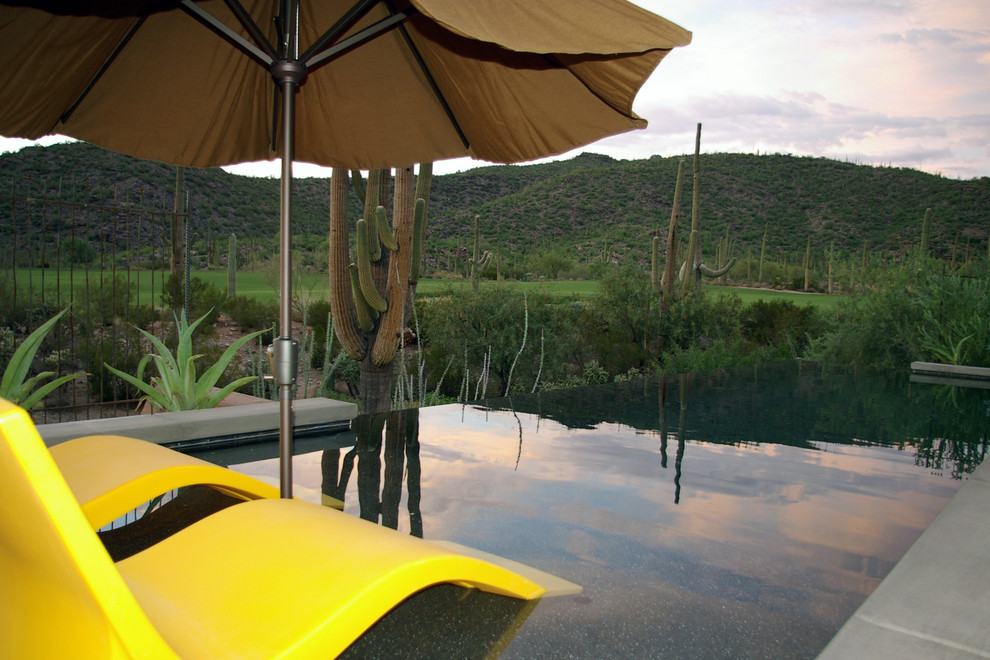
Przygoda is another fan of bringing in a well-placed, high-quality umbrella as an instant fix. “A larger cantilever umbrella can provide generous shade right where you need it, and it’s something you can buy and use the same day,” she says. She adds that umbrellas are especially great for patios and dining areas, and for poolside lounging, as seen here. “And you can move them seasonally as your needs change,” she says.
See more of this project
See more of this project
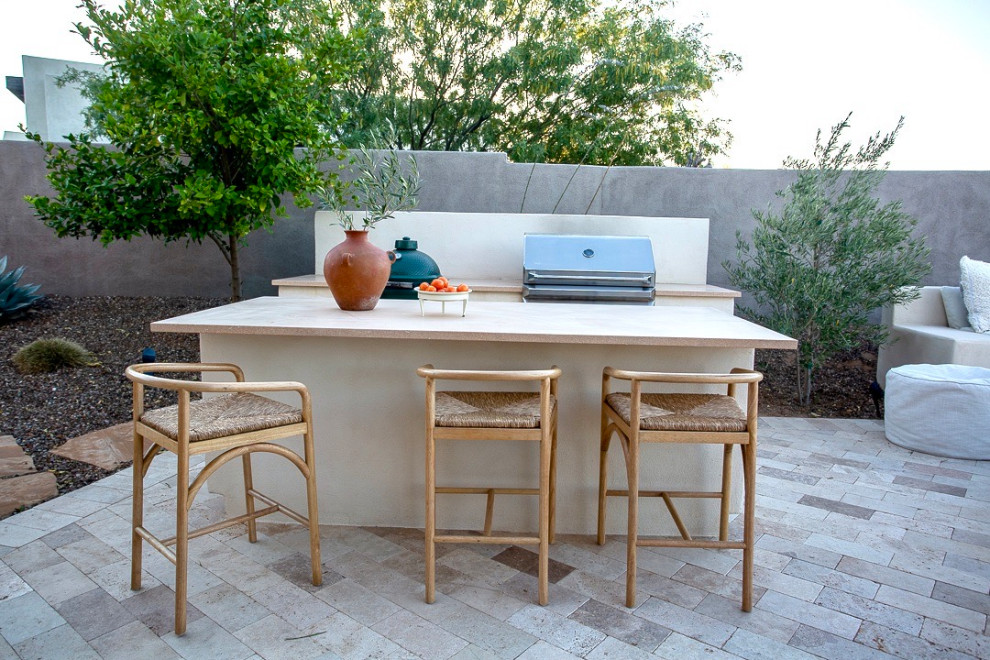
For a longer-term solution, Przygoda says evergreen shade trees are an unbeatable investment. While they don’t provide instant shade, she says that over the years, they not only will provide natural cooling but also will add beauty and structure to the yard. “Placement is key,” she says. Even if you’re not ready to plant just yet, she advises mapping out where you might want a tree cover in the future. “It will pay off,” she says. The newly planted shade tree seen here is currently small but will grow to partially shade the patio.
See more of this project
See more of this project
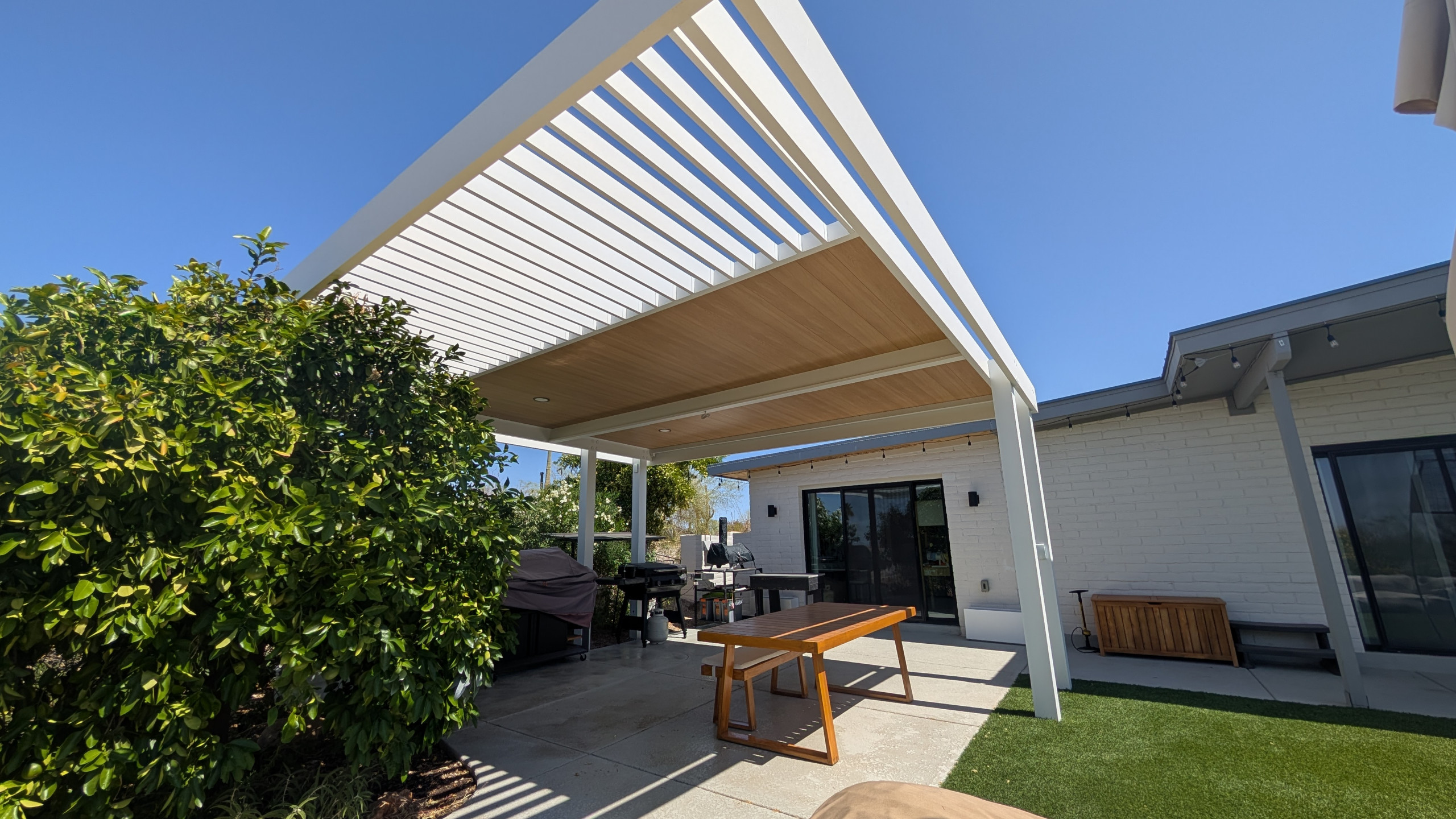
For a more architectural approach, Przygoda recommends installing a structural shade system, such as the sleek, modern one seen here. “This is a powder-coated-aluminum system, which is durable, requires little maintenance and looks fantastic,” she says. “It also installs in as little as three days.”
Przygoda’s last bit of advice is to mix things up: “Whether you’re going for instant relief or thinking ahead, a mix of movable shade and permanent structures can give you the flexibility and style you need all year long.”
See more of this project
Przygoda’s last bit of advice is to mix things up: “Whether you’re going for instant relief or thinking ahead, a mix of movable shade and permanent structures can give you the flexibility and style you need all year long.”
See more of this project
4. Jeff True, vice president of operations
Hursthouse Landscape
Bolingbrook, Illinois
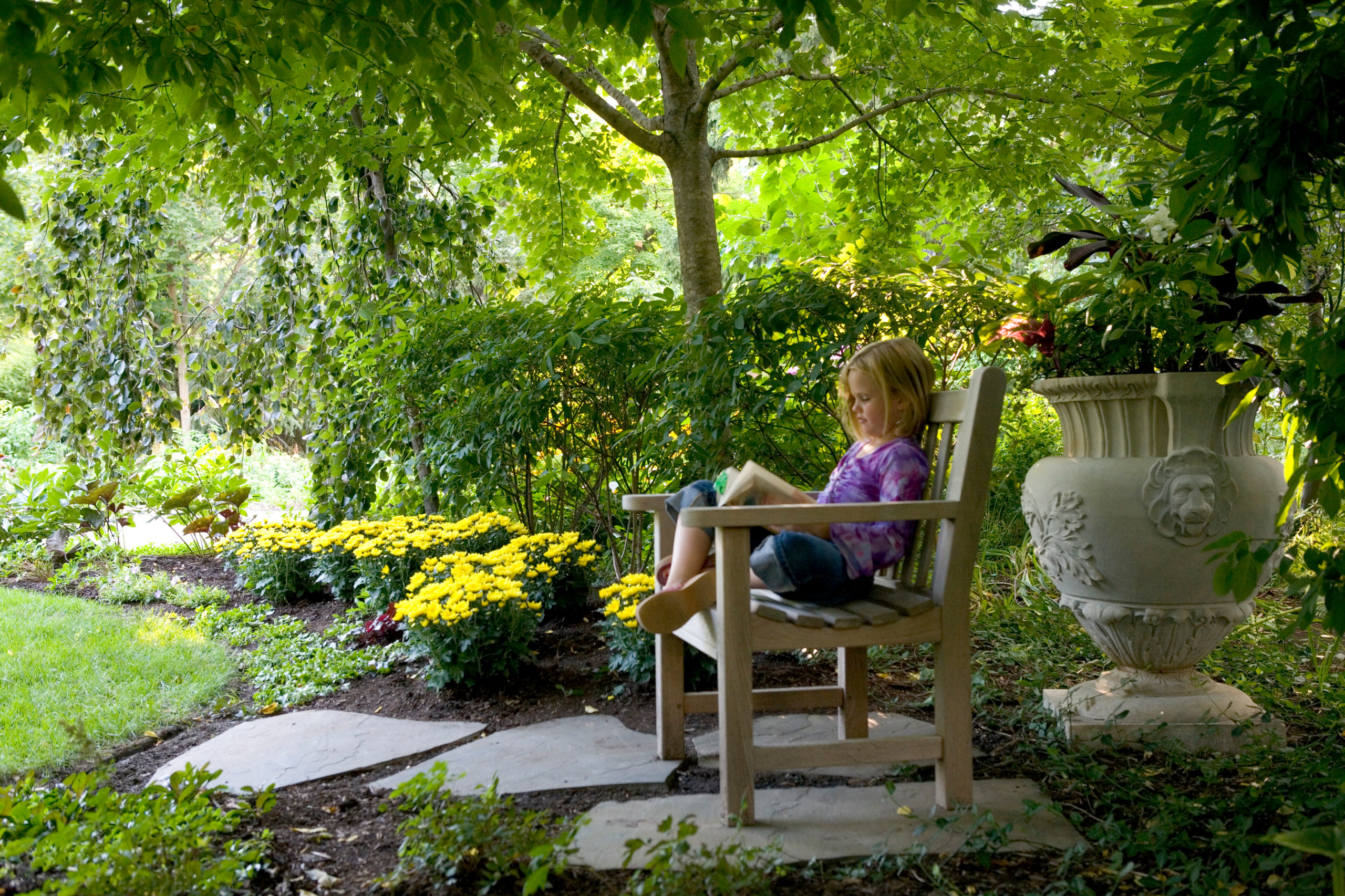
Jeff True is a champion of shade trees when it comes to beating the sun and heat. “The shade tree is always a terrific option for relief from the sun,” he says. To make the most of a shade tree, he says, placement is the primary consideration. “Strategically place the shade tree for shade on the patio or deck at the time of day most desired, typically later in the afternoon and dinnertime,” True says.
See more of this project
Hursthouse Landscape
Bolingbrook, Illinois
Jeff True is a champion of shade trees when it comes to beating the sun and heat. “The shade tree is always a terrific option for relief from the sun,” he says. To make the most of a shade tree, he says, placement is the primary consideration. “Strategically place the shade tree for shade on the patio or deck at the time of day most desired, typically later in the afternoon and dinnertime,” True says.
See more of this project
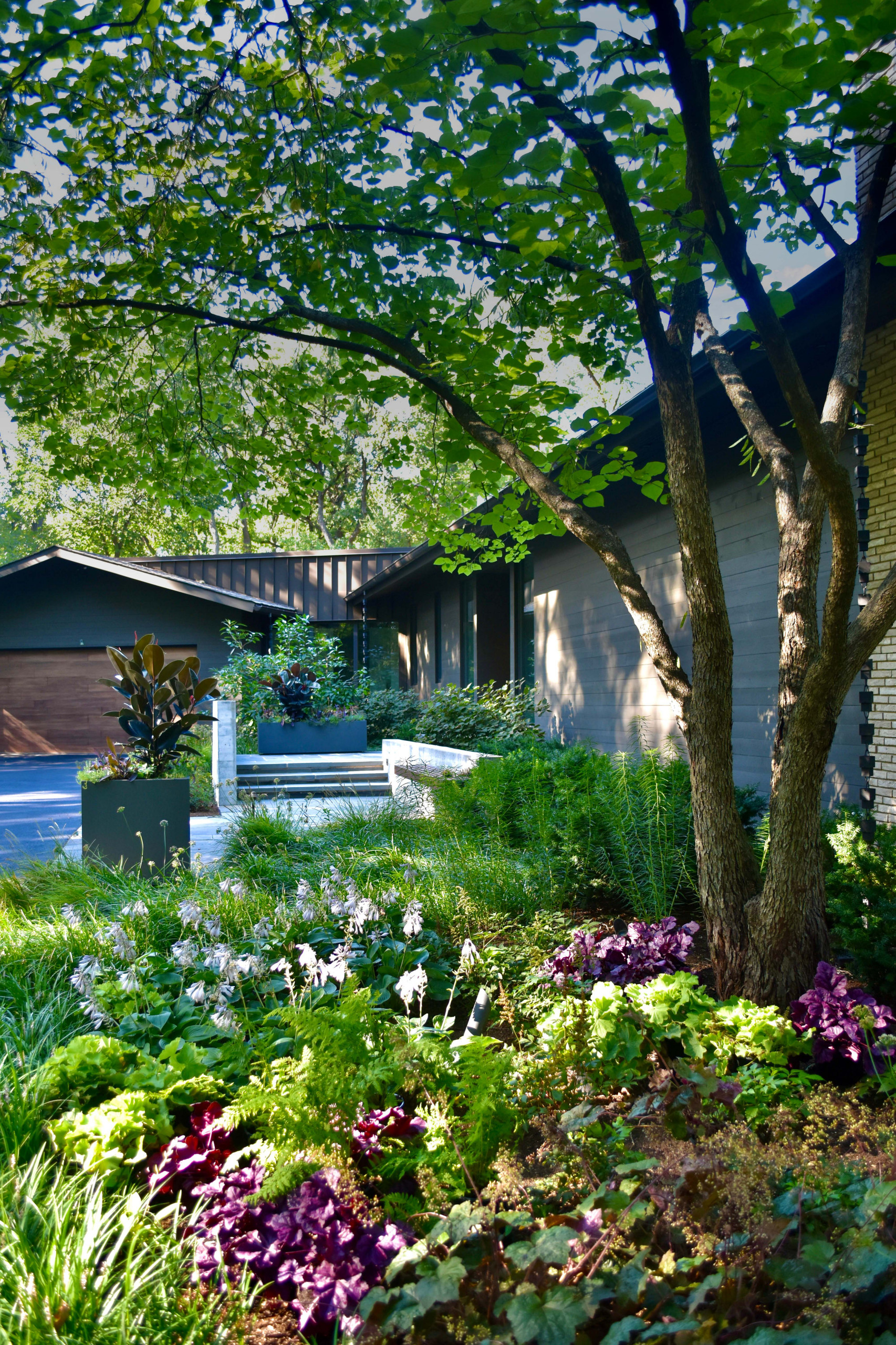
If you’re adding a shade tree to your landscape rather than planning around existing trees, True recommends looking for one that is a moderate size, with a trunk caliper of about 3 to 5 inches. “It will have a substantial look immediately, and will come out of transplant shock quickly and start growing and adding size for shade,” he says.
True adds that if you want shade soon, choose a tree that grows quickly, ideally 3 to 5 inches per year. “I really like Triumph elm [Ulmus ‘Morton Glossy’, USDA zones 4 to 6; find your zone] and hybrid maple varieties for their quick growth,” he says.
See more of this project
True adds that if you want shade soon, choose a tree that grows quickly, ideally 3 to 5 inches per year. “I really like Triumph elm [Ulmus ‘Morton Glossy’, USDA zones 4 to 6; find your zone] and hybrid maple varieties for their quick growth,” he says.
See more of this project
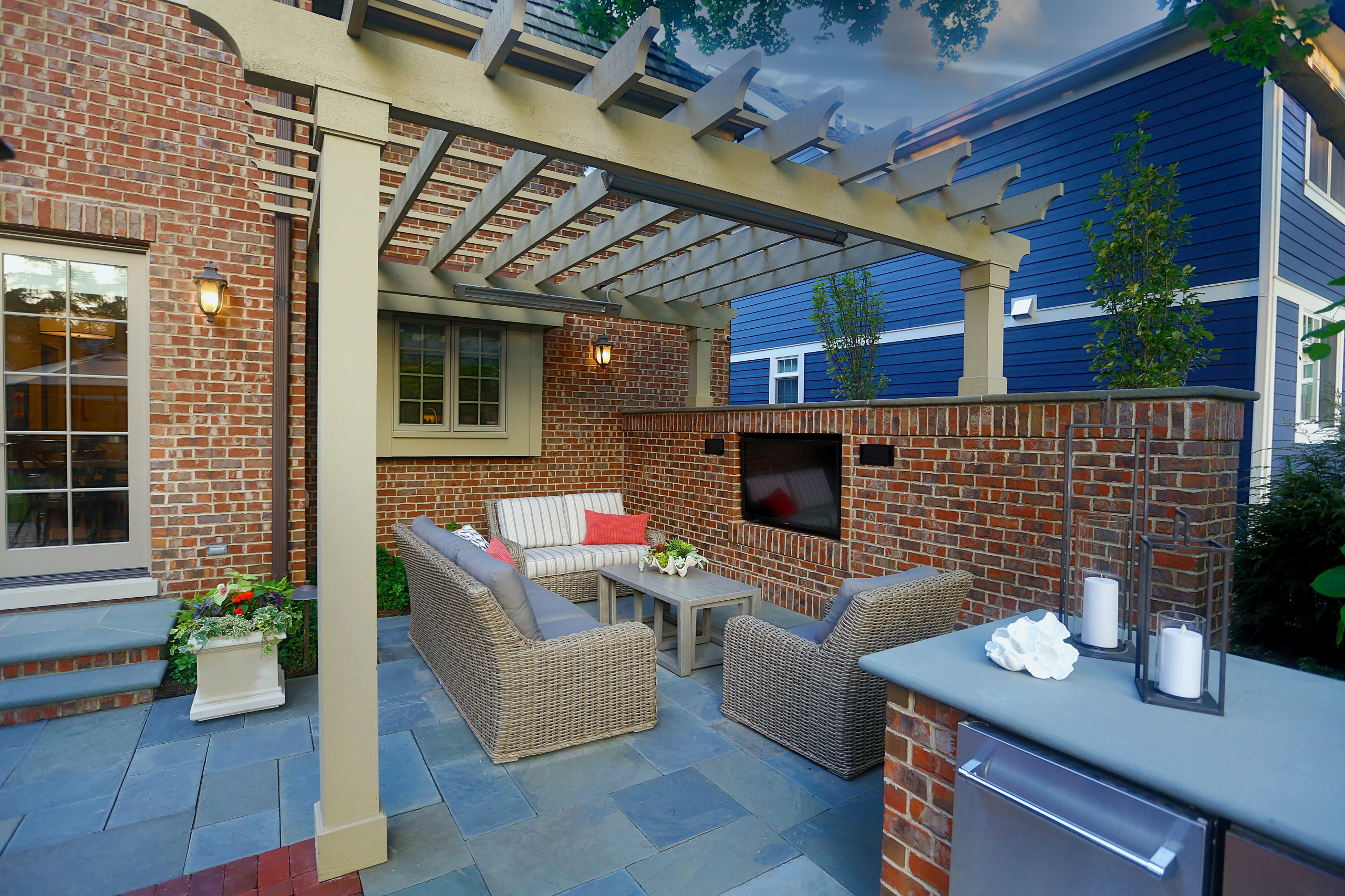
If a shade tree is not a viable option or you’re looking for a built structure, True recommends considering a pergola. He says that a traditional pergola, such as the one seen here, doesn’t provide as much shade as a solid overhead, but today’s options offer more features than previously. “There are electric louvered pergola tops that can open and close, and not only give relief from the sun but also from a light rainfall,” True says.
New to home remodeling? Learn the basics
New to home remodeling? Learn the basics
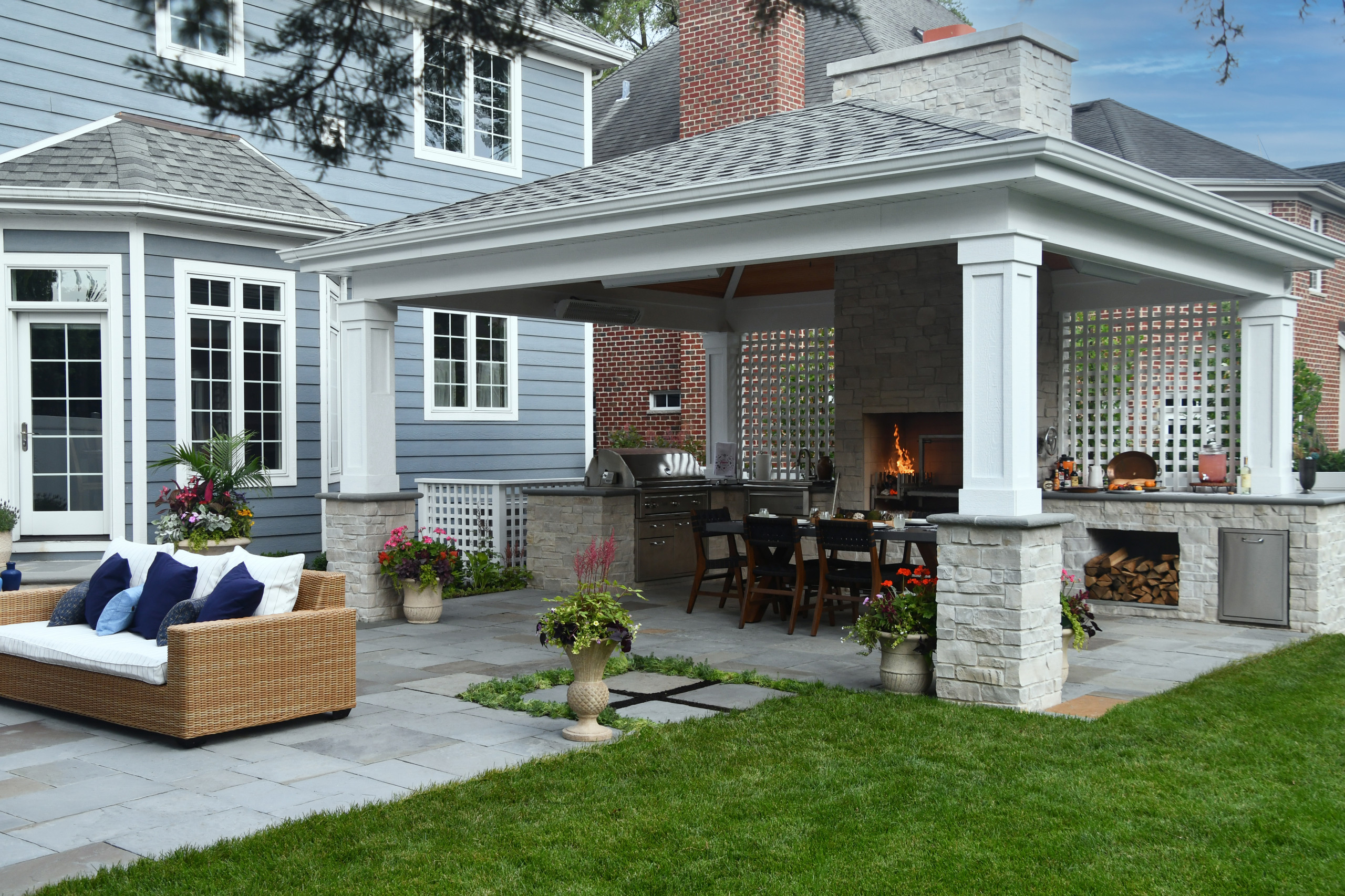
What True considers the pinnacle of shade structures is a custom-built solid roof pavilion that gives total shade. It also allows you to add lights, fans, heaters, speakers, a TV, side walls or screens and, in the case of the pavilion seen here, even an Argentine-style grill. “The sky’s the limit on these custom beauties,” he says.
See more of this project
10 Outdoor Pavilions for Savoring Summer
See more of this project
10 Outdoor Pavilions for Savoring Summer
5. Isara Ongwiseth, lead designer
FormLA Landscaping
Los Angeles
Isara Ongwiseth says that while there are many options for shade, he and his team like to go old school and plant trees. “They not only shade but they actively cool and clean the air,” he says. Ongwiseth adds that the tree types and planting locations are critical parts of an overall landscape design. “We tend to plant deciduous trees where cool is needed in summer and heat in winter,” he says.
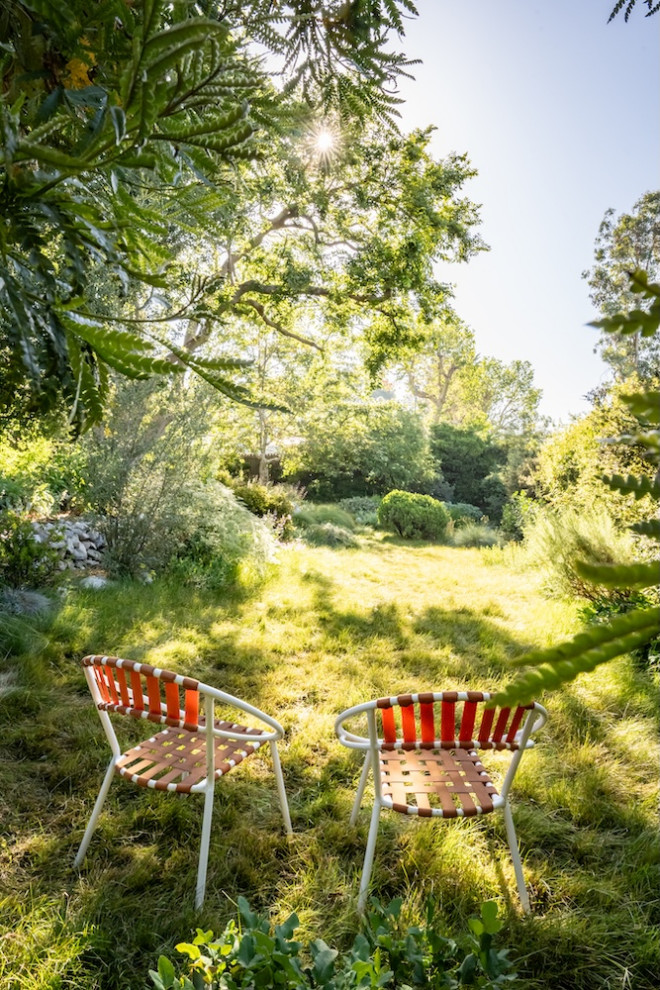
Ongwiseth also considers how fast the trees will grow, especially if they are needed for shade. The Catalina ironwood tree (Lyonothamnus floribundus asplenifolius, zones 9 to 11) seen in the forefront of this photo has reached a respectable height in just five years. Across the meadow, a young California sycamore (Platanus racemosa, zones 6 to 10), an elderberry (Sambucus canadensis, zones 3 to 9) and a young oak (Quercus spp.) already mask the neighbors’ fence and will continue to grow and spread for even more shade coverage.
See more of this project
FormLA Landscaping
Los Angeles
Isara Ongwiseth says that while there are many options for shade, he and his team like to go old school and plant trees. “They not only shade but they actively cool and clean the air,” he says. Ongwiseth adds that the tree types and planting locations are critical parts of an overall landscape design. “We tend to plant deciduous trees where cool is needed in summer and heat in winter,” he says.
Ongwiseth also considers how fast the trees will grow, especially if they are needed for shade. The Catalina ironwood tree (Lyonothamnus floribundus asplenifolius, zones 9 to 11) seen in the forefront of this photo has reached a respectable height in just five years. Across the meadow, a young California sycamore (Platanus racemosa, zones 6 to 10), an elderberry (Sambucus canadensis, zones 3 to 9) and a young oak (Quercus spp.) already mask the neighbors’ fence and will continue to grow and spread for even more shade coverage.
See more of this project
Ongwiseth works in many high-fire-risk areas, which also factors into his choices for both trees and other shade options. “Where foliage can serve as an ember blocker, we look for drought- and heat-resistant evergreen foliage that produces minimal leaf litter,” he says.
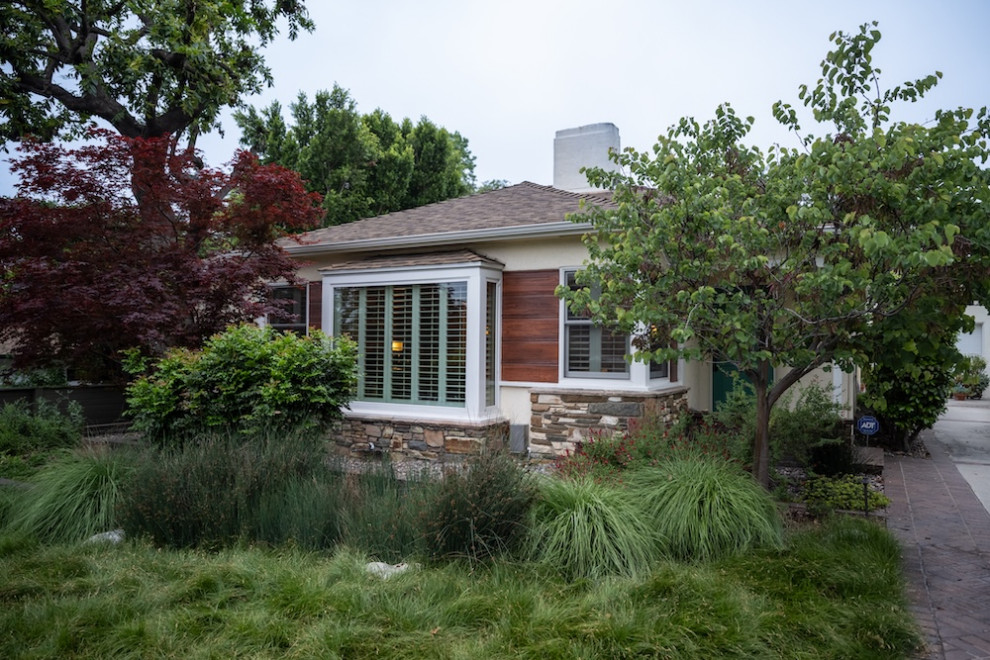
He also places trees at least five feet away from the house, as was done with the western redbud (Cercis occidentalis, zones 7 to 9) at the right in this photo. While it’s difficult to tell from the photo angle, the tree is planted the recommended distance of 5 feet away from the house to keep embers from reaching it or other structures. “If a tree canopy connects with the roof or siding, it can also connect pests as well as wildfire to the home’s interior,” Ongwiseth says.
See more of this project
He also places trees at least five feet away from the house, as was done with the western redbud (Cercis occidentalis, zones 7 to 9) at the right in this photo. While it’s difficult to tell from the photo angle, the tree is planted the recommended distance of 5 feet away from the house to keep embers from reaching it or other structures. “If a tree canopy connects with the roof or siding, it can also connect pests as well as wildfire to the home’s interior,” Ongwiseth says.
See more of this project
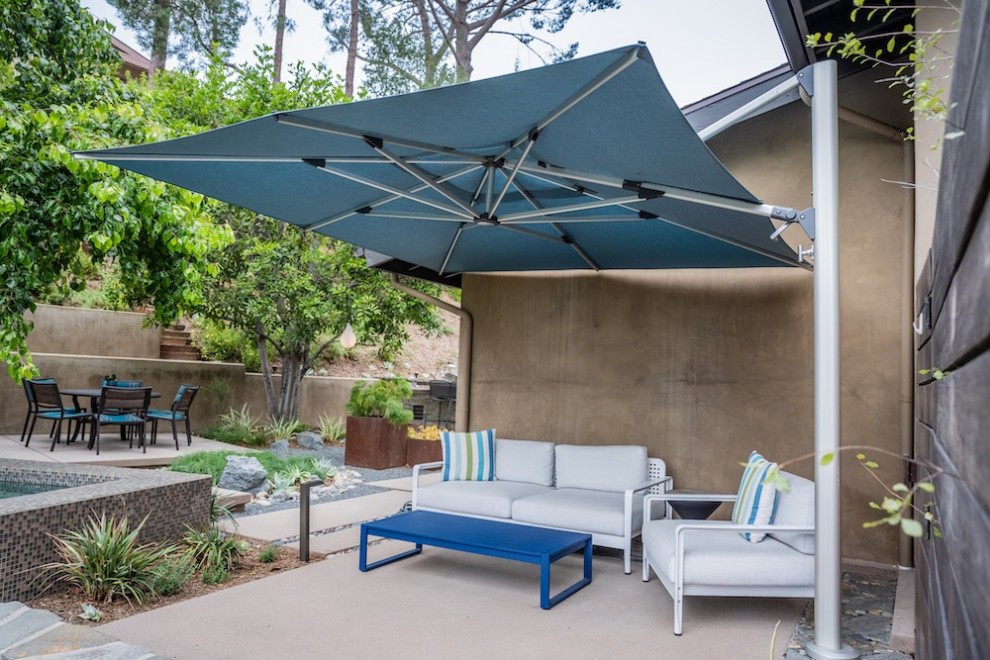
For projects in high-fire-risk areas, Ongwiseth is cautious about the other shade materials he brings on-site, especially if they are human-made. “They can be easy to ignite or be flammable and/or explosive,” he says. For that reason, he focuses on items that can be easily folded or stored when not in active use, such as the umbrella and cushions seen in this photo.
See more of this project
Fire-Wise Landscapes Can Help Keep Your Home and Property Safe
See more of this project
Fire-Wise Landscapes Can Help Keep Your Home and Property Safe
6. Kevin Kurdziolek, landscape architect
Pristine Acres
Great Falls, Virginia
Kevin Kurdziolek says that the main factors for deciding what shade option best are how you imagine using the space and what level of investment you want to put into an indoor-outdoor lifestyle. He adds that while the cost for permanent structures is more than for temporary solutions, he has found that their benefits extend beyond the value of the structures themselves. “Adding an outdoor structure greatly increases the use of all the other outdoor features,” he says.
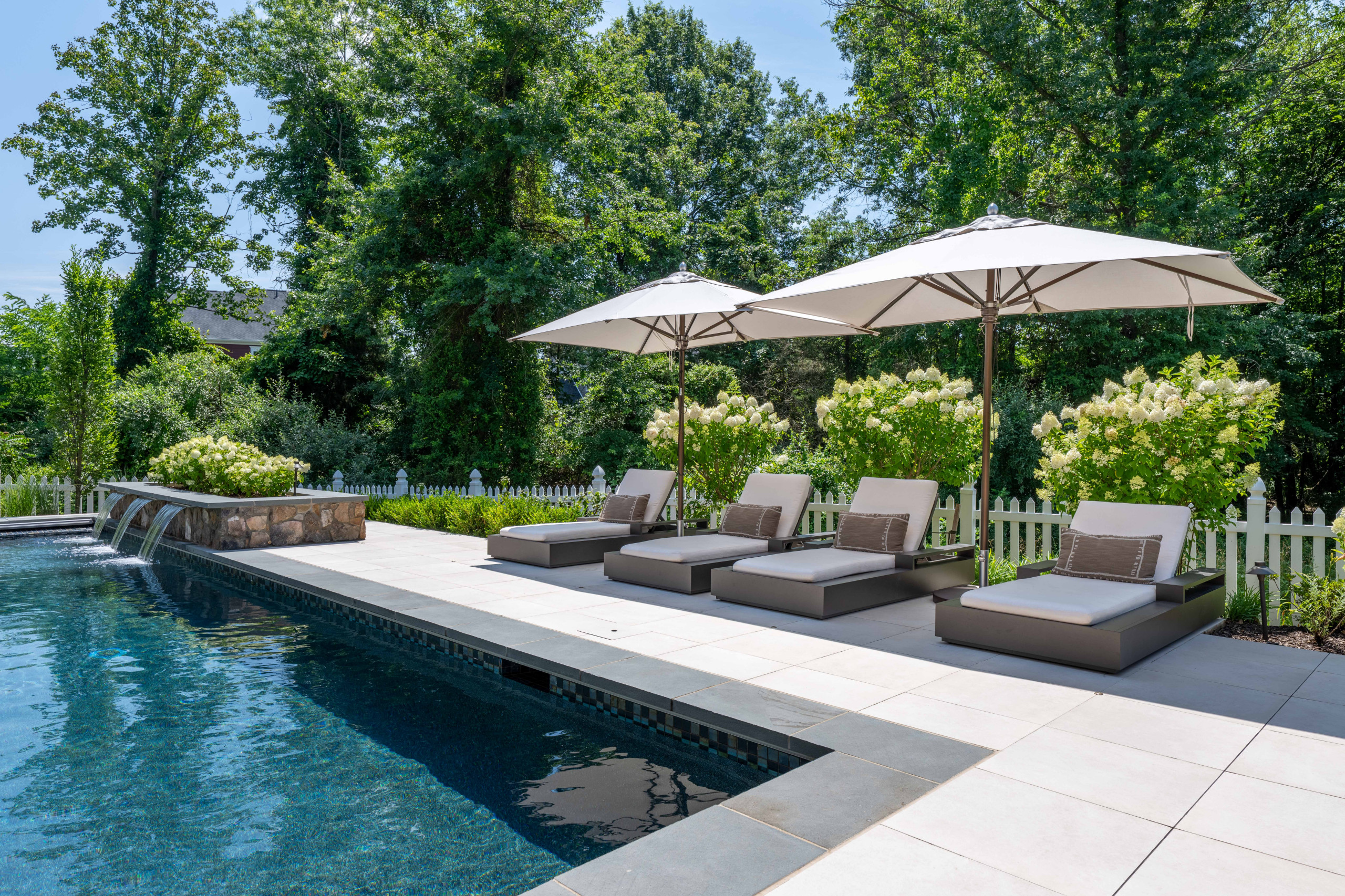
Kurdziolek recommends bringing in one or more umbrellas, such as in the setup at the pool seen here, if you want temporary shade that can be easily moved out of the way or stored. “Umbrellas also can be opened or closed, or be adjusted based on the angle of the sun,” he says. “There are also electric options that have easy open-close buttons and lighting built in.”
See more of this project
Pristine Acres
Great Falls, Virginia
Kevin Kurdziolek says that the main factors for deciding what shade option best are how you imagine using the space and what level of investment you want to put into an indoor-outdoor lifestyle. He adds that while the cost for permanent structures is more than for temporary solutions, he has found that their benefits extend beyond the value of the structures themselves. “Adding an outdoor structure greatly increases the use of all the other outdoor features,” he says.
Kurdziolek recommends bringing in one or more umbrellas, such as in the setup at the pool seen here, if you want temporary shade that can be easily moved out of the way or stored. “Umbrellas also can be opened or closed, or be adjusted based on the angle of the sun,” he says. “There are also electric options that have easy open-close buttons and lighting built in.”
See more of this project
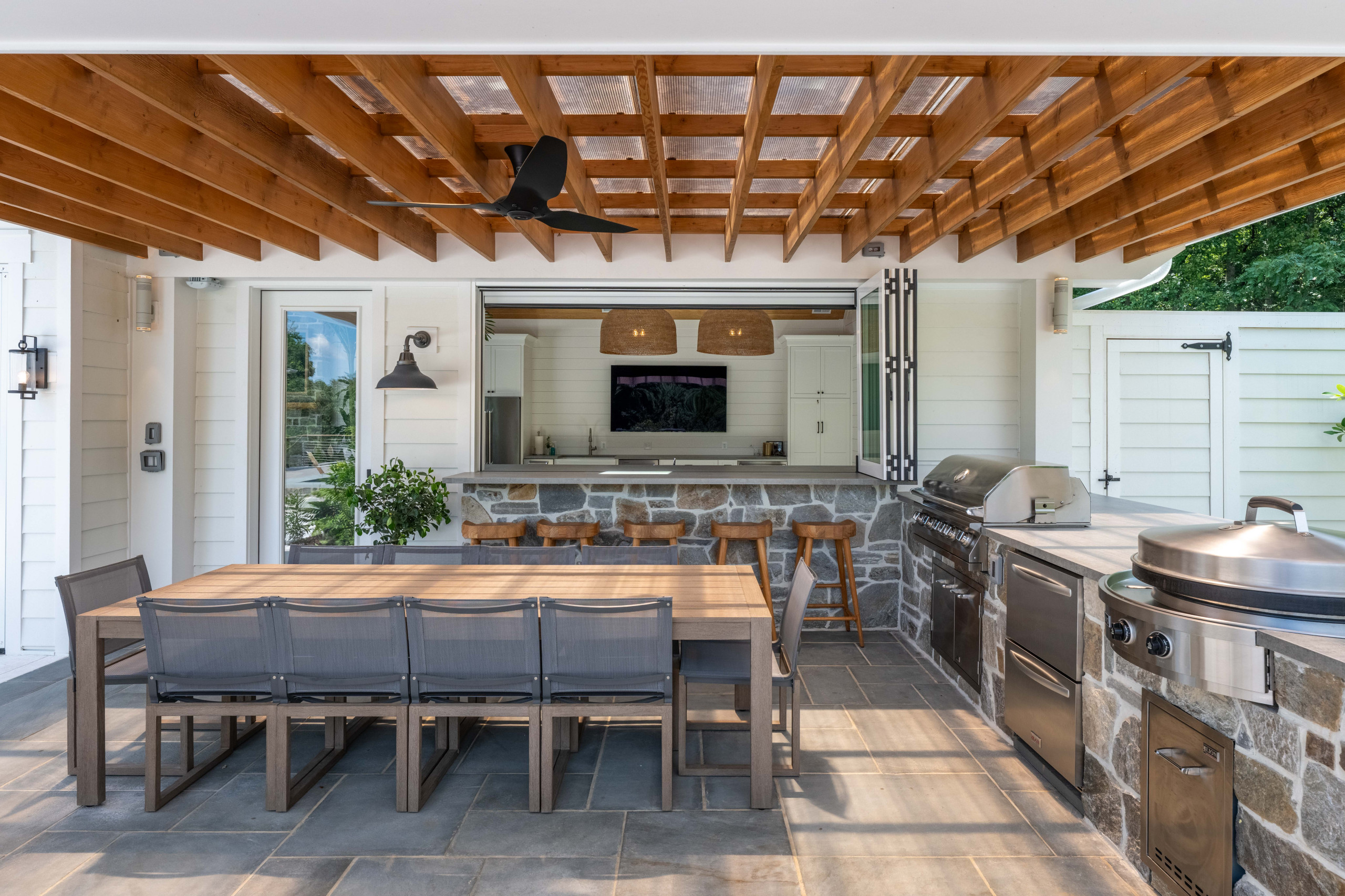
For a permanent solution, Kurdziolek often opts for a pergola or pavilion with a roof. “They open the door to a whole range of additional amenities, such as lounge seating areas, a fireplace with a TV, a built-in outdoor kitchen and bar counter seating, as well as built-in speakers and lighting, fans and bug screens,” he says.
To add protection from the sun and rain, Kurdziolek covered the rafters in the pavilion seen here with a slightly tinted UV-blocking roof that not only protects those underneath from the weather but also lowers the ambient temperature underneath it. An outdoor fan keeps the air circulating, while lights in the corner also double as speakers. A final touch is the wisteria planted on the pool deck, which is being trained to grow up toward the roof. “This plant will really become the star of the show and provide a one-of-a-kind look that only time and care can provide,” he says.
See more of this project
See why you should hire a professional who uses Houzz Pro software
To add protection from the sun and rain, Kurdziolek covered the rafters in the pavilion seen here with a slightly tinted UV-blocking roof that not only protects those underneath from the weather but also lowers the ambient temperature underneath it. An outdoor fan keeps the air circulating, while lights in the corner also double as speakers. A final touch is the wisteria planted on the pool deck, which is being trained to grow up toward the roof. “This plant will really become the star of the show and provide a one-of-a-kind look that only time and care can provide,” he says.
See more of this project
See why you should hire a professional who uses Houzz Pro software
7. Ari Tenenbaum, landscape architect
Revolution Landscape
Encinitas, California
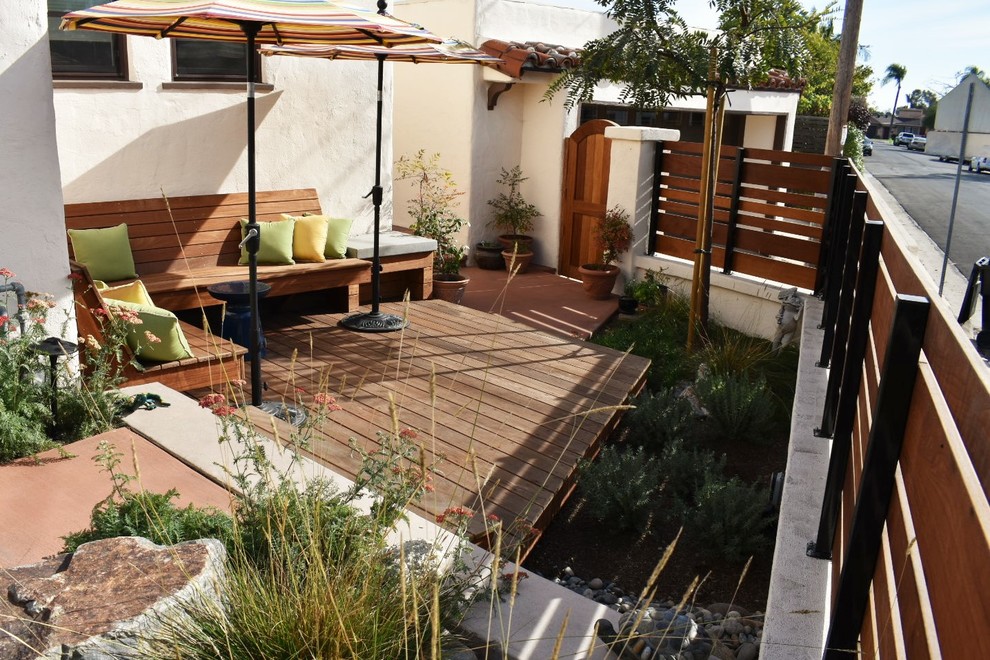
Ari Tenenbaum advises clients to first understand how sun and wind patterns affect both their yard and the interior of their homes before deciding on shade solutions. He also emphasizes considering whether shade is needed year-round or only seasonally. “People often rush to install or attach permanent fixtures, but sometimes that’s not the right call,” Tenenbaum says. “Umbrellas or sail shades may be a better choice, and even the most expensive ones cost less than custom structures.”
For the west-facing side yard shown here, umbrellas proved to be the ideal solution. “An attached structure would only provide shade for about half the time it was needed,” Tenenbaum says. The homeowners can adjust the umbrellas as necessary, including closing or removing them to let the winter sun warm the space.
See more of this project
Revolution Landscape
Encinitas, California
Ari Tenenbaum advises clients to first understand how sun and wind patterns affect both their yard and the interior of their homes before deciding on shade solutions. He also emphasizes considering whether shade is needed year-round or only seasonally. “People often rush to install or attach permanent fixtures, but sometimes that’s not the right call,” Tenenbaum says. “Umbrellas or sail shades may be a better choice, and even the most expensive ones cost less than custom structures.”
For the west-facing side yard shown here, umbrellas proved to be the ideal solution. “An attached structure would only provide shade for about half the time it was needed,” Tenenbaum says. The homeowners can adjust the umbrellas as necessary, including closing or removing them to let the winter sun warm the space.
See more of this project
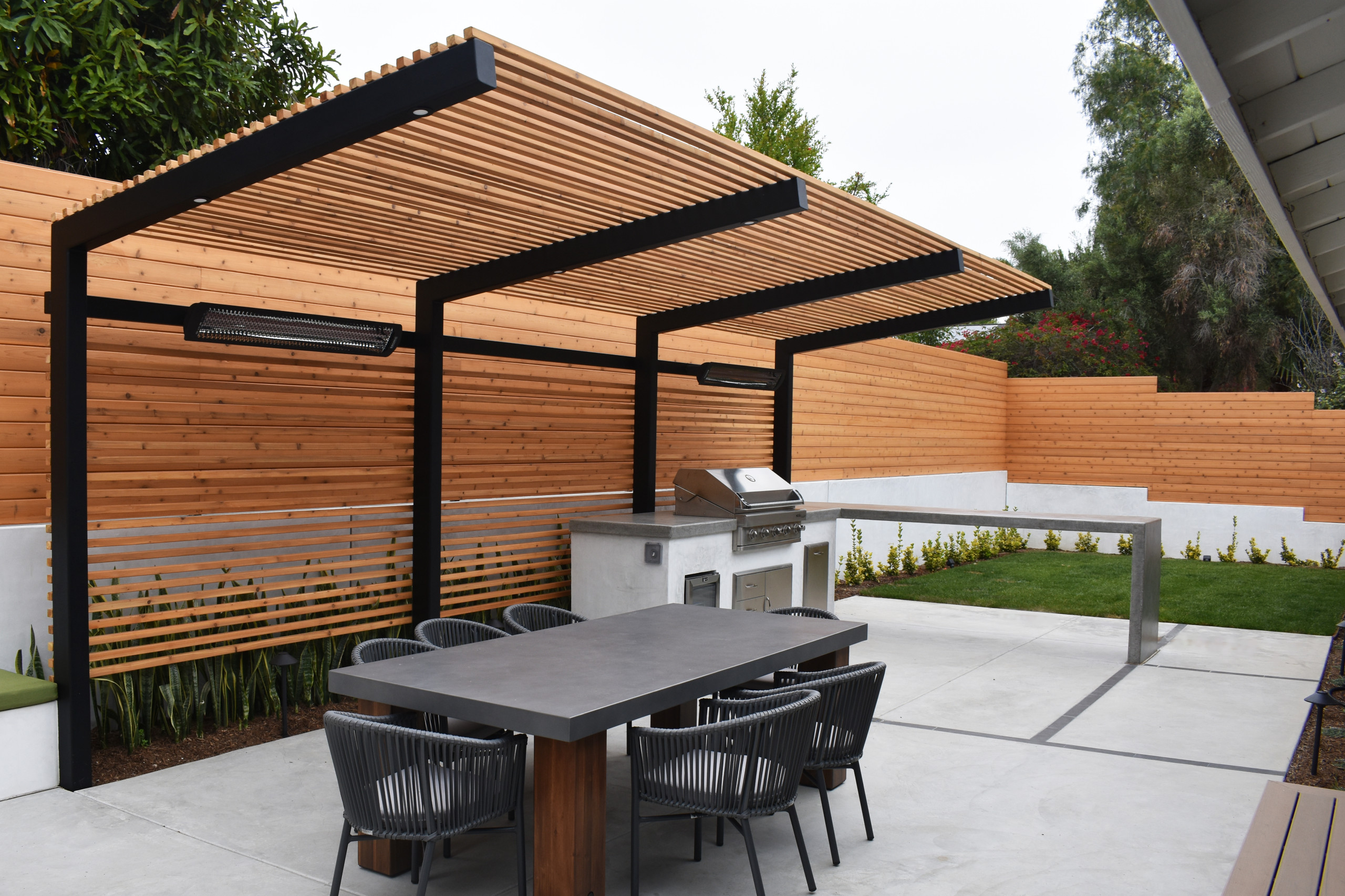
If you’re planning to add a permanent shade structure, Tenenbaum urges taking the time to explore different design options. This will allow you to choose a design that will provide the shade you want without overwhelming the yard. In the west-facing yard shown here, a pergola with four support posts would have blocked the view and dominated the space. Additionally, a flat roof wouldn’t have deflected the harsh afternoon sun. Instead, the cantilevered roof of this prefabricated structure effectively blocks the sun while keeping the area feeling open. As a bonus, Tenenbaum was able to incorporate lighting and heating into the design.
See more of this project
See more of this project
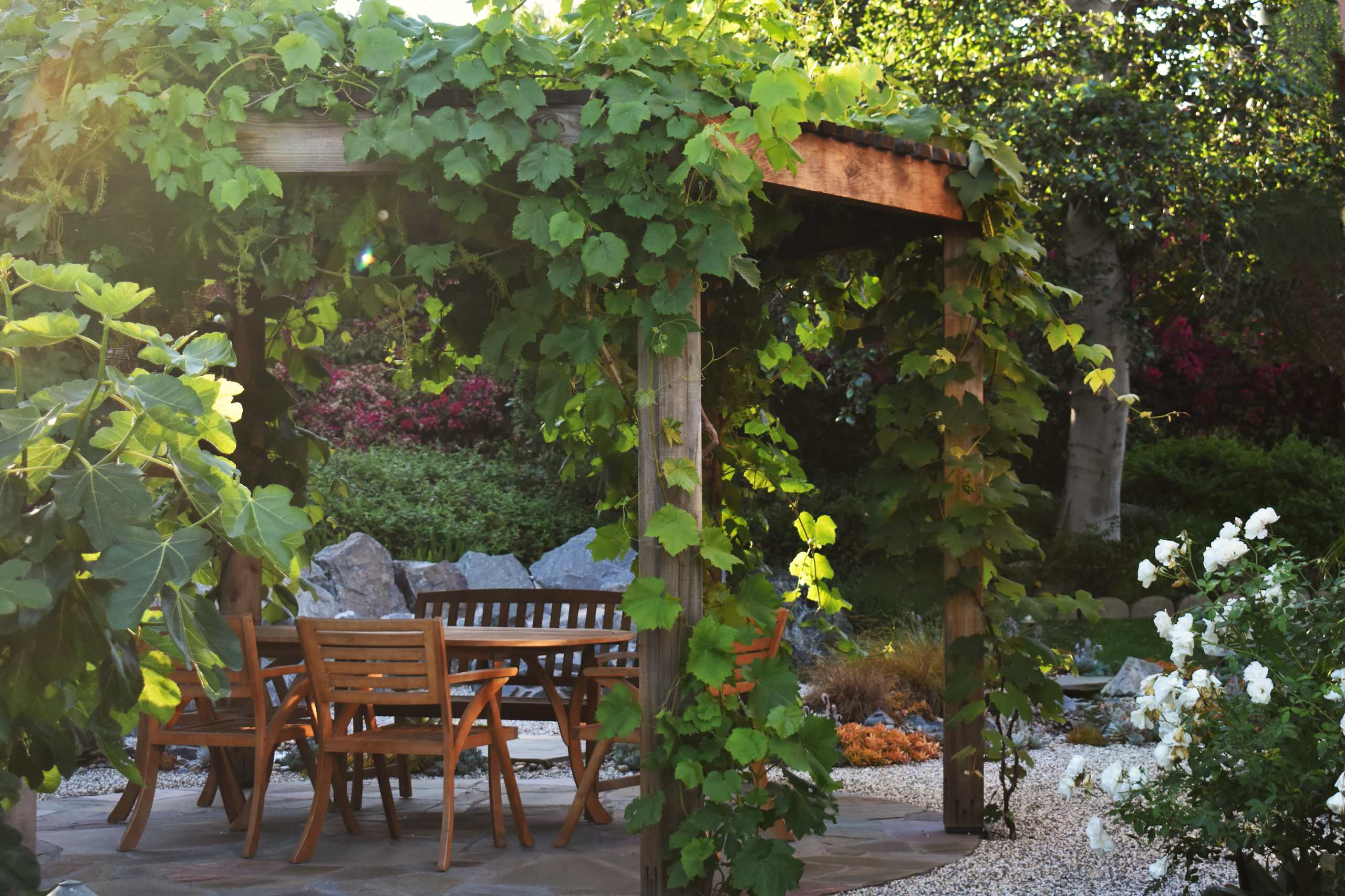
Tenenbaum says he also likes to add plants to a space when it makes sense and the homeowners are willing to take on the care and maintenance.
The pergola seen here was designed for a family that wanted to celebrate both their Italian heritage and their California locale. Tenenbaum installed a traditional Italian-inspired rustic pergola that’s perfect for relaxing and dining, then planted grapevines to grow up the sides. “The leaves provide dappled shade during the summer months and let the sun shine through in the winter,” he says.
See more of this project
4 Gardens With Spectacular Pergolas and Shade Structures
The pergola seen here was designed for a family that wanted to celebrate both their Italian heritage and their California locale. Tenenbaum installed a traditional Italian-inspired rustic pergola that’s perfect for relaxing and dining, then planted grapevines to grow up the sides. “The leaves provide dappled shade during the summer months and let the sun shine through in the winter,” he says.
See more of this project
4 Gardens With Spectacular Pergolas and Shade Structures
8. Julia Holbert and Hallie Schmidt, partners and landscape designers
Verde Fine Gardens
Santa Cruz, California
Julia Holbert advocates testing the waters before committing to a permanent shade structure. She recommends starting with a temporary cover — whether an umbrella, a shade sail or even a large piece of fabric — over the area where you plan to install a permanent structure. “You’ll see how it feels with the floor of the space, if the space feels too small or if the location is just weird,” she says.
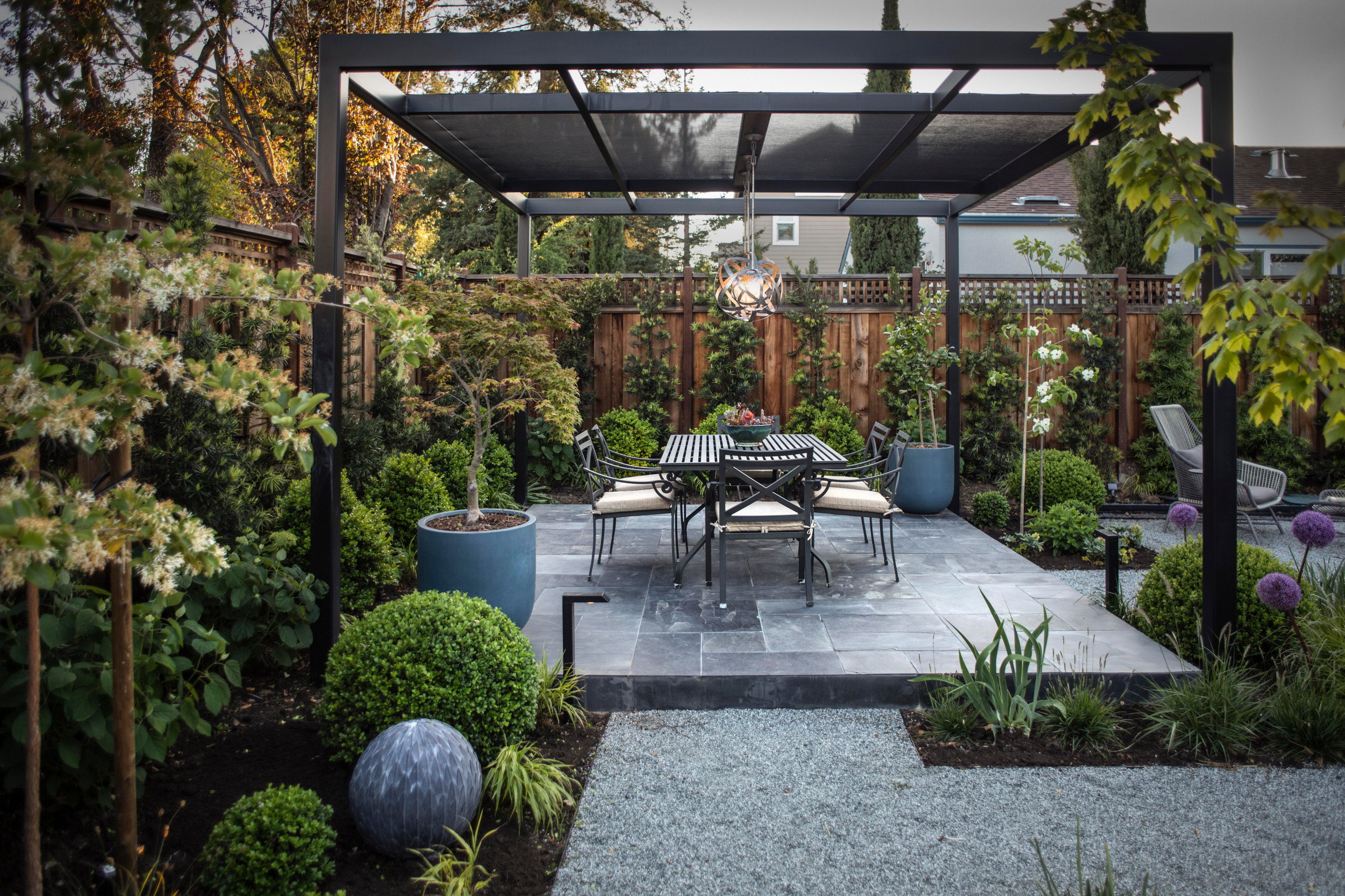
Schmidt also emphasizes taking the time to find the right permanent solution, even if it requires a bit of searching. After exploring prefabricated pergola options for a renovation of the yard seen here, the owners shared that the one they truly liked was a custom pergola that friends of theirs had installed. “We were able to get the plans to make one for them,” Schmidt says of the custom powder-coated pergola now shading the outdoor dining area. A finishing touch that makes the structure stand out is the metal screen overhead, which provides some shade while leaving the edges open to the sky.
See more of this project
Your turn: How have you brought shade to your landscape? Share with us in the Comments.
More on Houzz
Read more landscape stories
Get landscape design ideas
Find a landscape designer or architect
Verde Fine Gardens
Santa Cruz, California
Julia Holbert advocates testing the waters before committing to a permanent shade structure. She recommends starting with a temporary cover — whether an umbrella, a shade sail or even a large piece of fabric — over the area where you plan to install a permanent structure. “You’ll see how it feels with the floor of the space, if the space feels too small or if the location is just weird,” she says.
Schmidt also emphasizes taking the time to find the right permanent solution, even if it requires a bit of searching. After exploring prefabricated pergola options for a renovation of the yard seen here, the owners shared that the one they truly liked was a custom pergola that friends of theirs had installed. “We were able to get the plans to make one for them,” Schmidt says of the custom powder-coated pergola now shading the outdoor dining area. A finishing touch that makes the structure stand out is the metal screen overhead, which provides some shade while leaving the edges open to the sky.
See more of this project
Your turn: How have you brought shade to your landscape? Share with us in the Comments.
More on Houzz
Read more landscape stories
Get landscape design ideas
Find a landscape designer or architect

Sponsored

Alderwood Landscape Architecture and Construction
Bellevue, Washington
For a quick shade solution, Tim Zarra recommends adding a large umbrella or shade sail. “These create instant comfort,” he says. Both options are relatively affordable and can be highly effective, especially when paired with other sources of shade. At this home in Sammamish, Washington, for instance, the Alderwood team placed a large cantilever umbrella on the open patio. The umbrella can be adjusted to block the sun over the seating area, while the covered outdoor kitchen offers deeper shade.
Zarra cautions homeowners in wetter and snowier regions to be mindful of long-term wear on outdoor fabrics if umbrellas and shade sails are left outside year-round. “Mold spots and breakdown can become an issue for umbrellas and sails in wetter climates if not properly cared for,” he says.
See more of this project
Work with a local landscape designer or landscape architect