
Search results for "Expandable" in Home Design Ideas

 KCBR Design | Remodel
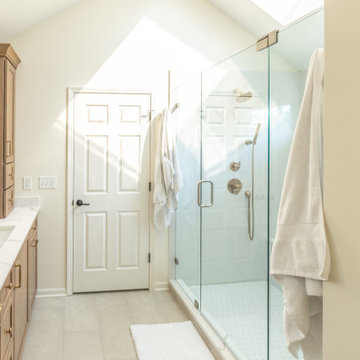
This Leawood, Kansas primary bathroom remodel was designed to support a growing family's changing needs while creating a more functional and timeless retreat. The existing layout was reimagined to improve daily routines, replacing an underutilized bathtub with a spacious walk-in shower featuring dual showerheads and a transom window that fills the space with natural light while maintaining privacy.
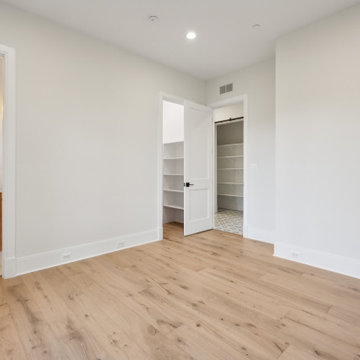
The renovation extended beyond the bathroom to enhance the adjoining closet. By reclaiming square footage from the former shower location, the design created additional storage and incorporated a dedicated washer and dryer for greater everyday convenience. Thoughtful planning and purposeful design decisions helped maximize functionality without sacrificing style.
Completed just before the homeowners welcomed their new baby, this remodel was designed to simplify daily life while providing a beautiful and enduring space that will serve the family for years to come.


Find the right local pro for your project


 Bell+Associates Architecture Inc.
This project showcases the transformation of a modest family cottage into a highly-functional, year-round waterfront retreat. Through a thoughtfully-designed addition and careful reorganization of interior space, the home now seamlessly combines the charm of its original structure with modern comforts and expanded living spaces, all while preserving views of the stunning riverfront setting.
Key Features:
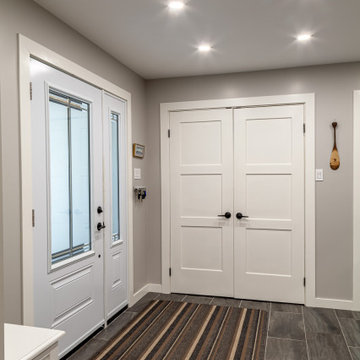
1. Expanded Entry and Primary Suite: The newly created entryway offers a spacious and functional welcome to the home, featuring a practical laundry room and ample storage space. The private primary bedroom suite, complete with a modern ensuite bathroom, provides a peaceful sanctuary.
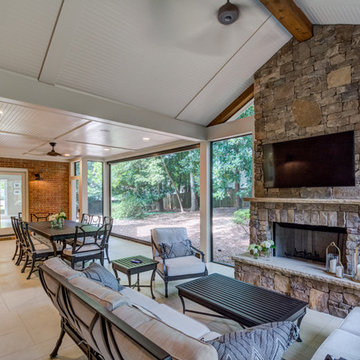
2. Sunroom for Year-Round Enjoyment: A light-filled sunroom extends the home’s outdoor living season by offering protection from the elements, allowing the family to enjoy the fresh air and scenic views throughout the year. The room features warm pine finishes on the walls and ceiling, with timber accents that complement the natural surroundings.
3. New River-Facing Deck: The large deck offers a perfect spot for family gatherings and relaxation, with unimpeded views of the water thanks to the use of a glass railing. Designed for both entertaining and quiet reflection, it’s a key feature that strengthens the connection between indoor and outdoor living.
4. Exterior Renovation: The exterior has been fully updated, blending the old cottage’s character with the new additions. A new roof and siding unify the entire structure, giving it a refreshed, cohesive.
5. Reconfigured Interior Spaces: The renovation reorganized key interior spaces, including the relocation of the basement stairs to allow for an expanded completely renovated kitchen and large, open eating area adjacent to the sunroom.
This successful renovation enhances both the functionality and aesthetic of the cottage, transforming it into a beautiful, all-season home that meets the evolving needs of its owners while maintaining a strong connection to the waterfront environment.

 Homeowner Services of Michigan LLC
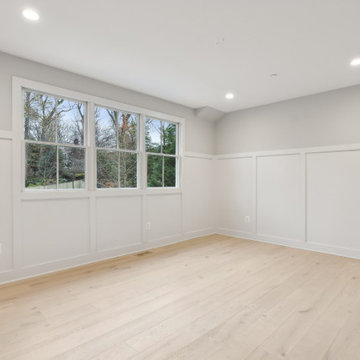
Homeowner Services of Michigan is thrilled to present our latest project: a stunning two-story home addition designed to elevate both functionality and aesthetics for our client. This comprehensive renovation includes a home gym, utility room, home office, and an expanded four seasons room, all crafted with meticulous attention to detail and quality.
Formally a three-season room, the homeowners loved this area of their home -spending most of their free time enjoying the scenic beauty of the rural Chelsea, Michigan landscape.
Home Gym and Utility Room:
The ground floor features a state-of-the-art home gym, providing a dedicated space for fitness and well-being. Adjacent to the gym is a spacious utility room, designed for maximum efficiency and convenience.
Home Office:
On the upper level, we've created a serene home office. This space is thoughtfully designed to foster productivity and comfort, offering a quiet retreat for work or study.
Expanded Four Seasons Room:
The centerpiece of this addition is the expanded four seasons room. With French doors, a vaulted ceiling, and custom windows, this space is bathed in natural light and offers breathtaking views of the outdoors. The room opens onto a new TREX composite deck, featuring the elegant Westbury aluminum railing system. This seamless transition between indoor and outdoor living spaces creates a perfect environment for relaxation and entertaining.
This two-story home addition by Homeowner Services of Michigan not only enhances the home's functionality but also significantly increases its aesthetic appeal and value. Each element of this project was executed with precision, ensuring a flawless integration with the existing structure and an exceptional living experience for our client.
Now, they can enjoy the vaulted ceilings and expansive view of this beautiful room all year.











 Polhemus Savery DaSilva
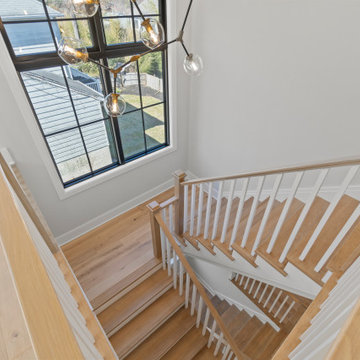
An existing Cape built in the 1980s was transformed through the addition of a wraparound front porch with robust but traditional columns, expanded second floor dormers, a new deck and screened-in porch facing the backyard, an expanded and open kitchen/breakfast/family room, a new mud room/laundry room/powder room suite, and a new bedroom suite in what had previously been attic space. The underlying Cape form still remains but is now expanded to have character, scale and presence befitting its rural seaside neighborhood of mostly large and elegant homes.
PSD Scope Of Work: Architecture, Construction |
Living Space: 3,197ft² |
Photography: Brian Vanden Brink |

 Homework Remodels
This is our kitchen before we opened walls and reconfigured the windows to accommodate a beautiful new open kitchen.
Large transitional single-wall open concept kitchen photo in Phoenix with granite countertops and an island
Large transitional single-wall open concept kitchen photo in Phoenix with granite countertops and an island



Sponsored
Columbus, OH

Hope Restoration & General Contracting
Columbus Design-Build, Kitchen & Bath Remodeling, Historic Renovations

 TCP Custom Outdoor Living
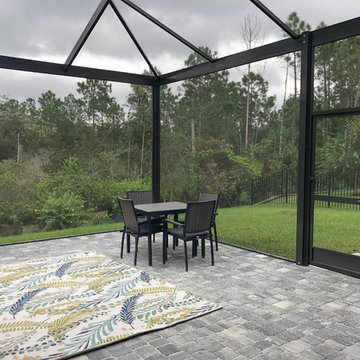
This home had a very large backyard and needed a total refresh. They were having a pool installed and wanted to also add an outdoor living room complete with a kitchen, fireplace and dining area.
The new covered patio is right at 765 SF and is attached to the garage and the back of the home – removing the long breezeway that was there. The space is split with the double-sided fireplace creating 2 separate areas. Both sides have room for lounging around by the fire. The larger side has the dining table and bar area. While the other side is the outdoor kitchen.
The outdoor kitchen is equipped with RCS appliances – a grill, fridge, doors and drawers for storage. The granite is Black Pearl from Daltile. All of the stone on the fascia of the kitchen, fireplace and half-column is Autumn Blend Chop thin veneers from Alamo Stone. The vaulted ceiling is West Coast IPA pre-stained tongue and groove by Woodtone. There is a Bromic heater installed for keeping the space nice and comfortable on chilly days and evenings. The outdoor living space is equipped with speakers in the ceiling.
This outdoor living area completely changed the backyard.


 John
JohnCoco coir is a versatile and sustainable growing medium that is gaining popularity among gardeners. Made from the fibrous husk of coconuts, it’s an eco-friendly alternative to peat moss and can greatly enhance the quality of your soil. In gardening, it is often utilized in systems like Coco Coir Hydroponic, where it helps create an efficient water and nutrient delivery system.
What is Coco Coir?
Coco coir is a natural fiber extracted from coconut husks. It has a neutral pH, excellent water retention, and is reusable, making it a favorite among gardeners who prefer organic and sustainable practices. It is available in different forms such as blocks, bricks, or loose coir, each requiring some preparation before use in gardening.
Benefits of Using Coco Coir in Gardening
Coco coir offers several advantages for gardening. Here are the benefits of using coco coir in gardening:
Holds up to 10 times its weight in water, ensuring plants have consistent moisture.
Promotes oxygen flow to plant roots, leading to healthier root systems.
Coco coir is a renewable and eco-friendly alternative to peat moss.
It can be washed, rehydrated, and reused, reducing waste.
Naturally pH neutral, making it suitable for various plants without major adjustments.
Enhances the texture and moisture retention of garden soil.
How to Prepare Coco Coir for Planting
Preparing coco coir for planting involves a few essential steps. First, you need to hydrate the coir block, as it typically comes in a compressed form. Place the block in a large container and add warm water, allowing the block to expand and absorb the water. Once fully expanded, the coir should be fluffed up by breaking it apart with your hands or a tool to ensure it becomes loose and airy. After the coir has been fluffed, it is important to drain any excess water, as overly wet coir can lead to root suffocation. Finally, since coco coir is inert and does not contain nutrients, it’s a good idea to add organic compost or liquid fertilizer to enrich the coir before planting.
Do You Need to Soak Coco Coir Before Planting?
Yes, soaking coco coir before planting is necessary. Since it comes in a compressed form, it needs to be broken down and hydrated for proper use. The soaking process allows the coir to expand and release the fibers, making it usable as a growing medium. After soaking, the coir should be fluffed to ensure the water is evenly distributed. Draining any excess water is crucial because overly wet coir may impede plant root health.
How to Prepare Coco Peat for Planting
Coco peat, a fine, powdery form of coco coir, is highly beneficial for seed starting and improving water retention in soil. To prepare coco peat, it first needs to be hydrated, similar to how you prepare coir blocks. Slowly add water to the peat in a container and allow it to absorb and fluff up. Once hydrated, coco peat can be used on its own or mixed with other growing media such as perlite or vermiculite for added aeration and drainage. It is advisable to check the pH level of your final mix, as coco peat generally has a neutral pH, but adjustments may be necessary depending on the plants being grown.
Can You Use Just Coco Coir for Plants?
Yes, coco coir can be used by itself to grow plants, especially in hydroponic systems or as a seed-starting medium. However, because coco coir does not naturally contain nutrients, you will need to provide regular fertilizer to support plant growth. This makes it particularly suitable for plants grown in controlled environments, such as hydroponics, where nutrient solutions can be carefully managed. In traditional soil-based gardening, mixing coco coir with other organic materials like compost is recommended to provide essential nutrients and improve the overall soil structure.
How to Use Coco Coir in Hydroponics
Coco coir is widely used in hydroponic systems due to its water retention and aeration properties. To use coco coir in hydroponics, it first needs to be soaked and hydrated, as discussed earlier. Once the coir is fully prepared, it can be placed in the hydroponic system. Since coco coir does not contain natural nutrients, you will need to supply a balanced nutrient solution tailored for hydroponic plants. Regular monitoring of water and nutrient levels is essential to prevent nutrient imbalances or root rot. One of the benefits of coco coir in hydroponics is its reusability. After completing a growing cycle, the coir can be washed, rehydrated, and used again in future plantings.
Using Coco Coir as a Soil Amendment
Coco coir is also an excellent soil amendment, as it improves the texture and moisture retention of garden soil. To use coco coir in this way, mix loose coir with your existing garden soil at a ratio of one part coco coir to two parts soil. This will help retain moisture without compacting the soil, improving both water drainage and root growth. For optimal results, you can also add organic compost to the mix, ensuring that the nutrient levels are sufficient for plant growth. Coco coir works particularly well in raised beds, where it helps maintain proper soil structure over time.
Advantages of Using Coco Coir Over Peat Moss
While peat moss has been traditionally used as a growing medium, coco coir offers several advantages over it. Coco coir is a renewable resource, as it is a byproduct of coconut processing, while peat moss is harvested from peat bogs that take centuries to regenerate. Coco coir is also more durable, as it can be reused multiple times without breaking down, while peat moss disintegrates after a single use. Another key benefit is its neutral pH, whereas peat moss is more acidic and may require balancing to meet the needs of specific plants.
Conclusion
Coco coir is a highly versatile and sustainable growing medium that benefits both novice and experienced gardeners alike. Whether you are using it for hydroponics, as a soil amendment, or as a standalone medium for growing plants, knowing how to properly prepare and use it is key to maximizing its benefits. By following the steps detailed above, you can improve water retention, aeration, and overall plant health in your garden, all while contributing to eco-friendly gardening practices.
124