
Search results for "Growing plants" in Home Design Ideas
 Earth & Spirit
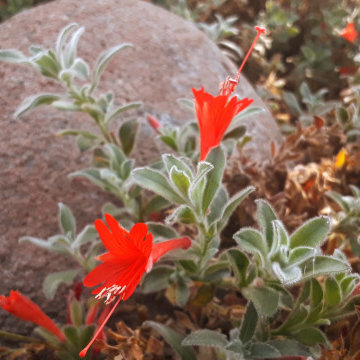
California fuchsias are sprawling, low-growing groundcovers that are highly attractive to hummingbirds. These ultra-drought-tolerant plants, with bright red-orange blooms, are an important source of nectar late into the year.


Find the right local pro for your project

 Deck and Patio Company "Outdoor Living Experts"
Rosehips come from plants also known as Autumn Wild Rose. They can enhance any autumn landscape. Note: Since they can take three years to grow from seeds, you’ll probably want to transplant a grown bush. This is done during the dormant season — sometime between November through February.
This beautiful plant is a wildflower with bright red fruit hips that ripen in fall — and stay around through winter. The rose hips grow as the petals of the summer flowers drop off. These hips contain the seeds of the rose. Prune the bushes down to the ground in winter and then wait. When the temperature warms again in spring, they begin to regrow. By summer, you have wild roses, and in fall, you get the rose hips again.
www.deckandpatio.com

 Regenesis Ecological Design
Large Cedar trees shade a private garden. Rhododendrons bloom in the foreground against a horizontal Cedar slat fence.
Photo Credit: annacaitlinphotography.com

 Krugel Cobbles, Inc.
Photos by Linda Oyama Bryan
Inspiration for a large modern backyard concrete paver patio remodel in Chicago with no cover
Inspiration for a large modern backyard concrete paver patio remodel in Chicago with no cover

 Mayita Dinos Garden Design
mayitadinosphotography.com
The plants along this stairway feature plants from different mediterranean climates.
On either side of the bench there are wonderful plants that add texture and leafy fragrance- to the right is Helichrysum 'Limelight', and to the left is a peppermint scented Pelargonium. On the far right of the photo is a baby California native redbud, which will grow into a small tree. It will shade the bench in the summer time, and produce lots of fuchsia colored flowers in the spring.
mayitadinosphotography.com

Sponsored
Columbus, OH
Free consultation for landscape design!

Peabody Landscape Group
Franklin County's Reliable Landscape Design & Contracting

 River Road Farms
Imagine walking outside your home and pulling fresh fruit off the stem. Espalier fruit trees are like having an orchard in your own yard. Plus, in addition to producing delicious fruit, the ornamental shapes have a high wow-factor and require a small footprint. Fruiting espalier trees are available from River Road Farms in a variety of designs. Please call 800-297-1435 or email RIVERRD@USIT.NET for availability.



 Earth Design, Inc.
This homeowner was struggling with tree roots in the lawn, dying trees, grass that wouldn't grow, lack of circulation around the house, creek stabilization in the backyard, and now outdoor living spaces.

 ornamental land design
A detailed view of creekside rocks adorned with native plants, some blooming with vibrant purple flowers. The plants growing directly on and around the existing rocks help stabilize the soil while enhancing the natural beauty and ecological health of the creekside environment.

 Taos Landscaping
Inspiration for a large southwestern drought-tolerant and partial sun front yard stone landscaping in Albuquerque.



Sponsored
Columbus, OH

Wannemacher Interiors
Customized Award-Winning Interior Design Solutions in Franklin Cnty OH

 ershworks
Image of bluestone paver pathway, dwarf mondo grass and moundy grass plantings and allium surrounded by decomposed granite gravel.
photo credit: ashley thorner

 CaliScape Landscape Services
Succulents are an easy low maintenance way to spruce up your outdoor, or indoor, spaces. These plants require very low water usage making them a perfect plant for the southwestern United States, or for the plant lover who is constantly forgetting their watering can.


 Steve Masley Consulting and Design
'Carmello' tomato grown organically in a 15-gallon terra-cotta pot, week 3. Stems are thickening, tomatoes forming on bottom truss, second truss flowering. Photo by Steve Masley

Sponsored
Sunbury, OH

J.Holderby - Renovations
Franklin County's Leading General Contractors - 2X Best of Houzz!


 John
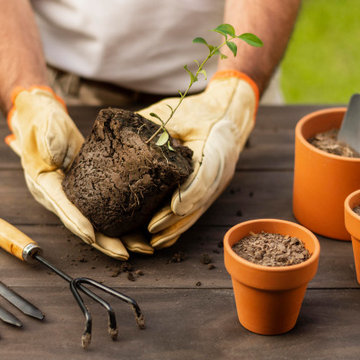
Coco coir is a versatile and sustainable growing medium that is gaining popularity among gardeners. Made from the fibrous husk of coconuts, it’s an eco-friendly alternative to peat moss and can greatly enhance the quality of your soil. In gardening, it is often utilized in systems like Coco Coir Hydroponic, where it helps create an efficient water and nutrient delivery system.
What is Coco Coir?
Coco coir is a natural fiber extracted from coconut husks. It has a neutral pH, excellent water retention, and is reusable, making it a favorite among gardeners who prefer organic and sustainable practices. It is available in different forms such as blocks, bricks, or loose coir, each requiring some preparation before use in gardening.
Benefits of Using Coco Coir in Gardening
Coco coir offers several advantages for gardening. Here are the benefits of using coco coir in gardening:
Holds up to 10 times its weight in water, ensuring plants have consistent moisture.
Promotes oxygen flow to plant roots, leading to healthier root systems.
Coco coir is a renewable and eco-friendly alternative to peat moss.
It can be washed, rehydrated, and reused, reducing waste.
Naturally pH neutral, making it suitable for various plants without major adjustments.
Enhances the texture and moisture retention of garden soil.
How to Prepare Coco Coir for Planting
Preparing coco coir for planting involves a few essential steps. First, you need to hydrate the coir block, as it typically comes in a compressed form. Place the block in a large container and add warm water, allowing the block to expand and absorb the water. Once fully expanded, the coir should be fluffed up by breaking it apart with your hands or a tool to ensure it becomes loose and airy. After the coir has been fluffed, it is important to drain any excess water, as overly wet coir can lead to root suffocation. Finally, since coco coir is inert and does not contain nutrients, it’s a good idea to add organic compost or liquid fertilizer to enrich the coir before planting.
Do You Need to Soak Coco Coir Before Planting?
Yes, soaking coco coir before planting is necessary. Since it comes in a compressed form, it needs to be broken down and hydrated for proper use. The soaking process allows the coir to expand and release the fibers, making it usable as a growing medium. After soaking, the coir should be fluffed to ensure the water is evenly distributed. Draining any excess water is crucial because overly wet coir may impede plant root health.
How to Prepare Coco Peat for Planting
Coco peat, a fine, powdery form of coco coir, is highly beneficial for seed starting and improving water retention in soil. To prepare coco peat, it first needs to be hydrated, similar to how you prepare coir blocks. Slowly add water to the peat in a container and allow it to absorb and fluff up. Once hydrated, coco peat can be used on its own or mixed with other growing media such as perlite or vermiculite for added aeration and drainage. It is advisable to check the pH level of your final mix, as coco peat generally has a neutral pH, but adjustments may be necessary depending on the plants being grown.
Can You Use Just Coco Coir for Plants?
Yes, coco coir can be used by itself to grow plants, especially in hydroponic systems or as a seed-starting medium. However, because coco coir does not naturally contain nutrients, you will need to provide regular fertilizer to support plant growth. This makes it particularly suitable for plants grown in controlled environments, such as hydroponics, where nutrient solutions can be carefully managed. In traditional soil-based gardening, mixing coco coir with other organic materials like compost is recommended to provide essential nutrients and improve the overall soil structure.
How to Use Coco Coir in Hydroponics
Coco coir is widely used in hydroponic systems due to its water retention and aeration properties. To use coco coir in hydroponics, it first needs to be soaked and hydrated, as discussed earlier. Once the coir is fully prepared, it can be placed in the hydroponic system. Since coco coir does not contain natural nutrients, you will need to supply a balanced nutrient solution tailored for hydroponic plants. Regular monitoring of water and nutrient levels is essential to prevent nutrient imbalances or root rot. One of the benefits of coco coir in hydroponics is its reusability. After completing a growing cycle, the coir can be washed, rehydrated, and used again in future plantings.
Using Coco Coir as a Soil Amendment
Coco coir is also an excellent soil amendment, as it improves the texture and moisture retention of garden soil. To use coco coir in this way, mix loose coir with your existing garden soil at a ratio of one part coco coir to two parts soil. This will help retain moisture without compacting the soil, improving both water drainage and root growth. For optimal results, you can also add organic compost to the mix, ensuring that the nutrient levels are sufficient for plant growth. Coco coir works particularly well in raised beds, where it helps maintain proper soil structure over time.
Advantages of Using Coco Coir Over Peat Moss
While peat moss has been traditionally used as a growing medium, coco coir offers several advantages over it. Coco coir is a renewable resource, as it is a byproduct of coconut processing, while peat moss is harvested from peat bogs that take centuries to regenerate. Coco coir is also more durable, as it can be reused multiple times without breaking down, while peat moss disintegrates after a single use. Another key benefit is its neutral pH, whereas peat moss is more acidic and may require balancing to meet the needs of specific plants.
Conclusion
Coco coir is a highly versatile and sustainable growing medium that benefits both novice and experienced gardeners alike. Whether you are using it for hydroponics, as a soil amendment, or as a standalone medium for growing plants, knowing how to properly prepare and use it is key to maximizing its benefits. By following the steps detailed above, you can improve water retention, aeration, and overall plant health in your garden, all while contributing to eco-friendly gardening practices.

 Soorikian Architecture
Mudroom off of garage in carriage house. This space connects to main house via a covered connector
Photo by Jeff Herr
Inspiration for a coastal dark wood floor and brown floor mudroom remodel in Atlanta with white walls and a glass front door
Inspiration for a coastal dark wood floor and brown floor mudroom remodel in Atlanta with white walls and a glass front door
213