

wiring light behind walls
19 years ago
Sort by:Oldest
Comments (8)
Related Stories
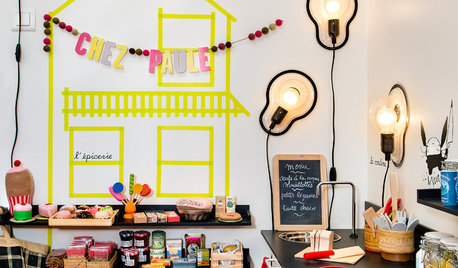
LIGHTING10 Ways With Wall Lights That Don’t Need to Be Wired In
Learn how to add illumination to your home without carving into the walls
Full Story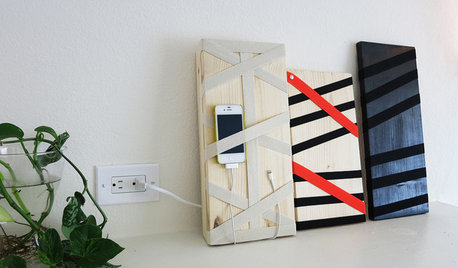
DIY PROJECTSHide All Those Wires in a DIY Charging Station
Keep your gadgets handy and charged with a flexible storage board you can design yourself
Full Story
ACCESSORIESHow to Hide Those Messy Wires
Untangle Yourself From Ugly Electrical Cords With a Few Tricks and Accessories
Full Story
MORE ROOMSHome Tech: Getting Rid of Wires Without Sacrificing Sound
Wireless home technology still isn't perfect, but new products are giving audiophiles choices
Full Story
GREAT HOME PROJECTSHow to Create a Secret Doorway Behind a Bookcase
Hide your valuables (or unsightly necessities) in a room or nook that no one will guess is there
Full Story
PRODUCT PICKSGuest Picks: Wonderful Wire
Use the strength and versatility of modern and vintage wirework to bring creativity to your home
Full Story
TASTEMAKERSSet Design: Behind-the-Scenes Look at ‘Love the Coopers’
Production designer Beth Rubino talks about creating the family home for the new movie — and the home in ‘Something’s Gotta Give’
Full Story
TASTEMAKERSTake a Behind-the-Scenes Tour of Netflix’s ‘Grace and Frankie’
Set decorator Beauchamp Fontaine explains the design decisions behind the home sets featured in the new Netflix series
Full Story
LIVING ROOMSRoom of the Day: A Chicago Living Room Puts Boyishness Behind
Dark curtains and lots of leather give way to a more sophisticated take on the bachelor pad
Full StorySponsored

Columbus Design-Build, Kitchen & Bath Remodeling, Historic Renovations

bigbird_1
brickeyee
Related Professionals
Pine Bluff General Contractors · Moline General Contractors · Leominster General Contractors · Bemidji General Contractors · Saint Cloud General Contractors · Burlington Home Remodeling · Los Angeles Home Remodeling · Idaho Falls Home Remodeling · Vancouver Home Remodeling · Pittsburg Bathroom Remodelers · Hartford Bathroom Remodelers · New London Bathroom Remodelers · South Bend Bathroom Remodelers · Pullman Bathroom Remodelers · Cowansville Bathroom Remodelersbigbird_1
mainelystuckOriginal Author
brickeyee
bigbird_1
brickeyee
dickross