

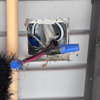
hard wired cooktop safe removal
19 years ago
Sort by:Oldest
Comments (9)
Related Stories
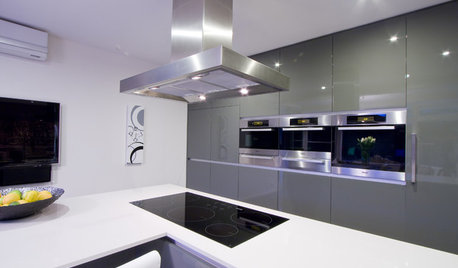
KITCHEN APPLIANCESFind the Right Cooktop for Your Kitchen
For a kitchen setup with sizzle, deciding between gas and electric is only the first hurdle. This guide can help
Full Story
PETSThe Crate Conundrum: A Safe Place for Your Pooch
Get ideas for a comfy den for your dog that works well with your space too
Full Story
KITCHEN DESIGNChef's Kitchen Works Hard Yet Stays Pretty
A butler's pantry complete with refrigerator and dishwasher helps a restaurateur contain the mess when cooking and entertaining at home
Full Story
HOUSEKEEPING12 Steps to a Safe, Cozy Home for a New Year
From smoke detectors to furnace filters, let January 1 be a reminder of some must-dos around the house
Full Story
PETSPet-Proofing Your Home: A Room-by-Room Guide
Not all pet dangers are obvious. Keep furry friends safe and sound by handling all of these potential hazards
Full Story
UNIVERSAL DESIGN12 Must-Haves for Aging in Place
Design a home that will continue to be accessible, safe and stylish as the years go by
Full Story
HOUSEKEEPINGHow to Clean Your Range and Oven
Experts serve up advice on caring for these kitchen appliances, which work extra hard during the holidays
Full Story
KITCHEN DESIGN16 Practical Ideas to Borrow From Professional Kitchens
Restaurant kitchens are designed to function efficiently and safely. Why not adopt some of their tricks in your own home?
Full Story
LIFEHow to Outsmart Backyard Critters
Learn to think like a raccoon, skunk or squirrel to keep your home safe and your garden intact
Full Story
KITCHEN DESIGN10 Ways to Design a Kitchen for Aging in Place
Design choices that prevent stooping, reaching and falling help keep the space safe and accessible as you get older
Full Story
DavidR
kurtmcmouthOriginal Author
Related Professionals
Tuscaloosa General Contractors · Galveston General Contractors · Bangor General Contractors · Utica General Contractors · Merced General Contractors · Rapid City General Contractors · Lake City Home Remodeling · Lafayette Home Remodeling · Lawton Home Remodeling · Oshkosh Home Remodeling · Merced Home Remodeling · Provo Home Remodeling · Casper Home Remodeling · Chillicothe Bathroom Remodelers · Superior Bathroom RemodelersDavidR
User
kurtmcmouthOriginal Author
kurtmcmouthOriginal Author
hendricus
kurtmcmouthOriginal Author
joed