

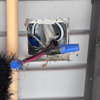
Using volt ohm meter for testing live wires.
14 years ago
Sort by:Oldest
Comments (13)
Related Stories

HISTORIC HOMESHouzz Tour: Meet the Schoolhouse Saved By ‘The Birds’
Once featured in Hitchcock’s feathery film, this schoolhouse has stood the test of time
Full Story
HEALTHY HOMEWhat's the Deal With Radon?
Get the facts on testing for this cancer-causing gas — and how to make your home safe if it shows up
Full Story
DECORATING GUIDESRoom of the Day: Redesign Energizes a Ho-Hum Office and Living Space
A couple find common ground in their combined office and living room decorated on a budget
Full Story
LIGHTINGA Beginner’s Guide to Lighting in Layers
Discover the secrets of combining light sources to create richer-looking and more flexible living spaces
Full Story
LIGHTINGHow to Choose the Right Solar Lights
Learn about different types of outdoor solar lights, where to use them and why you might want to avoid the bargain bin
Full Story
ECLECTIC HOMESMy Houzz: Stylish City Living, Toddler Included
Natural fabrics and nontoxic furniture make for a home that’s as beautiful as it is family friendly
Full Story
MOST POPULARWhat to Know About Adding a Deck
Want to increase your living space outside? Learn the requirements, costs and other considerations for building a deck
Full Story
KITCHEN CABINETS9 Ways to Configure Your Cabinets for Comfort
Make your kitchen cabinets a joy to use with these ideas for depth, height and door style — or no door at all
Full Story
MOST POPULARHouzz Tour: Easygoing and Elegant in White, Cream and Gray
The renovation of an 1860s Massachusetts home creates a sophisticated, serene and comfortable living space
Full Story
MOST POPULARHow to Add a Backyard Shed for Storage or Living
Need a home office, a playspace or extra room for your stuff? Learn about off-the-shelf, prefab and custom sheds
Full Story
bus_driver
brickeyee
Related Professionals
Little Rock General Contractors · Salina General Contractors · Florence General Contractors · Vineland General Contractors · Columbus General Contractors · Spartanburg General Contractors · Poughkeepsie General Contractors · Akron General Contractors · Athens Home Remodeling · New London Home Remodeling · Washington Bathroom Remodelers · Louisville Bathroom Remodelers · Houma Bathroom Remodelers · Tulsa Bathroom Remodelers · Ogden Bathroom Remodelersalan_s_thefirst
brickeyee
pcthompsonOriginal Author
bus_driver
mike_kaiser_gw
brickeyee
alan_s_thefirst
brickeyee
mike_kaiser_gw
alan_s_thefirst
brickeyee