

10/3 Romex with Conduit
13 years ago
Sort by:Oldest
Comments (4)
Related Stories
CONTRACTOR TIPSContractor Tips: 10 Home Areas That Likely Need a Pro
Safety, less cost and better aesthetics on a home improvement project may rest in the hands of an expert
Full Story
BATHROOM STORAGE10 Design Moves From Tricked-Out Bathrooms
Cool splurges: Get ideas for a bathroom upgrade from these clever bathroom cabinet additions
Full Story
REMODELING GUIDESFinish Your Remodel Right: 10 Tasks to Check Off
Nail down these key details to ensure that everything works properly and you’re all set for the future
Full Story
DECORATING STYLES10 Ways to Get the Modern Rustic Farmhouse Look
Warm and collected, modern rustic farmhouses brim with casual, lived-in charm
Full Story
GARDENING AND LANDSCAPINGInterview: Secrets to a Stunning Outdoor Room
Designer Sandy Koepke Shares Her Tricks for Mastering Outdoor Living Spaces
Full Story
GREEN BUILDINGHouzz Tour: Going Completely Off the Grid in Nova Scotia
Powered by sunshine and built with salvaged materials, this Canadian home is an experiment for green building practices
Full Story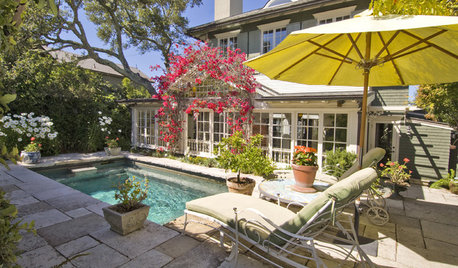
POOLS8 Ideas for Petite Pools
Modest in size but big on looks and function, pools like these offer a private swim space without requiring lots of room
Full Story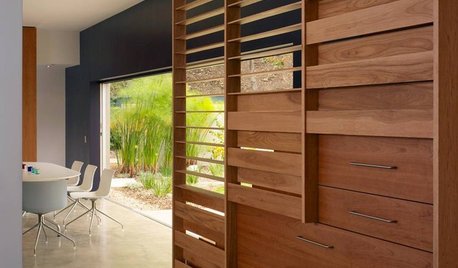
ARCHITECTURETouches of Cozy for Open-Plan Designs
Sometimes an open floor plan is just a little too open. Here’s how to soften it with built-ins, inventive screens and decor
Full Story
EDIBLE GARDENSSummer Crops: How to Grow Tomatoes
Plant tomato seedlings in spring for one of the best tastes of summer, fresh from your backyard
Full Story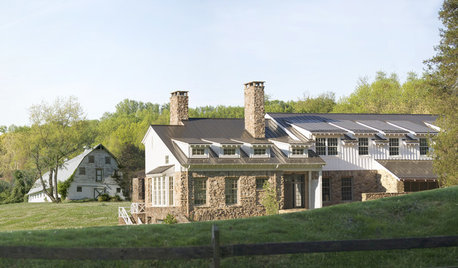
FARMHOUSESHouzz Tour: An Old Barn Inspires a Gracious New Home
Graceful and elegant, this spacious home in the Virginia countryside takes farmhouse style up a notch
Full Story

Ron Natalie
btharmy
Related Professionals
Clarksdale General Contractors · Richmond General Contractors · Cedar Rapids General Contractors · Davenport General Contractors · Taunton General Contractors · Las Vegas General Contractors · Annapolis Home Remodeling · Galveston Home Remodeling · Newport Home Remodeling · Hudson Home Remodeling · Las Cruces Home Remodeling · Wilmington Bathroom Remodelers · Evansville Bathroom Remodelers · Manhattan Bathroom Remodelers · Westerly Bathroom Remodelersitsunclebill
abc