

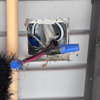
Outdoor wiring short
15 years ago
Sort by:Oldest
Comments (6)
Related Stories
PRODUCT PICKSGuest Picks: Wonderful Wire
Use the strength and versatility of modern and vintage wirework to bring creativity to your home
Full Story
DECORATING GUIDESFlea Market Finds: Wire Baskets
Turn Rustic-Industrial Pieces Into Chandelier, Pendant or Mobile Centerpiece
Full Story
MOVING5 Risks in Buying a Short-Sale Home — and How to Handle Them
Don’t let the lure of a great deal blind you to the hidden costs and issues in snagging a short-sale property
Full Story
Extend Window Design Solutions With Short Curtain Rods
Full-length curtain rods too bulky for your room? Opt for the abridged version instead
Full Story
DECORATING GUIDESImproving a Rental: Great Ideas for the Short and Long Haul
Don't settle for bland or blech just because you rent. Make your home feel more like you with these improvements from minor to major
Full Story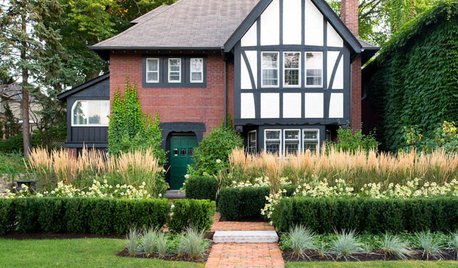
LANDSCAPE DESIGNHow Low Can Hedges Go? Discover Unusual Garden Borders
Short enough to step over, high enough to be a stretch ... check out these radically different hedge styles and tell us your opinion
Full Story
LIFE10 Best Ways to Get Organized for a Big Move
Make your next move smooth, short and sweet with these tips for preparing, organizing and packing
Full Story
REMODELING GUIDESContractor Tips: 5 Easy Ways to Get a Greener Home
Forget a fleet of solar panels (for now). These ideas can make your home a whole lot greener when money or time is in short supply
Full Story
GARDENING AND LANDSCAPINGAlmost Invisible Outdoor Furniture Lets Views Star
No less stylish for all its modesty, barely there furniture for gardens, patios and decks is designed to offer a clear view of the landscape
Full Story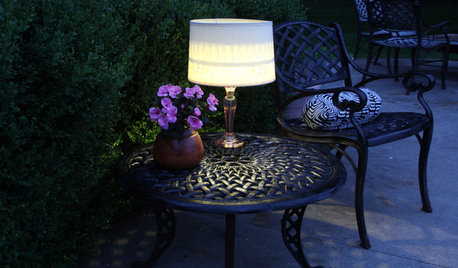
DIY PROJECTSLight Up Your Night With an Easy Outdoor Table Lamp
Hit up Goodwill and the hardware store to make this lamp for a deck or poolside patio in minutes
Full StorySponsored

Leading Interior Designers in Columbus, Ohio & Ponte Vedra, Florida
randy427
hendricus
Related Professionals
Florence General Contractors · Gloucester General Contractors · Oshkosh General Contractors · Boise General Contractors · Tallahassee Home Remodeling · Jamestown Home Remodeling · Keene Home Remodeling · Bennington Home Remodeling · Santa Barbara Home Remodeling · Santa Rosa Home Remodeling · Paducah Bathroom Remodelers · Concord Bathroom Remodelers · South Bend Bathroom Remodelers · Saint Cloud Bathroom Remodelers · Superior Bathroom RemodelersDBVogtOriginal Author
brickeyee
jmorrow
jmorrow