

Strange voltmeter readings
10 years ago
Sort by:Oldest
Comments (4)
Related Stories

DECORATING GUIDESStrange but True Parallels Between Early Western and Old Japanese Style
Part 1 of our 'wabi-sabi' series: in which Shaker and Arts and Crafts designs reveal simplicity, modesty and integrity
Full Story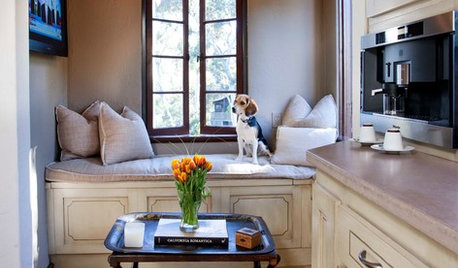
FEEL-GOOD HOME15 Cozy Book Nooks and What They Want You to Read
Put the beach reads away; these comfy spaces are creating a fall reading list. What books do they suggest to you?
Full Story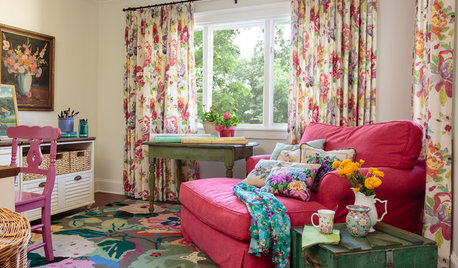
LIFEWhat You’re Reading This Summer — and Where
Check out Houzzers’ summer reading lists and get some ideas for your own!
Full Story

BEDROOMSRoom of the Day: An Island Bed Makes Way for a Reading Niche
This designer’s bedroom wasn’t working until she set the bed adrift
Full Story
REMODELING GUIDESHow to Read a Floor Plan
If a floor plan's myriad lines and arcs have you seeing spots, this easy-to-understand guide is right up your alley
Full Story
HOME INNOVATIONSConsidering Renting to Vacationers? Read This First
More people are redesigning their homes for the short-term-rental boom. Here are 3 examples — and what to consider before joining in
Full Story
KITCHEN APPLIANCESConsidering a New Kitchen Gadget? Read This First
Save money, time and space by learning to separate the helpers from the hassles
Full Story
LIFE21 Things Only People Living With Kids Will Understand
Strange smells, crowded beds, ruined furniture — here’s what cohabiting with little monsters really feels like
Full Story
MOVINGMaking a Home Away From Home
Feeling like a stranger in a strange land? These tips can help ease the transition after a big move
Full Story

jemdandy
alanwolfOriginal Author
Related Professionals
Valdosta General Contractors · San Angelo General Contractors · Frisco Home Remodeling · Houston Home Remodeling · Stamford Home Remodeling · Binghamton Home Remodeling · Huron Home Remodeling · Coos Bay Home Remodeling · Tacoma Home Remodeling · Sarnia Home Remodeling · Washington Bathroom Remodelers · Concord Bathroom Remodelers · Columbia Bathroom Remodelers · Austin Bathroom Remodelers · Georgetown Bathroom Remodelersjemdandy
alanwolfOriginal Author